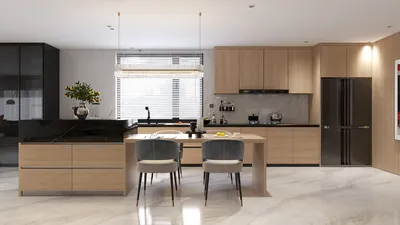


Designing a compact home emphasizes precision rather than compromise. My approach centers around sightlines, airflow, and multifunctional areas to create environments that feel spacious, function effectively, and adapt to life’s transitions. Numerous studies, including findings from Steelcase, highlight the significance of design on everyday life; they report that individuals devote as much as 51% of their day to focused tasks, underscoring the necessity for quiet, well-illuminated nooks even within small homes. Additionally, the WELL v2 guidelines advocate for ambient lighting levels between 300–500 lux in living areas to alleviate eyestrain and enhance comfort—standards I integrate into compact designs using Homestyler to optimize space and functionality.
Color and behavioral choices play a critical role alongside square footage. An overview by Verywell Mind on color psychology indicates that lighter shades can enhance the perception of space and alleviate stress, whereas darker accents can establish focus and visual order. In my small-scale projects, I opt for soft neutral tones for the main surfaces while reserving saturated colors for focal points. For task illumination, I aim for 400–500 lux on kitchen countertops and desks, adhering to IES standards to ensure visual clarity. Additionally, I prioritize acoustic comfort by aiming for an NRC of 0.7 or greater for large fabric elements, rugs, and wall panels, which help reduce noise in open floor plans.
Space Planning Fundamentals
In spaces where every square foot counts, planning becomes pivotal. I limit circulation paths to 8–12% of the total area, eliminate dead ends, and maintain main pathways at a width of 900–1000 mm to ensure ease of movement. Built-in furniture replaces cumbersome standalone storage, and the use of sliding doors maximizes floor space that would otherwise be occupied by door swings. For clients seeking innovative solutions, I utilize a room layout tool, often integrated with Homestyler, to experiment with kitchen configurations, bedroom placements, and living area flows prior to construction.
Natural Light, Views, and Multi-Layered Lighting
A sense of spaciousness can be achieved through thoughtful illumination and long sightlines. I align windows along primary axes to enhance visual depth and employ clerestory windows when privacy is necessary. My lighting design strategy is layered: ambient lighting (300–500 lux), task-specific lighting (400–700 lux for work areas), and accent lighting, which together establishes hierarchy and mitigates glare. I prefer a color temperature of 2700–3000K in living spaces for warmth, and 3500–4000K in kitchens and studios to promote alertness. The installation of dimmers and dual-circuit controls allows homeowners to adjust ambiance and energy use throughout the day.
Kitchen Optimization and Space-Saving Storage
The kitchen is vital to the functionality of a compact home. I typically recommend a single-wall or L-shaped layout ensuring the working triangle measures under 7 meters, complemented by 600 mm of prep space adjacent to the sink. Utilizing vertical storage that reaches 2400–2700 mm captures otherwise wasted height; I find that drawers are more effective than doors for visibility and ease of access. To minimize visual clutter, flush cabinet fronts and integrated pulls are preferred. Additionally, soft-closing hardware is beneficial in moderating noise within open-plan areas.
Flexible Living Areas
Multifunctional living spaces require adaptability. I design a central seating area that can easily pivot toward dining or entertainment options with little effort. Nesting tables, modular sofas, and wall-mounted media solutions keep floors open and sightlines unobstructed. For occasional guests, investing in a high-quality sleeper sofa or a fold-down wall bed from the outset is advisable to accommodate electrical and space clearance criteria.
Intelligent Privacy in Bedrooms
Compact bedrooms should emphasize tranquility with thoughtful color schemes and sound-dampening elements such as plush rugs, upholstered headboards, and lined curtains. I ensure that the bed remains accessible from two sides whenever feasible, allowing for 600–700 mm of clearance on each side. Built-in wardrobes with a depth of 500–600 mm can accommodate most clothing needs; overhead cabinets above the wardrobes provide additional seasonal storage without cluttering the space. Blackout roller shades paired with sheer counterparts offer versatility between day and night settings while retaining a clean aesthetic.
Efficient Small Bathrooms
In designing small bathrooms, I prioritize a 1200 mm turning radius if accessibility is crucial. Features like pocket doors, wall-mounted toilets, and vanities enhance floor space and simplify cleaning. I advocate for recessed shelves to declutter surfaces. If a bathtub is a necessity, I recommend opting for a compact 1500–1600 mm model with a straight apron to preserve elbow space. For task lighting by the mirror, vertical diffused sconces positioned at eye level on both sides are ideal to minimize shadowing.
Selecting Materials for Sustainability and Ease of Care
The choice of materials significantly affects acoustics, light reflectance, and maintenance efforts. I advocate for semi-matte finishes that offer balanced light reflection without glare, incorporating durable, low-VOC materials to promote good indoor air quality. Solid-core interior doors enhance sound insulation, while materials like cork or engineered wood with underlay help improve comfort underfoot. In wet areas, I prefer porcelain tiles with precision-cut edges to minimize grout lines, thereby visually expanding the space. It’s essential to select fabrics with high abrasion resistance for compact living where wear tends to accumulate.
Smart Storage Solutions
I approach storage as an integral part of design. Features like under-stair drawers, toe-kick pull-outs, and wall niches can reclaim overlooked areas. A 300–400 mm deep utility wall in hallways is ideal for concealing cleaning supplies, pantry overflow, and hobby tools. In micro-living scenarios, I aim for dedicated storage to comprise 15–18% of the net floor area, divided into everyday access and deeper storage options.
Acoustic Considerations in Open Spaces
Small open floor plans necessitate sound management to ensure comfort. My methods include combining soft materials (NRC 0.7+ where feasible), utilizing bookcases as sound diffusers, and placing curtains strategically to soften echo. I recommend avoiding hard parallel surfaces and layering rugs over resilient flooring to mitigate sound impacts. For homes designed with workspaces, installing doors with seals that offer a sound reduction rating of 38–42 dB helps maintain focus.
Light, Color, and Atmosphere
The application of color alters the perception of a small home throughout the day. Cool, subdued tones tend to recede, creating an illusion of width in narrow rooms, while warm, mid-tone highlights serve to anchor spaces without feeling enclosing. I maintain lighter colors for ceilings and upper walls to elevate the overall feel, using darker hues on lower cabinetry to ground visual lines. It’s essential to keep the color rendering index (CRI) at 90+ for task lighting to accurately portray finishes.
Space Unlocking Layout Adjustments
Three design adjustments that effectively optimize small home layouts involve: aligning doors and windows to foster axial views; floating furniture to showcase more floor and air; and consolidating storage within built-ins along a principal wall instead of distributing small units throughout. Early planning with a digital interior layout simulator, especially one that incorporates features from Homestyler, allows for testing various configurations to uncover conflicts and confirm clearances.
2024–2025 Trends in Small Housing
I am observing an increasing demand for micro-mudrooms carved from hallways, pocket offices concealed behind slatted screens, and kitchens designed with integrated charging stations. Warmer whites and ecru colors are replacing stark cooler tones, also showing a shift toward layered, dimmable lighting instead of a single bright source. Outdoor spaces—small decks or Juliet balconies—are enhancing livability and natural light availability at minimal additional costs.
Common Inquiries
To extend sightlines, furniture should be positioned away from walls, and layered lighting should be utilized. Opt for furniture with slender legs, mount storage units, and apply a neutral backdrop with one standout accent color to guide the visual focus.
Aim for ambient lighting of 300–500 lux in living areas, increase to 400–700 lux for tasks like cooking and reading, and lower to 150–200 lux for relaxing routines. Maintain CCT levels of 2700–3000K in relaxation spaces and 3500–4000K in work areas.
Both layouts can serve well. A galley design maximizes linear effectiveness, while an L-shape promotes open sightlines to communal spaces. Keep the kitchen triangle under 7 meters and ensure clear prep zones are available.
Strive for 15–18% of the net floor space dedicated to storage, allocated between readily accessible and deeper storage options. Utilize vertical space, toe-kicks, and areas under stairs to maintain organization without clutter accumulation.
Select lighter neutrals for walls and ceilings while applying deeper accents to lower elements. High-contrast boundaries can make rooms feel smaller; therefore, use gentle transitions and harmonious undertones.
Incorporate soft materials like rugs, drapery, and upholstery, combine bookcases for sound diffusion, and avoid hard, parallel surfaces. Consider soundproof doors for workspace areas to enhance focus.
Yes, particularly in scenarios where swing space is limited. Pocket or surface sliders reclaim precious floor area and enhance movement flow; opting for quality hardware ensures smooth and quiet operation.
Utilize digital layout simulation tools, such as those in Homestyler, to assess furniture layout, circulation paths, and window placements. Validate clearances of 900–1000 mm for pathways and confirm door openings during the planning phase.
Consider situating a pocket office within a hallway or a living niche; employ acoustic panels, implement task lighting at 400–500 lux, and integrate a compact desk with effective cable management solutions.
Choose engineered wood with resilient underlayment, porcelain tile for wet areas, and performance fabrics featuring high abrasion resistance. Incorporate low-VOC finishes to maintain a stable indoor air environment.
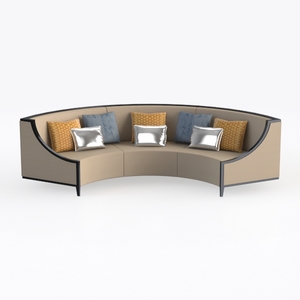
Modern Fabric Curved Sectional Sofa With Decorative Throw Pillows 3D Model
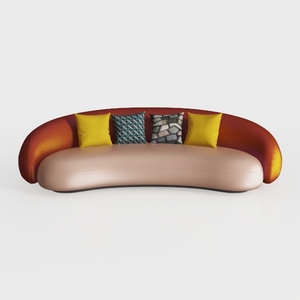
Modern Two Tone Fabric Curved Sofa With Decorative Throw Pillows 3D Model
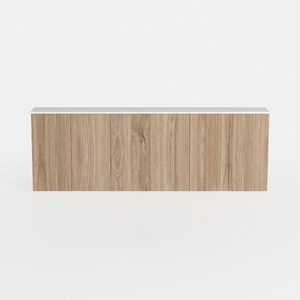
Fluted Sideboard Buffet Cabinet with Storage,
Homestyler is the ideal platform for transforming your home design dreams into reality. Its user-friendly online design tool, stunning 3D renderings, and a wealth of DIY video tutorials allow anyone to create personalized spaces effortlessly. Start designing with inspiration today!
Diseño ahora GRATIS
































