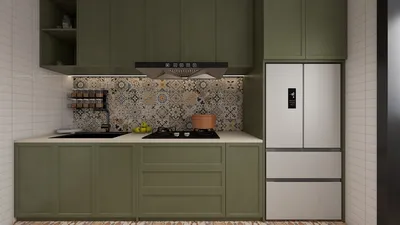


Embarking on the journey of crafting a floor plan for your home can be a thrilling experience, providing insights into design and spatial organization. Whether you are planning a renovation, relocating, or simply looking to enhance your understanding of your space, a well-drawn floor plan can serve as an essential tool in grasping how your home operates. Below is a step-by-step guide to help you effectively create your own floor plan.First, gather the necessary supplies. You'll need graph paper or a digital design tool like Homestyler, a measuring tape, a pencil, and an eraser. Using digital tools can streamline the whole process considerably.Next, start measuring the dimensions of every room within your home. Focus on one room at a time, measuring both the length and the width. Don’t forget to include doorways, windows, and any fixed furniture, such as cabinets. Keep a record of these measurements to ensure accuracy.As you accumulate your measurements, it’s time to begin sketching. If you are using graph paper, decide on a scale (for instance, let 1 square represent 1 foot) to maintain consistency. Begin by outlining each room according to your recorded dimensions. Make sure to include doors and windows in your drawing, as these elements will significantly influence your furniture arrangements later on.Once you’ve established a basic layout for each room, it’s time to incorporate additional details. Designate where furniture is to be placed and consider the flow of movement between rooms. This is your chance to express creativity! Think about the functionality of each area and ensure that there’s adequate space for movement.If you’re utilizing a digital tool like Homestyler, you can simply drag and drop furniture models to visualize your interior layout. With countless brands and styles at your disposal, you have the freedom to test various designs and configurations without any physical effort.After finalizing your floor plan, take a moment to review it critically. Does the arrangement make logical sense? Is there ample space for all your essentials? Feel free to make any necessary changes.Lastly, you can complete your floor plan. If you’re drawing on paper, consider tracing your sketch with a pen to enhance clarity. If you are using design software, you can export your layout or share it with others for insights and feedback. Remember, a floor plan is a dynamic document that can evolve as your needs change over time.By adhering to these directions, you will be equipped to create a comprehensive floor plan for your home that embodies your personal style and practical needs. Additionally, employing a tool like Homestyler can further enrich the process, providing high-quality visual renderings that beautifully bring your concepts to life.
Tips 1:
Exploring online resources and software can yield inspiration and fresh ideas for your floor plan. By examining various designs, you may uncover innovative layouts that you hadn’t previously considered!
FAQ
Q: Do I need professional skills to draw a floor plan? A: Not at all! Anyone with basic measuring and sketching capabilities can craft a floor plan.
Q: What tools can I use besides graph paper? A: Digital solutions like Homestyler are fantastic for generating detailed and visually striking floor plans.
welcome to Homestyler

Modern Pink Fabric Gold Legged 2 Seat Sofa 3D Model

Minimalist Fluted Solid Wood 6 Drawer Dresser 3D Model
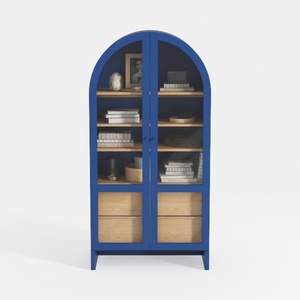
Modern Blue Frame Solid Wood Arched Glass Display Cabinet 3D Model
Homestyler is your go-to online platform for home design! With its intuitive design tool and stunning 3D renderings, you can effortlessly create your dream space. Explore numerous design projects and learn through DIY video tutorials—all in one place. Bring your vision to life today!
Design Now for FREE
































