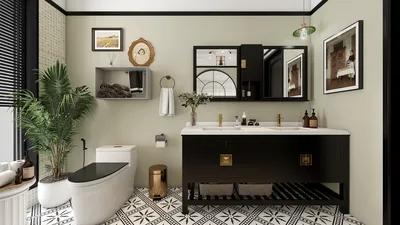


Incorporating natural textures indoors can significantly transform a room's ambiance and functionality. Moss wall art serves as a stunning, biophilic addition that requires no daily maintenance. This type of artwork not only mitigates sound reflections but also complements hard, shiny surfaces. Research from Steelcase demonstrates that integrating nature-inspired elements leads to lower stress levels and enhanced concentration; environments that prioritize well-being, adorned with comfortable visuals and nature references, notably elevate performance metrics. According to WELL v2, the importance of biophilia and sound comfort is emphasized, suggesting that managing noise and incorporating visually calming aspects can aid cognitive restoration throughout the day.
From a practical perspective, I view moss as a versatile, vibrant medium that harmonizes with neutral color schemes while absorbing noise in the mid-to-high frequency range. WELL v2’s Mind concept highlights the importance of nature-inspired elements for mental rejuvenation. Steelcase’s findings emphasize that layering soft surfaces against harder finishes results in increased user satisfaction. When properly illuminated, moss surfaces avoid glare and maintain their vibrant colors, contributing to a tranquil environment under both task and ambient lighting conditions. For additional insights into workplace and human-centered design, refer to WELL v2’s recommendations on biophilia within the Mind and Light principles, along with Steelcase’s extensive research library on holistic environments.
Choosing the Right Moss for Your Project
I recommend using preserved reindeer moss, sheet moss, and pillow moss for DIY art projects. These materials are sourced from nature, then glycerin-preserved to retain color and flexibility without the need for watering. Reindeer moss offers a cloud-like appearance, sheet moss forms lush green expanses, and pillow moss adds a rounded, three-dimensional effect. Combining different types creates depth and shadow. Preserved moss remains stable in typical indoor humidity levels (45–55%) and thrives under indirect light.
Selecting Frames and Bases
Opt for a sturdy, shallow frame with a sealed back—wooden shadow boxes or metal trays are ideal. Ensure backer boards are moisture-resistant; options like marine plywood, sealed MDF, or acrylic sheets work well. For larger panels, be mindful of weight limits based on your wall anchors. A moss panel measuring 24x36 inches typically weighs significantly less than a live wall due to the absence of soil and irrigation.
Strategizing Layout and Composition
Before committing, sketch out your layout: designate areas for continuous fields, contrasting clusters, and negative space. I often start with sheet moss as a foundational layer, adding pillow moss for texture and reindeer moss for accentuation. To maintain visual rhythm, alternate densities and leave space around key clusters. If you want to visualize different arrangements or test size relative to furniture, utilizing a room layout tool can be helpful in simulating sightlines and proportions prior to gluing, especially with tools like Homestyler that allow for easy design adjustments.
Understanding Color Psychology and Tone
Green evokes feelings of calm and restoration, pairing beautifully with warm wood tones and matte black fixtures. Maintain consistent saturation across the panel—juxtaposing vibrant neon greens with deep forest shades can appear chaotic. For contrast, consider adding muted umber twigs, charcoal stones, or soft lichen grays. In smaller spaces, a monochromatic moss field reduces visual distractions; larger areas can benefit from graduated shades of green that guide the eye and create a sense of movement.
Lighting Techniques for Depth and Comfort
Effective lighting showcases the sculptural qualities of moss. Aim for an ambient light level of around 200–300 lux for living spaces, with a warm color temperature of 2700–3000K to ensure greens remain vivid and inviting. Incorporate a dimmable accent light at a 30–45° angle to cast soft shadows without causing glare. Steer clear of direct high-intensity spotlights that shine straight onto the panel; angles are more forgiving to the texture and enhance visual comfort. When illuminating work areas, balance task lighting with softer ambient light so that the moss does not appear as a shadowy patch.
Enhancing Acoustic Comfort and Placement
Though preserved moss is not formally recognized as an acoustic panel, its fibrous structure aids in diffusing mid-frequency sounds—ideal for locations behind a television, along hallways, or facing hard floors. Position the moss artwork to break up long reflective paths, such as opposite a window wall or near an entry corridor. In multipurpose spaces, distribute soft surfaces—textiles, rugs, and moss—to sidestep creating a deadened corner and ensure consistent sound comfort throughout the area.
Step-by-Step Guide to Creating Your Moss Artwork
1) Prepare the frame: seal and dry the backer board; attach French cleats or heavy-duty D-rings for secure hanging. 2) Lay out your materials: loosely arrange moss varieties and any inert elements (like driftwood and stones) to experiment with composition. 3) Choose the right adhesive: opt for a high-quality, low-VOC contact adhesive or hot glue appropriate for preserved plants; always test on a small area first for color compatibility. 4) Application method: start gluing sheet moss, ensuring full contact by pressing firmly. 5) Add topography: place pillow moss in varying sizes for visual interest; avoid overly symmetrical arrangements. 6) Fine-tune details: insert reindeer moss into gaps to brighten edges and smooth transitions. 7) Finish the edges: trim and adjust edges for a clean border; if the frame allows, consider a reveal or shadow gap. 8) Cure and mount: allow adhesives to fully set, then hang using appropriate hardware for the weight.
Considering Human Factors: Scale, Reach, and Safety
Install moss art at eye level for the primary user demographic, typically between 57–63 inches for a mixed-height group. Ensure edges are smooth and avoid any protrusions in narrow spaces. In households with pets or young children, select a frame depth that minimizes the risk of items being pulled, and avoid loose gravel. While preserved moss is stable in humid climates, avoid placing it in bathrooms with direct steam; powder rooms with ventilation are suitable.
Sustainability and Sourcing Materials
Look for responsibly sourced preserved moss and adhesives free from formaldehyde. Frames made from FSC-certified wood and finishes with low-VOC content can improve indoor air quality. Since preserved moss does not require irrigation, it conserves water and eliminates the mold risks associated with live planted walls in poorly ventilated spaces. Whenever possible, use reclaimed wood to enhance texture and minimize overall carbon emissions.
Maintenance and Lifespan of Moss Pieces
Preserved moss requires no watering and minimal dusting. Regularly use gentle compressed air or a soft brush to keep it clean. It should be kept out of direct sunlight to prevent fading—north-facing walls or indirect light areas are best. If a section begins to lose its vibrancy over time, replace the patch with fresh moss to prolong the life of your artwork without needing to rebuild entirely.
Exploring Design Variations
- Monochromatic fields: opt for a single moss type to create a sleek, architectural look. - Topographic reliefs: layer pillow moss to craft peaks and valleys. - Mixed media compositions: fuse driftwood, matte stones, and brass accents for visual contrast. - Geometric patterns: segregate the frame with slender wood dividers, alternating moss densities for a graphical effect. - Modular designs: create smaller 12x12 panels for flexibility in arrangement over time.
Avoiding Common Mistakes
- Over-gluing: excessive adhesive can mar the finish—apply pressure from underneath layers. - Inappropriate lighting: a flat light diminishes texture; use angled, dimmable accent lights. - Color discrepancies: mixing overly bright moss with earthy tones without transitional elements can appear disorganized. - Poor mounting: ensure heavy frames are secured with robust anchors—utilizing cleats is advisable and match hardware to the wall type.
Frequently Asked Questions
Q1: Is preserved moss really maintenance-free?
A: It requires no watering or fertilizing. Just occasional dusting with a soft brush or compressed air is sufficient. Avoid direct sunlight to prevent fading.
Q2: Can moss art enhance acoustics?
A: While preserved moss isn’t officially rated as an acoustic panel, its fibrous texture aids in diffusing mid-frequency sounds, promoting a quieter atmosphere, especially in rooms with hard surfaces.
Q3: What is the best lighting for showcasing moss?
A: Use warm lighting at 2700–3000K with ambient light levels around 200–300 lux, accompanied by gentle accent lighting at a 30–45° angle to highlight texture. Steer clear of harsh, direct light that flattens the moss's relief or causes glare.
Q4: Is it suitable for humid environments?
A: Moderate humidity is acceptable, but direct steam should be avoided. Powder rooms with proper ventilation are fine, while active shower areas should be avoided due to moisture spikes and low airflow.
Q5: Which adhesives are recommended for moss projects?
A: Low-VOC contact adhesives or hot glue designed for preserved botanicals are best. Always test a small area first to ensure color preservation.
Q6: How do I determine the right size for my moss art?
A: Scale your panel to match the width of the wall and the distance from which it will be viewed. Generally, a panel that occupies 50–70% of the furniture width beneath it achieves a balanced look, providing a 6–10 inch margin on either side.
Q7: Can I incorporate other materials into my moss design?
A: Absolutely—elements such as driftwood, matte stones, and sleek metallic accents can enhance contrast and hierarchy within the piece. Just ensure that inert components take up no more than 10–30% of the overall surface area to keep the focus on the greenery.
Q8: Will preserved moss generate allergies?
A: Generally, preserved moss produces significantly less dust and pollen than live plants. If sensitivities are a concern, opt for sealed frames and avoid using loose materials like gravel.
Q9: How long will the colors in preserved moss last?
A: With appropriate indirect lighting and stable indoor conditions, preserved moss can maintain its color for many years. If some sections fade, spot-replacement is a quick and simple solution.
Q10: Is it possible to rearrange the layout later?
A: For modular designs, creating smaller tiles mounted with cleats allows for easy swapping or addition of new tiles without the need for a complete rebuild of your artwork.
Homestyler is your go-to platform for effortless home design. With its user-friendly online design tool, stunning 3D renderings, and a wealth of DIY video tutorials, you can easily create and visualize your dream space. Unleash your creativity and transform your home today!
Design jetzt kostenlos
































