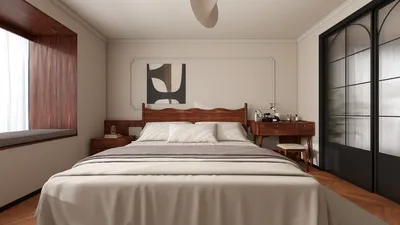


In the past, I attempted to restore a mirror from a thrift store with a damaged backing and ended up with silver flakes scattered everywhere — a messy lesson about vintage aesthetics. This mishap taught me the importance of planning before making any changes: figuring out how to layer items, where to position them, and how to transform a small reflective piece into a captivating focal point. To begin, I created a simple sketch of a mirror layout to visualize how light would reflect in the room before applying any silver leaf.
1. Vintage Mercury Finish Tray
Transforming an old tray into a catchall with a mercury finish for keys and candles is one of my favorite projects. This technique is forgiving: spray a mirrored base, gently apply silver leaf, and finish with an antiquing glaze to soften the look. It's cost-effective and has a dramatic impact, but keep in mind that sealing requires patience, and the charming imperfect edges are part of the allure.
save pin
2. Cluster of Mercury Mirrors
Grouping small round mirrors over a console creates an editorial-style display without straining your budget. I suggest mixing various sizes and leaving tiny spaces to enhance depth; the uneven silvering effect adds to its authenticity. To ensure the arrangement looks intentional, make sure to plan with templates and appropriate hooks.
save pin
3. DIY Mercury-Style Frame Inset
Replace the glass in an old frame with a mercury-style backing to elevate an ordinary print. I did this for a client pursuing vintage elegance without the heft of true antique glass. This method is lighter and less fragile, although it doesn't possess the exact aging attributes of authentic mercury glass.
save pin
4. Stylish Bathroom Accent Mirror
Adding a small mercury-accent mirror above the sink can instantly elevate a guest bathroom's aesthetic. The distressed reflective surface cleverly conceals water spots and introduces depth to limited tile spaces. If you want to visualize your layout beforehand, explore some bathroom accent ideas I created using Homestyler for quick mockups that streamlined the installation process.
save pin
5. Distressed Edge Antique Panel
For a more striking appearance, create a distressed edge panel by aging the silver leaf edges and mounting the panel in a deep frame. I once installed one in a tight hallway, and it transformed the space into a gallery-like passage filled with light. While this approach requires some effort and good sealing, the result can offer museum-like ambiance on an economical budget.
save pin
Materials & Quick Tips
Ensure a well-ventilated workspace, use nitrile gloves, and consider a respirator if you're applying liquid antiquing solutions. Genuine mercury glass has hazardous qualities, so the DIY methods often use silver leaf or silvering sprays for a safe alternative. Begin with manageable projects like a tray or frame before advancing to larger ventures if you're pleased with the aged effect.
save pin
FAQ
Q: Is creating a mercury mirror safe for DIY projects?
A: Most DIY mercury mirror techniques utilize silver leaf or silvering paint instead of elemental mercury, minimizing any toxic risk. Always ensure good ventilation and adhere to product safety guidelines.
Q: Can I replicate an authentic antique appearance without real mercury?
A: Absolutely. Layering uneven silver leaf, adding subtle distressing, and glazes can craft a convincing aged patina resembling antique glass while ensuring safety and accessibility.
Q: What essential tools are needed for a basic project?
A: You will need nitrile gloves, soft brushes, silver leaf sheets or reflective spray, antiquing glaze, and a quality sealer. Templates and a small vise are helpful for frame assembly.
Q: How can I protect the finished surface?
A: Applying a clear water-based sealer or resin designed for metallic leaf is ideal; avoid oil-based varnishes which can discolor over time. Conduct a test on a sample to ensure the finish remains true to your vision.
Q: Are mercury mirror projects suitable for humid bathrooms?
A: Yes, but it's best to use waterproof sealers and moisture-resistant backer boards. Smaller accents generally work better than expansive treatments in high-moisture areas.
Q: Where can I explore effective small-space mirror layouts?
A: I often create digital prototypes prior to starting; having a visual mockup aids in envisioning light and scale, which helps avoid surprises during installation. For inspiration, check out some 3D render designs on platforms like Homestyler that demonstrate effective use of space and lighting.
save pin
Q: Is real mercury still in use today?
A: Historically, mercury was a common component in silvering methods, but due to its toxicity, it's no longer widely used. For accurate health information, consult the U.S. Environmental Protection Agency’s guidance on "Health Effects of Mercury" at https://www.epa.gov/mercury.
Q: How can I visualize my project before starting?
A: Creating a 3D model or rendered preview is beneficial for assessing placement and scale; I’ve saved substantial time and resources by visualizing concepts before actual construction. For exemplary references, explore 3D renders that highlight scale and lighting.
Discover the ease of home design with Homestyler! This user-friendly platform offers a robust online design tool, stunning 3D renderings, and a wealth of inspiring design projects and DIY video tutorials. Transform your space effortlessly and unleash your creativity today!
Design Now for FREE
































