


Designing a 3D representation of meiosis is a captivating method to illustrate one of biology's most complex processes. Begin by defining the stages: prophase I, metaphase I, anaphase I, telophase I, followed by meiosis II (prophase II, metaphase II, anaphase II, telophase II). Decide on your modeling approach; utilizing digital tools like 3D modeling software such as Homestyler, Blender, or SketchUp can greatly enhance classroom presentations, while tactile materials like clay, paper, or other craft items are excellent for hands-on learning experiences. If opting for digital models, start by creating an array of chromosomes and cellular components, then animate or organize each phase to underscore pivotal events like synapsis, crossing over, and reduction division. When constructing a physical model, utilize color-coded clay or craft supplies to differentiate homologous chromosomes and chromatids, sequencing them to illustrate their movement and separation vividly. Make sure each model is clearly labeled, and consider adding detachable elements for a more interactive learning experience. As a designer, I believe that simplifying intricate biological concepts into modular, visually varied models facilitates better understanding—similarly, in interior design, both functionality and structure are essential for an effective presentation. If you're aiming to showcase your model in a virtual environment or classroom setting, employing a dynamic interior visualization tool like Homestyler can help bring educational projects to life similarly to how home layouts are depicted; 3D rendering platforms tailored for this purpose can make your meiosis model stand out remarkably.
Tips 1:
Apply contrasting colors for homologous chromosomes to effectively illustrate crossing-over. Use transparent materials or overlays to depict cell membrane division, and incorporate labels or pop-outs for spindle fibers and centromeres to enhance comprehension.
FAQ
Q: What materials are suitable for a physical meiosis model?
A: Options like colored clay, pipe cleaners, beads, and foam are excellent for representing chromosomes, centrioles, and nuclei.
Q: Which software is recommended for digital 3D biology models?
A: Blender, SketchUp, and Homestyler are highly regarded options for users at all skill levels.
Q: How can I illustrate chromosome movement in my model?
A: Develop movable or modular sections for chromosomes and spindle fibers to facilitate a detailed, stage-by-stage demonstration.
Q: What critical events should I emphasize in a meiosis model?
A: Highlight events such as synapsis, crossing-over, chromosome arrangement, and reductional division to clarify the meiosis process.
Q: Can 3D floor planning tools aid in educational model presentations?
A: Absolutely, certain 3D rendering home platforms can effectively be utilized to showcase biological models, making them both interactive and visually appealing for educational settings.


Modern Rattan Fabric Upholstered Loveseat Sofa 3D Model
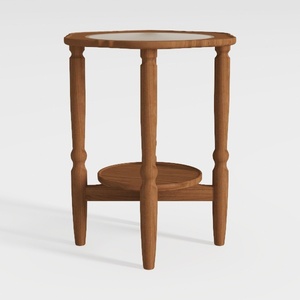
HOOBRO Small Round Side Table with Charging
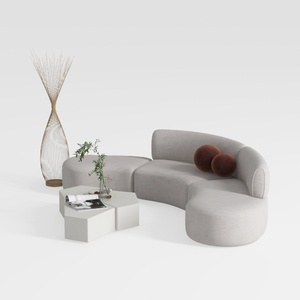
Minimalist Fabric Curved Sectional Sofa 3D Model
Homestyler is your go-to online platform for home design. With its user-friendly design tool, stunning 3D renderings, a wealth of design projects, and insightful video tutorials, you'll effortlessly create beautiful spaces. Unleash your creativity and transform your home today!
تصميم الآن مجانا
































