

Designing a 3D model of the food chain offers a fulfilling opportunity for educators, students, and ecology enthusiasts to visualize complex ecological interactions. This project not only promotes understanding of the relationships among producers, consumers, and decomposers but also allows for imaginative expression. Here’s a detailed guide to help you create your own 3D food chain model using tools like Homestyler for enhanced visualization:
From a design standpoint, the careful arrangement and scale of your model can significantly enhance its visual impact and clarity. If you wish to conceptualize or visualize your project digitally before execution, utilizing a 3D Floor Planner like Homestyler helps accurately map the spatial relationships, ensuring that every component is purposeful and clearly defined—similar to how a well-thought-out room design comes together.
Tips 1:
Pay attention to scale and perspective. Whether you're crafting by hand or employing digital platforms, it’s important that smaller organisms maintain visibility—achieving balance is essential not only for educational integrity but also for aesthetic appeal in presentations, akin to thoughtfully arranging furniture within a well-designed living space.
FAQ
Q: What materials work best for a 3D food chain model?
A: Popular materials include clay, cardboard, recycled items, colored paper, and paints. To add richness, consider incorporating natural textures such as twigs or leaves for more realism.
Q: How can I depict the flow of energy in my model?
A: You can use arrows, strings, or labels to show the energy transition from producers to apex predators and decomposers, effectively illustrating energy transfer within the ecosystem.
Q: Can digital tools assist in designing my 3D food chain model?
A: Certainly! Using 3D planning software like Homestyler allows you to prototype your design, explore layouts, and visualize relationships within the model before constructing it physically.
Q: How many levels should my food chain consist of?
A: Generally, maintaining 4-5 levels (including producers, primary, secondary, tertiary consumers, and decomposers) suffices, but for clarity, you might opt for fewer levels.
Q: Any recommendations for making my model eye-catching in a classroom?
A: Employ vibrant colors, clear labeling, and innovative arrangements. Apply design principles such as balance and contrast to make your model stand out and enhance the learning experience.
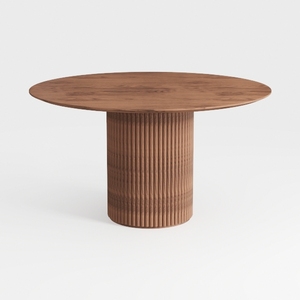
43.3''-59'' Extendable Round Dining Table for 4, M
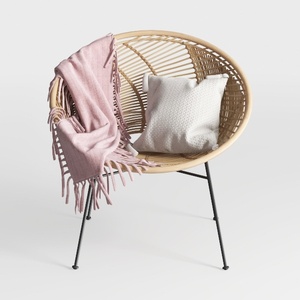
Outdoor 1-Person Wicker Rattan Egg Swing Chair wit
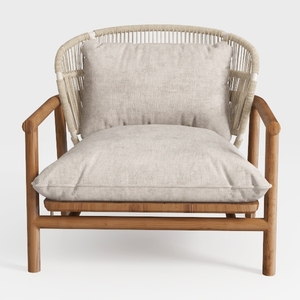
ANJ Modern Arm Chair, Mid-Century Modern Accent Ch
Homestyler is an exceptional online home design tool perfect for anyone looking to revamp their space. With stunning 3D renderings, a wealth of inspiring design projects, and easy-to-follow video tutorials, you'll effortlessly create your dream home—whatever your experience level may be!
Progetta ora GRATIS
































