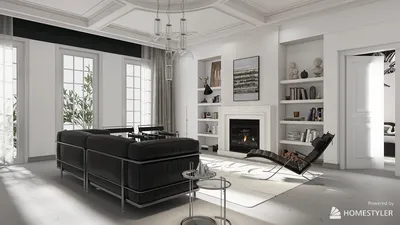


Creating a stunning living room can be achieved in just a few hours with the right framed art and photography. The key isn’t about filling the space with numerous pieces; it's about selecting an ideal combination, ensuring proper sizing, and maintaining a balance of light, sightlines, and seating arrangements. In my design endeavors, a thoughtfully curated frame wall often serves as the focal point of the room, facilitating conversation and movement while addressing visual inconsistencies. One tool that facilitates this process is Homestyler, which allows you to visualize your designs easily.
Effective framing transcends mere decor; it encompasses ergonomics, lighting, and psychological principles. According to WELL v2 guidelines, living areas should maintain an illuminance level of approximately 300–500 lux to enhance visual comfort. The Illuminating Engineering Society emphasizes that managing glare and ensuring balanced lighting helps showcase artwork in its true colors and details. Meanwhile, research from Verywell Mind highlights that warm colors foster a feeling of comfort and social connection, particularly when the frame arrangements maintain consistent margins and rhythmic spacing on the wall.
The impact of scale and proportion cannot be underestimated. Insights from Steelcase’s workplace research suggest that visual cues significantly influence behavior and focus. When it comes to home décor, a precise frame layout can help simplify visually crowded spaces. For instance, when designing a gallery wall above a sofa, I recommend positioning the bottom edge of the frames 6–8 inches above the back cushion and centering the arrangement around 57 inches to accommodate seated viewing. The overall cluster should ideally span about two-thirds the sofa's width for a cohesive look.
Create a Unified Visual Narrative With Frames
Begin your arrangement with a prominent anchor piece—perhaps one large artwork or a beloved diptych. Arrange complementary prints around it, progressively decreasing their sizes. Limit frame materials to one or two types, such as metal or wood, to establish a unified rhythm. The thickness of the mats should correlate with the scale of the art: smaller pieces benefit from 2–3 inch mats, while larger artwork can manage a 3–4 inch mat without overwhelming the composition. In a blend of modern and vintage styles, matching sleek black aluminum frames with a few natural oak choices can beautifully connect different aesthetics.
Consider Sightlines and Seating Arrangements
Frames should be easily visible from key seating positions and the entryway. Determine your primary sightline—typically the axis stretching from the room’s entrance to the seating area—and position your anchor piece accordingly. Avoid placing vibrant or emotionally charged art in the same line of sight as the TV to minimize visual distraction. For reading areas, opt for more subdued color palettes and gentle imagery to promote relaxation.
Optimize Lighting for Art Without Glare
Bringing art to life requires a strategic lighting approach. A combination of subdued ambient lighting (targeting 300–500 lux), strategically positioned directional lights angled between 30–45 degrees to the wall, and warm color temperatures around 2700–3000K works well to enhance skin tones and various art materials. If your frames incorporate glass, direct lights away from typical viewing spots to minimize reflections. Dimmers can help adjust brightness based on evening activities, while a discreet picture light is ideal for illuminating the anchor piece in tricky ceiling layouts.
Understanding Color Psychology and Material Choices
Colors significantly influence mood and perception. Warm-frame options such as walnut and brass can enrich intimacy, while cooler frames, like matte black and chrome, lend a modern sharpness and can visually lighten spaces filled with warm-colored textiles. Verywell Mind notes that red is energizing and blue offers calming effects; therefore, in living areas, I recommend warm-neutral palettes accented with cooler shades for a balanced aesthetic. Opt for non-glare acrylic over standard glass in well-lit rooms, and choose mats made from cotton or alpha-cellulose for longevity. Sustainable materials with low-VOC finishes are ideal for improved indoor air quality and aging gracefully.
Effective Layout Strategies: Grids, Salon Walls, and Linear Arrangements
Select a layout style that complements your room's architecture. A clean grid format works harmoniously with modern furniture and trims; salon walls are perfect for eclectic designs and rooms with high ceilings, while linear arrangements are suited for narrow corridors or above sideboards. When planning the spacing, maintain consistent gaps (usually 2–3 inches between frames) and align the outer edges harmoniously with architectural lines—such as window tops, door frames, or mantels—to create a unified look. For those uncertain about proportions, using a digital layout tool like Homestyler can help test spacing and placements effectively before making any physical alterations.
Curating a Diverse Collection: Art, Photos, and Unique Combinations
Incorporating a variety of media adds texture to the display: photographs deliver sharp narratives, drawings convey intimacy, and textiles or relief pieces introduce engaging shadows. Maintain a loose thematic focus, whether it’s family travels, botanical motifs, or monochromatic portraits, to prevent a disjointed storytelling effect. When blending personal photos with fine art, make sure to use matching mats and consistent frame depths to enhance overall presentation. Regularly rotating pieces keeps the display fresh and exciting, while safely archiving originals in acid-free sleeves ensures their preservation.
Correct Heights, Anchors, and Hardware Considerations
For stability, utilize two hooks per frame, and for heavier works, consider a French cleat or rail system. If hanging on drywall, employ toggle bolts for pieces exceeding 30 pounds; in plaster, ensure you pre-drill and use appropriate lath anchors. Aim for eye-level centering around 57 inches in multipurpose rooms, adjusting to about 60 inches in taller spaces. When above consoles or sofas, keep the bottom edges 6–10 inches above the surface for a balanced appearance.
Achieving Acoustic and Visual Balance
Frames can also play a role in softening acoustics. A salon wall featuring canvases and textiles can noticeably reduce echo compared to bare walls. To maintain visual order, cluster frames into one primary composition rather than spreading smaller pieces across multiple walls. Incorporate negative space to give the eye a resting area, making the art arrangement feel more intentional.
Ensuring Maintenance and Longevity
To protect your art from fading, avoid direct sunlight and use UV-filter glazing where exposure cannot be avoided. Regularly dust frames using microfiber cloths and avoid applying cleaners directly onto the glazing. If humidity is an issue, ensure art is protected by sealed backing and spacers. For spaces frequented by children, replace glass with shatter-resistant acrylic for increased safety.
Quick Start: Transform Your Space in Just a Few Hours
Select a single anchor piece, add four to six smaller supporting frames, maintain consistent finishes, and map a 2–3 inch grid. Illuminate the wall using two adjustable fixtures positioned at 30–45 degree angles, dimmed for comfort. Hang the entire composition centered around 57 inches, with bottom edges positioned 6–8 inches above the sofa. Your space will instantly appear curated, calmer, and more personal, enriching the overall atmosphere.
Frequently Asked Questions (FAQ)
For seated viewing, center compositions around 57 inches from the floor. In taller rooms or where people are frequently standing, 58–60 inches often feels appropriate. Maintain a clearance of 6–10 inches above furniture.
Keep a consistent 2–3 inch space between standard frames measuring 11x14 to 18x24. For larger artworks, a spacing of 3–4 inches works well. Cohesion takes precedence over exact measurements.
Direct accent lighting towards the wall at a 30–45 degree angle, utilize dimmers, and prefer non-glare acrylic in bright settings. Avoid positioning high-gloss artworks directly across from windows.
Although it's not necessary, limiting finishes to one or two types—such as black metal paired with light oak—fosters visual harmony. Within that palette, varying sizes and mat widths adds layered visual interest.
Warm white lighting around 2700–3000K enhances skin tones and complements various media. Aim for an overall illuminance of roughly 300–500 lux for comfortable viewing per guidelines from WELL and IES.
Indeed, mixed media displays, including canvases and textiles with varying depths, contribute to slight sound absorption and diffusion, reducing flutter echoes in comparison to bare walls.
Choose a loose theme such as locations, botanical designs, or monochrome family portraits. Unify the display with consistent mat colors and frame finishes, allowing for seasonal variations to keep the showcase dynamic.
Use two-point mounting with D-rings and a French cleat system for frames over 30 pounds. In drywall, utilize toggles; for plaster, pre-drill and select lath anchors for installation.
Position a compact grid above the sofa or a linear arrangement above a console to maintain clean sightlines. Aim for the total display to cover about two-thirds of the width of surrounding furniture for visual balance.
Incorporate a disciplined grid around the TV while ensuring one distinct anchor piece is placed away from the screen. Position high-contrast or vibrant artworks out of direct sightlines of the TV to minimize visual competition.
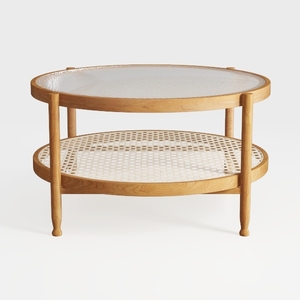
Minimalist Oak Rattan Glass Top Round Coffee Table 3D Model

Minimalist Solid Oak Linen 3 Seater Sofa 3D Model
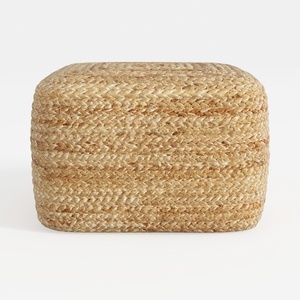
Natural Rattan Woven Square Ottoman 3D Model
Homestyler is an amazing online home design platform perfect for all skill levels. With its user-friendly design tool, stunning 3D renderings, and a wealth of DIY video tutorials, you can unleash your creativity and transform your living space effortlessly. Get started today!
Design Now for FREE
































