

Crafting a 3D model of Planet Saturn presents an exciting opportunity for students, artists, educators, and anyone with a passion for astronomy or design. This endeavor merges creativity, research, and technological skills to depict one of the most magnificent gas giants in our solar system. To begin, collect comprehensive reference images of Saturn, focusing on its distinctive pale yellow hue, the bands of clouds, and its remarkable ring system. Then, choose your modeling software—whether it be free options like Blender, Tinkercad, or professional tools like SketchUp—these platforms are ideal for your project.
Start by forming a perfect sphere to represent Saturn's body, and apply texture maps that reflect its atmospheric patterns. To simulate the ring system, create thin, flat toroidal shapes or layered disks that orbit around the central sphere. Enhance realism with transparency and gradient textures, capturing the varying opacities of Saturn's rings. Lighting is vital; by simulating sunlight, you can accentuate the planet’s three-dimensional characteristics and the shadows cast by the rings onto its surface.
As an interior designer and content creator, I approach each creative challenge, such as modeling Saturn, from a solution-oriented angle. Effective 3D design relies on a deep understanding of shapes, proportions, and materials to create lifelike representations. I suggest utilizing a 3D home rendering solution like Homestyler to visualize your planet model in various environments or tailor the setting for educational displays or one-of-a-kind design projects. This method allows for immediate iterations, lighting adjustments, and texture enhancements to achieve the most authentic final presentation.
Tips 1:
Incorporate texture and bump maps to enhance the realism of your model—subtle variations in color on the planet’s surface and slight height differences within the rings will increase the visual appeal of your creation. Always consult scientific images from reputable sources like NASA to accurately determine colors, ring placements, and the overall look of the model.
FAQ
Q: What software is recommended for creating a 3D representation of Saturn?
A: Notable options include Blender (a free and open-source software), Autodesk Maya, and SketchUp. For beginners, Tinkercad is a great starting point due to its intuitive interface.
Q: How can I make the rings of Saturn appear transparent in my model?
A: Most 3D design software allows for adjustments to material opacity and the use of gradient textures to simulate the varying densities of the rings.
Q: Do I need advanced skills to model Saturn?
A: No, basic 3D modeling skills are sufficient for creating a basic version of Saturn. Start with a sphere and disk and refine the details as your confidence grows.
Q: Where can I obtain high-resolution textures of Saturn for my project?
A: NASA’s public domain image collection is a fantastic resource for retrieving textures of the planet's surface and rings.
Q: Is it possible to 3D print my Saturn model?
A: Absolutely! You can export your completed model as an STL or OBJ file suitable for 3D printing. Just be mindful of the thinness of the rings and the need for support structures to ensure successful printing.
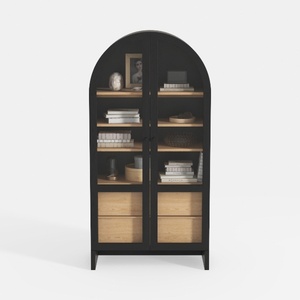
Modern Black Oak Arched Glass Display Cabinet 3D Model
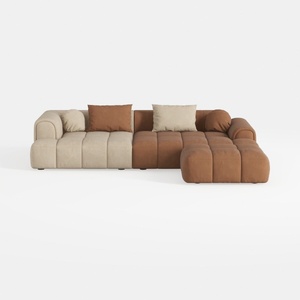
Modern Velvet Sectional Sofa, U Shape Minimalist M
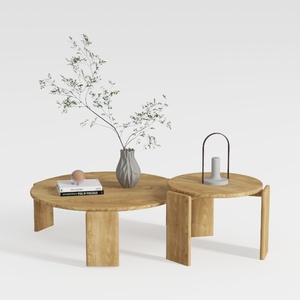
RUSTOWN 2-Piece Round Farmhouse Coffee Table
Unlock your creativity with Homestyler, the ultimate online home design platform. With an easy-to-use design tool, stunning 3D renderings, a wealth of inspiring design projects, and helpful DIY video tutorials, transforming your space has never been more accessible or enjoyable!
지금 무료로 디자인하세요
































