


Transforming a flat image into a 3D model is an exhilarating endeavor that can breathe life into static visuals. Whether you are a seasoned designer, an enthusiastic hobbyist, or simply intrigued by the world of 3D modeling, this comprehensive guide will outline the steps you need to effectively and efficiently achieve this fascinating transformation.
To successfully convert a picture into a 3D model, it’s vital to leverage the appropriate tools and methodologies. The primary focus is on the phrase 'convert picture to 3D model'. Begin by selecting software specifically tailored for this purpose. Applications like Blender, Autodesk 123D Catch, and Adobe Photoshop are excellent choices that can help you create remarkable 3D models from images. But what are the intuitive ways to navigate these tools?
Step 1: Select the Appropriate Software
The initial step in transforming a picture into a 3D model involves choosing the right software that matches your expertise level. Beginners might prefer straightforward platforms such as Tinkercad, which is user-friendly and requires little background, whereas advanced users might opt for Blender due to its comprehensive features and versatility. This decision is crucial as it will directly impact your efficiency and the quality of your end product.
Step 2: Prepare Your Image
Before you import your photo, ensure that it possesses a high resolution and the right perspective. Clear outlines, strong contrasts, and defined shapes are integral for generating effective and detailed 3D models. If needed, enhance your image for optimal clarity by utilizing photo editing tools.
Step 3: Import the Image
After preparing your image, the next task is to import it into your chosen program. While the import process can vary based on the software, it typically involves dragging the image file into the application or selecting the relevant import option from the menu. Familiarizing yourself with these procedures within your chosen software can streamline your workflow.
Step 4: Create 3D Geometry
This is the stage where the real transformation occurs! Utilize the tools available in your software to trace the shapes present in your 2D image. Most applications, such as Blender, provide functionalities to generate a mesh from your image, allowing you to intricately sculpt the details of your 3D model and bring your artistic vision to fruition.
Step 5: Polish and Texture the Model
Once your base model is formed, refine it by smoothing out edges, adjusting depths, and rectifying any discrepancies. Add textures for enhanced realism by applying high-resolution images or paint effects directly onto your model to boost its aesthetic appeal. This stage is essential for crafting a polished final product that stands out.
FAQ
A: For those with advanced skills, Blender is a popular choice due to its impressive capabilities. Conversely, Tinkercad is ideal for beginners, thanks to its straightforward interface.
A: To achieve better results when converting images to 3D, opt for photographs with clear shapes, strong contrasts, and noticeable outlines. Steer clear of overly intricate or blurred images as they can complicate the modeling task.
A: The time required can range from a few minutes to several hours, largely depending on the complexity of your image and your proficiency with the software. The more acquainted you become with the tools, the quicker the process will become, using innovative solutions like Homestyler to enhance the experience.
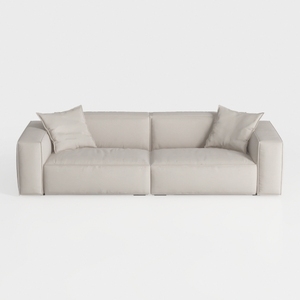
Minimalist Beige Fabric Modern Sofa with Throw Pillows 3D Model
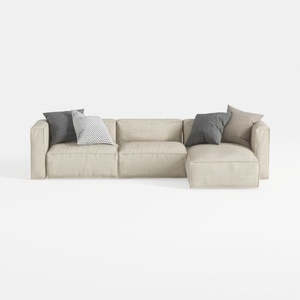
Minimalist Fabric L Shaped Sectional Sofa with Throw Pillows 3D Model
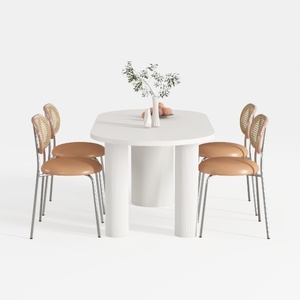
DUOMAY Modern Boucle Dining Chairs Set of 2,
Homestyler is your go-to online design platform for all things home! With an easy-to-use design tool, stunning 3D renderings, and a wealth of design projects and DIY video tutorials, you can effortlessly create and visualize your dream spaces. Start designing today!
Design Now for FREE
































