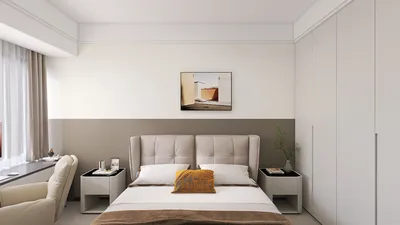


I once almost ruined an adorable rental by painting all the interior doors a bright white without assessing the lighting first — the kitchen appeared neon at 7 am and I had a very upset tenant by day two. This little mishap taught me that selecting white paint is not merely a choice; it’s a comprehensive decision involving various factors like sheen, undertone, and finish. Particularly in compact spaces, white doors can serve as a magical element that enhances light and simplifies sightlines, but a strategy is essential.
One technique I frequently apply in my endeavors is innovative room planning: painting doors the same white as the trim to create the illusion of higher ceilings and smoother transitions. It’s a budget-friendly solution with a significant impact, but I will also caution you about issues like scuffs and yellowing—I'll elaborate on how to prevent those later.
1. Coordinate trim and door for a seamless look
I adore a cohesive appearance where doors, trim, and window casings all share the same shade of white. This approach visually diminishes edges and makes tight corridors appear broader. The benefit is a serene, continuous backdrop that allows your furniture and art to stand out; however, the trade-off is increased maintenance — you’ll be more likely to see chips and marks, so selecting a durable finish and planning for touch-ups is crucial.
save pin
2. Opt for semi-gloss for durability and ease of cleaning
My standard choice for doors is semi-gloss or satin when clients have children or pets; this finish is easy to clean and stain-resistant. It also reflects just enough light to highlight hardware details, but be cautious: high-gloss finishes reveal every brushstroke, so careful priming and sanding are vital. If funds are limited, a quality satin acrylic latex provides a balance between affordability and durability.
save pin
3. Distinguish between warm whites and cool whites — understand the undertone
Choosing 'white' is where many get stuck. I always bring samples into the room to observe them under both morning and evening light; a cool blue-white can seem stark, while a warm cream softens a small bedroom. For compact homes, I prefer warm whites with subtle gray or beige undertones to avoid that stark hospital feel.
To visualize different layouts effectively before settling on paint, I often create quick 3D floor visuals using Homestyler to test light and color relationships within the context.
save pin
4. Two-tone doors add character without overwhelming small spaces
When an entirely white door feels too simplistic, I paint the panels in a gentle hue while keeping the frames white. This introduces character while maintaining brightness. However, this method poses a minor challenge: achieving perfect alignment and crisp lines requires tape and a steady hand, or hiring a professional finish—definitely worth the extra moments for a custom appearance.
save pin
5. Hardware and texture enhance the allure of white
White doors serve as a neutral backdrop for captivating knobs, pulls, and inset panels. Matte black hardware adds a modern contrast; aged brass introduces warmth. Textured paints or paneled doors can enrich depth, but may also trap dust—therefore, if you cherish texture, I recommend using dust-resistant finishes and routine gentle cleaning.
save pin
Tips:
Always test at least three swatches directly on the door, checking them under both morning and evening lighting. Use a primer if the existing color is dark. For high-traffic areas, select semi-gloss and invest in a quality brush or a 3/8" nap roller for a smooth finish. For complex layouts, I complement paint choices with quick mockups in a room planner like Homestyler to ensure an appealing visual flow.
save pin
FAQ
Q1: What sheen is ideal for painting interior doors white?
A: Semi-gloss or satin are the most popular choices due to their durability and ease of cleaning. Semi-gloss reveals more imperfections but is easier to wipe clean; satin conceals minor flaws while still being washable.
Q2: How can I prevent white doors from yellowing over time?
A: Utilize high-quality, non-yellowing latex paint and refrain from using oil-based primers that may amber. Ensure proper ventilation during painting and minimize direct UV exposure whenever possible.
Q3: Should I apply primer before painting a white door?
A: Yes—priming facilitates adhesion and conceals old stains or darker colors, thereby reducing the number of topcoats necessary. A stain-blocking primer is essential if the door had water marks or nicotine stains.
Q4: Can white doors help a small room feel more spacious?
A: Definitely. Coordinating the color of doors with trim and walls minimizes visual breaks, creating the illusion of a larger, continuous space, especially in narrow hallways and compact apartments.
Q5: What white shades do you recommend for rooms with warm lighting?
A: I prefer off-whites with slight beige or warm gray undertones to soften sunlight and prevent glare. It’s essential to test samples because the same white can look different under warm incandescent versus cool LED lighting.
Q6: How do I select hardware that complements white doors?
A: Think about contrast and style: matte black for modern minimalist designs, brushed nickel for neutral transitional spaces, or warm brass for inviting traditional settings. Ensure that the size of knobs and hinges corresponds to the door's thickness and overall design.
Q7: Is it acceptable to paint closet doors white as well?
A: Yes—painting closet doors white aligns them with the rest of the room, reducing visual clutter. If the closet sees frequent use, choose a durable finish and expect more touch-ups compared to a rarely used bedroom door.
Q8: Is there reliable expert guidance on finishes?
A: For expert advice, leading paint brands offer trustworthy recommendations; for example, Sherwin-Williams advocates for satin or semi-gloss for trim and doors due to their durability and ease of cleaning (see: https://www.sherwin-williams.com/). I usually adhere to their specifications when determining sheen for areas with high foot traffic.
save pin
Homestyler is your go-to online home design platform! With its user-friendly design tool, stunning 3D renderings, and a wealth of DIY video tutorials, you can effortlessly create and visualize your dream spaces. Start transforming your home today with Homestyler!
Design Now for FREE
































