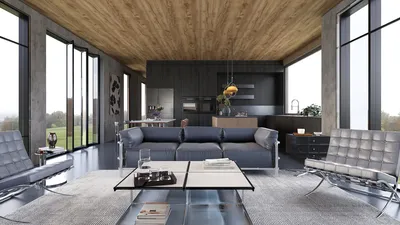


I once had a client who was adamant about having a six-person dining set in a 13 x 10 room — the thought of everyone eating while standing was almost on my lips. After taking measurements and sketching a layout, I advised them to first measure and plan the space to see what would truly fit; that experience reinforced my belief that designing for small areas encourages more thoughtful choices rather than limiting options.
1. Select the appropriate diameter for your round table
I always start with accurate dimensions: in a room measuring 13 x 10, a round table that is 36 to 48 inches (90 to 120 cm) in diameter typically provides a well-balanced look. The advantage is clear — round tables enhance movement around them and can accommodate more guests in compact spaces, though the downside is that there's less surface area for serving dishes during gatherings.
A tip from experience: ensure there’s a minimum of 36 inches (91 cm) from the edge of the table to the wall or furniture, allowing chairs to be pulled out comfortably. If space is really tight, consider using armless chairs or benches for a more efficient layout.
save pin
2. Use slim-profile storage to anchor the space
I appreciate the use of narrow buffets or floating shelves along the longer wall to store dining essentials without disrupting the flow of the room. Slim storage solutions keep necessities accessible while maintaining a visually airy atmosphere; however, this can limit deep cabinet space, so it’s crucial to prioritize frequently used items.
In one renovation project, transitioning to open shelving along with a narrow console created a more spacious feel in the corner while keeping plates and linens conveniently at hand.
save pin
3. Incorporate layered lighting to create an illusion of space
A pendant light suspended above the round table delineates the dining area, but I always add wall sconces or a floor lamp to illuminate the walls and minimize shadows. Effective lighting adds depth and makes the room appear larger; balancing glare and ambiance can be tricky, which is why I rely on dimmers as a solution.
save pin
4. Employ visual tricks with rugs and mirrors
Select a round rug that’s about 24 inches (60 cm) wider than the table to maintain proper proportions; I have noticed that placing mirrors on the shorter wall can significantly open up sightlines. Mirrors not only reflect light and create depth but can also expose clutter, so it’s important to keep surfaces tidy or opt for a decorative mirror that diverts attention from reflections.
To visualize arrangements quickly, I often rely on tools like Homestyler to simulate seating layouts in 3D prior to purchasing a rug or mirror — this practice prevents returns and the associated regrets.
save pin
5. Use flexible seating options: benches, stackable chairs, and leaves
If you entertain occasionally, using a bench on one side and stackable chairs that can be stored away when not in use is an excellent strategy. Benches can be tucked under the table, visually reducing clutter, but they might not be ideal for lengthy dinners — adding cushions can enhance comfort.
When evaluating different seating options and table sizes, I encourage clients to envision various combinations; creating mock-ups can help determine if the additional leaf is beneficial in a 13 x 10 setting.
save pin
FAQ
Q1: What is the ideal round table size for a 13 x 10 dining room?
A: Aim for a diameter of 36 to 48 inches (90 to 120 cm). This allows sufficient clearance for chairs and movement while comfortably seating four to six individuals.
Q2: How much space should be left around a round table?
A: Ideally, maintain 36 inches (91 cm) from the edge of the table to walls or furniture; for more comfortable traffic flow and serving, 42 to 48 inches (107 to 122 cm) is preferable.
Q3: Can a round table be positioned in a rectangular 13 x 10 room without appearing awkward?
A: Certainly — centering the table on the longer axis and aligning it with a narrow console or mirror on the shorter wall will enhance the aesthetic and ensure smooth movement throughout the space.
Q4: Which seating arrangements are best when space is tight?
A: My recommendations include benches, armless chairs, and stackable chairs. These options fit snugly and provide flexibility, although benches may require cushions for longer gatherings.
Q5: Should I consider adding a round rug as well?
A: A round rug that’s about 24 inches (60 cm) larger than the table helps to establish a designated dining area and prevents chairs from getting caught, maintaining a well-defined space.
Q6: How can I effectively balance lighting in a compact dining area?
A: Pair a central pendant light with wall sconces or a floor lamp and incorporate dimmers. Layering your lighting design creates depth and atmosphere without overwhelming the small space.
Q7: Are there specific clearance guidelines I should follow for dining layouts?
A: Yes — consult organizations like the National Kitchen & Bath Association (NKBA) for recommended minimum clearances (for instance, around 36 inches for aisles); adhering to these guidelines ensures a functional layout.
Q8: What's an easy test before making a furniture purchase?
A: Tape out the table footprint and chair movements on the floor to visually assess the space. Utilizing mock-ups has saved my clients from expensive returns by allowing them to gauge sizes in advance.
save pin
Homestyler is your go-to online home design platform, perfect for turning your decorating dreams into reality. With its user-friendly design tool, stunning 3D renderings, a wealth of design projects, and helpful DIY video tutorials, transforming your space has never been easier or more enjoyable!
Design Now for FREE
































