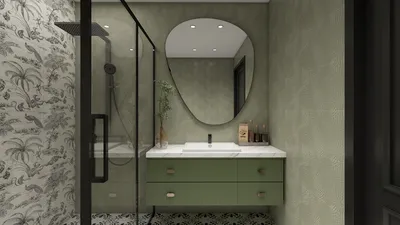


I once presented a client with three different paint samples, only to watch them debate for ten minutes about which shade created a "warm" ambiance in their compact living space—only to later discover that the overhead lighting we tested with was a sodium bulb, which cast an amber hue over everything. This taught me a valuable lesson: lighting can dramatically alter the perception of your favorite colors. If you're keen on accurately visualizing how paint colors will look in your space, it’s essential to think about when and how you're observing them. I often recommend that clients use tools like Homestyler to imagine their paint choices in a 3D environment before they commit to buying multiple gallons. This approach saves both time and emotional investment.
1. Examine Samples at Different Times of the Day
I always advise individuals to apply real paint samples on their walls and observe the shifts in color from morning through evening; natural light can make a significant difference. Although it requires patience, allowing swatches to remain on the wall for several days can reveal subtle undertones that may not be immediately visible.
save pin
2. Use Large Poster Boards Instead of Small Chips
Small paint chips can be deceptive. By painting larger poster boards and moving them throughout the room, you gain a better understanding of the color's scale and how it interacts with your furniture and flooring. This low-cost solution helps you see how shadows, reflections, and surrounding materials affect your color choice—minimal effort for a substantial return.
save pin
3. Leverage AR and AI Mockups for Quick Choices
When you're pressed for time, utilizing AI-assisted color mockups can provide you with numerous options in a matter of seconds. Although these technologies are not flawless—sometimes missing subtle undertones—they are incredibly useful for narrowing down selections before you proceed to physical samples.
save pin
4. Pay Attention to Undertones and Surrounding Finishes
Choosing paint color isn’t just about the hue; it's about how it interacts with the materials in your space. For instance, a gray might appear bluish next to steel appliances, while that same gray can look green when paired with a wooden floor. The key is to recognize these relationships early; I often take photos of the paint sample alongside essential furniture to evaluate it from different perspectives.
save pin
5. Visualize the Entire Room with a Basic Floor Plan
Sometimes it’s beneficial to consider the entire room layout—factoring in doors, windows, and furniture arrangements—so that the color complements the overall scene. For quick checks of how colors fit into the space, I recommend pairing paint samples with a free online floor plan creator like Homestyler to assess wall placements, sightlines, and the quantity of paint you’ll need. This may require a bit more effort upfront, but it certainly pays off by reducing the need for repainting later on.
save pin
FAQ
Q1: How do I ensure the paint appears consistent under various lighting? A1: Test samples in the actual lighting conditions you'll use—morning sun, midday rays, and evening artificial light. Capturing photos in each condition aids in later comparisons.
Q2: How many paint samples should I evaluate? A2: It’s prudent to try 3-5 options on larger boards. Using fewer than three may overlook better alternatives, while more than five can overwhelm you.
Q3: Can my smartphone’s camera provide accurate color representation? A3: Smartphone cameras can serve as handy tools for quick comparisons but may shift hues based on automatic white balance. Utilize them for notes rather than final decisions.
Q4: Are online visualizers accurate? A4: While visualizers are excellent for quickly exploring ideas, color accuracy may vary between devices. It’s imperative to cross-reference with physical swatches prior to purchasing full cans of paint.
Q5: Does sheen impact the perception of color? A5: Indeed, sheen can change how a color is perceived. Matte finishes conceal imperfections and soften hues, whereas gloss can enhance brightness by reflecting light. Always consider samples with the sheen you intend to use.
Q6: Any tips for staying within budget to avoid repainting? A6: Start small—test samples, use poster boards, and consider painting a single accent wall before committing to the entire room. This approach saves money and allows you to experience the color over time.
Q7: How long should I live with a paint sample? A7: Keep samples visible for at least 48-72 hours, ensuring you see them under various lighting conditions and moods. Quick impressions can often be misleading.
Q8: Are there professional resources available for further knowledge? A8: Absolutely—paint manufacturers often provide trustworthy guidance; for instance, Sherwin-Williams offers practical tips on selecting colors and testing samples (Source: Sherwin-Williams, https://www.sherwin-williams.com/homeowners/color).
save pin
Discover the joys of home design with Homestyler! This user-friendly online platform offers a fantastic design tool, stunning 3D renderings, and a wealth of inspiring projects and DIY video tutorials. Perfect for turning your creative ideas into reality, no matter your experience level!
Concevez maintenant gratuitement
































