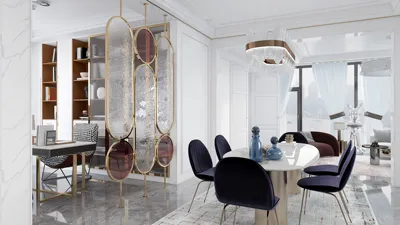


In a previous project, a client envisioned transforming their small living room into a beach house ambiance, despite being situated in a typically rainy city. We explored various off-white shades until the sofa mirrored the serene vibe of a pier. This experience illustrated how minute adjustments in off-white can alter the overall mood, enhance light reflection, and impact furniture selection. Consequently, I often encourage clients to visualize their furniture layout before committing to a paint color.
1. Warm Ivory — inviting yet not overly yellow
Warm ivory carries a hint of cream that renders a living room inviting, especially when complemented by wooden accents and brass fixtures. This shade conceals imperfections better than true white, but it may appear overly warm under low light — testing sample pots on different walls is advisable before making a final choice.
save pin
2. Greige Off-White — contemporary and adaptable
Greige, a combination of gray and beige, is my favorite go-to for clients seeking a neutral palette that isn't bland; it pairs beautifully with modern furniture and conceals dust on mid-toned upholstery. Be cautious, as this shade can feel chilly in north-facing rooms, so adding warmer textiles or area rugs can help achieve balance.
save pin
3. Soft Cool Off-White — airy and bright
Cool off-whites with subtle blue or green undertones create an illusion of space in compact living rooms. If you prefer a pristine aesthetic, this shade is ideal; however, these colors can feel sterile without the introduction of layered textures such as knitted throws, warm wooden elements, or ambient lighting. Tools like Homestyler can be incredibly helpful for clients when planning layouts and circulation around seating areas, allowing them to visualize and test different scales.
save pin
4. Creamy Off-White — soft and classic
Creamy off-white imparts warmth and adjusts nicely under yellow-toned light. It facilitates the blending of vintage items and modern designs, although it can slightly warm up white cabinets or trim, which may either enhance or detract from your overall palette depending on your selections.
save pin
5. Muted Bone — understated charm for diverse spaces
Bone, featuring a touch of gray and brown, introduces depth without overwhelming color; I often apply this shade for clients who desire their art and textiles to stand out. It's easy to maintain and adept at hiding scuffs, although it might make very small rooms feel heavier unless combined with reflective surfaces. If you're contemplating an open kitchen layout, this color can visually unify the kitchen workflow with the living area.
save pin
FAQ
Q: How do I decide between warm and cool off-white shades?
A: Examine the lighting in your room: northern exposures typically benefit from warm off-whites to counteract a chilly appearance, while southern exposures can accommodate cooler tones. Test larger swatches on various walls and observe during both morning and evening.
Q: Will an off-white color scheme make my small living room appear larger?
A: Yes, lighter off-whites enhance the perception of space by reflecting light, especially when ceilings and trim are painted in complementary light tones. Pairing off-whites with mirrors and low-profile furniture amplifies the effect.
Q: How do undertones influence furniture pairings?
A: Undertones (such as yellow, gray, or blue) dictate which wood and textile colors will complement one another. For instance, warm off-whites harmonize well with walnut, while cool off-whites are suited for bleached oak or chrome accents.
Q: Should the trim be the same off-white as the walls or a brighter white?
A: Using a brighter white for trim offers a sharp contrast that accentuates architectural features, while matching the trim color with the walls creates softer transitions. I frequently suggest experimenting with both options before finalizing your choice.
Q: How can I prevent my off-white finishes from looking dirty over time?
A: Opt for washable, mid-sheen paints in high-traffic areas and select undertones that disguise common marks; using semi-gloss on trim facilitates easier cleaning, while matte finishes on walls can hide surface texture.
Q: Does lighting affect my perception of off-white shades?
A: Absolutely — warm LED light accentuates yellow undertones, whereas cool LED light highlights blue and gray tones. Always review paint samples under your room’s actual lighting at various times throughout the day.
Q: What is LRV and why is it significant?
A: LRV, or Light Reflectance Value, indicates how much light a paint can reflect; a higher LRV correlates with brighter surfaces. Reputable paint manufacturers often provide LRV charts. For example, Sherwin-Williams offers an LRV guide useful for predicting paint performance in your space: https://www.sherwin-williams.com/paint-color/paint-lrv-chart.
Q: Any quick budget-friendly tips for repainting my living room?
A: Start with sample pots and test strips instead of committing to full gallons right away, refresh trim only if walls are in good condition, and consider painting the ceiling yourself to save on labor costs. Well-placed lighting and a few new throw pillows can refresh the space without a hefty expense.
save pin
Homestyler is your go-to online home design platform! With its user-friendly design tool, stunning 3D renderings, and a plethora of inspiring projects and DIY video tutorials, you can effortlessly transform your home design ideas into reality. Start creating your dream space today!
Progetta ora GRATIS
































