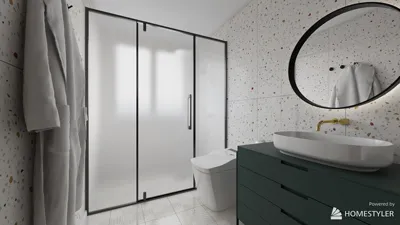


One of the most frequent challenges in Indonesian bathrooms is the clutter caused by soap, shampoo, skincare products, towels, and various toiletries scattered everywhere due to the lack of organized storage. Even spacious bathrooms can feel cramped and disorderly without the right cabinets to accommodate all these essentials.
A well-designed bathroom cabinet can transform the space completely—from a chaotic room into a tidy, neat area that feels like a personal spa. However, selecting the right bathroom cabinet isn't simple because the biggest challenge is the extreme humidity that can damage unsuitable materials within months. This article thoroughly explores how to choose the perfect bathroom cabinet.
Why Are Bathroom Cabinets Different from Other Furniture?
Bathrooms represent the harshest environment in a home regarding materials—constant steam from showers, direct water splashes, humidity often above 80%, and frequent temperature fluctuations. Materials not specially designed for these conditions tend to swell, mold, peel, or deteriorate very quickly.
This is why bathroom cabinets cannot be made from ordinary furniture materials. Every component—from cabinet materials, surface finishes, hinge hardware, drawer slides, to backing panels—must be selected with prolonged humidity exposure in mind.
Popular Types of Bathroom Cabinets
Vanity cabinets are the most common type—they combine the sink and cabinet into a single furniture unit. The usually unused space beneath the sink becomes practical storage for personal care products, tissues, and hygiene supplies. These come in freestanding versions standing on the floor or floating models attached to the wall for a modern look and easier floor cleaning.
Medicine cabinets with mirrors are popular as they double as hidden storage for medicines, skincare, razors, and small items that need to be accessible but out of sight, integrating two functions without occupying extra space.
Linen cabinets or towel closets are tall, narrow cabinets designed to store clean towels, spare clothes, and backup toiletries. Usually placed in corners or areas less exposed to moisture, they’re highly useful in bathrooms shared by multiple people or families requiring more towel storage.
Floating shelves offer decorative yet functional additional storage without taking floor space. Positioned above toilets, on empty walls, or corners, they’re ideal for small bathrooms where full cabinets might not fit.
Over-the-toilet cabinets make use of often wasted space above the toilet, adding significant storage capacity especially in tight bathrooms lacking other empty wall space for cabinets.
Built-in recessed cabinets are installed flush into the wall for a clean look that doesn’t consume bathroom space. However, they require early planning during construction or major renovations for wall recesses.
Essential Materials for Moisture-Resistant Bathroom Cabinets
Solid PVC is the top material for bathroom cabinets due to its excellent moisture resistance—fully waterproof, termite-proof, and resistant to swelling or warping even after many years of continuous water vapor exposure. Although it may lack a premium look, modern PVC can be designed to appear neat and clean.
Marine plywood is a more upscale alternative to PVC, providing better structural strength. Laminated with waterproof adhesives and finished with waterproof HPL or coatings, it creates long-lasting, premium-looking bathroom cabinets.
Moisture-resistant MDF is formulated for humid areas, usually distinguished by its greenish core. While more moisture-resistant than standard MDF, it’s not as durable as marine plywood but is more budget-friendly and offers a smooth surface ideal for painted or HPL finishes.
Aluminum frames paired with panels are gaining popularity for modern bathroom cabinets. Aluminum resists rust and moisture perfectly, combined with HPL, glass, or solid surface panels to give a stylish, durable finish.
Natural stone or solid surface materials used for shelves or sink countertops provide a luxurious, water-resistant aesthetic. Marble, granite, or artificial solid surfaces sealed properly offer unmatched elegance and durability.
Comparison of Bathroom Cabinet Materials
Trending Bathroom Cabinet Designs
Floating vanity cabinets, which hang on the wall without touching the floor, dominate contemporary bathroom design. They make the space feel more open by keeping the floor visible, simplify cleaning under the cabinet, and offer a sleek, minimalistic style. The standard height of floating vanities ranges from 80 to 90 cm from the floor for optimal sink usage.
Frameless medicine cabinets replace plain mirrors with hidden storage behind what appears as a simple mirror, favored for bathrooms seeking a clean appearance without visible clutter.
Open shelving combined with closed cabinets balances concealed storage for private items and open shelves for decorative or frequently used things like neatly folded towels, small plants, or scented candles, becoming increasingly popular in modern bathroom aesthetics.
Niches or wall recesses built directly into shower walls offer an elegant built-in solution for storing soap, shampoo, and other shower products without protruding shelves, maintaining a flush and tidy look.
Maximizing Storage in Small Bathrooms
Fully utilizing vertical space is key—tall cabinets from floor to ceiling or tiered shelves on empty walls can provide substantial storage without occupying additional floor area. The frequently wasted space above toilets can be optimized with over-the-toilet cabinets or hanging shelves.
Use cabinet doors for additional storage—thin racks attached inside medicine or vanity cabinet doors can hold small frequently used products without making the cabinet bulkier. Choosing mirrored cabinets over plain mirrors offers hidden storage without adding furniture bulk to small bathrooms.
Rust-Resistant Hardware Essentials for Bathroom Cabinets
Hardware such as hinges, drawer slides, handles, and screws are the most vulnerable parts to damage in humid bathrooms. Standard iron hardware will rust quickly. Stainless steel grade 304 or better should be used for all bathroom cabinet hardware. For fixtures exposed to direct water like shower niches, grade 316 stainless steel, which resists chlorides, is highly recommended.
Soft-close hinges are a small investment that greatly extend hardware life by preventing doors from slamming shut, a major cause of hinge damage over time.
Visualizing Bathroom Cabinet Designs with Homestyler
Choosing the right type and size of bathroom cabinet without visualizing it in the context of your entire bathroom often leads to disappointment. A vanity cabinet that looks proportionate in a catalog might overwhelm a 1.5x2 meter bathroom. A medicine cabinet might clash with existing tiles.
With Homestyler, available through a browser or desktop applications for Windows and macOS, you can design your bathroom comprehensively—selecting and positioning various cabinet types, experimenting with material and finish combinations, adjusting lighting, and viewing photorealistic 4K renders from multiple angles before committing to a purchase. This ensures every storage element is perfectly proportioned, harmonized, and functional for your actual bathroom space.
Estimating Bathroom Cabinet Costs
Conclusion
Investing in the right bathroom cabinet enhances daily comfort and organization. By selecting moisture-resistant materials suited for tropical humidity, choosing designs matching your bathroom’s size and style, using rust-proof quality hardware, and visualizing the setup digitally beforehand, your dream bathroom cabinet can become reality without unpleasant surprises.
Design your dream bathroom with optimized storage now using Homestyler—available free via browser or desktop apps for Windows and macOS. Start designing your ideal bathroom today.
FAQ
1. Which bathroom cabinet materials withstand humidity best?
Solid PVC and aluminum frames are the most resistant to extreme bathroom moisture—fully waterproof and immune to rust or swelling. For a premium look, marine plywood finished with waterproof HPL combines structural strength with high-end aesthetics.
2. Is a floating vanity cabinet better than a floor-standing one?
Floating vanities make bathrooms feel more spacious by exposing the floor, are easier to clean beneath, and present a modern look. However, floor-standing vanities provide greater stability for heavy loads and are easier to install without concerns about wall support strength.
3. Can I preview bathroom cabinet designs in 3D before purchase?
Yes, Homestyler can be used via browser or desktop apps to visualize various bathroom cabinet types and sizes within a full bathroom design context before making buying decisions.
4. What is the ideal height for a floating vanity cabinet?
Standard floating vanity height is 80–90 cm from floor to countertop surface, suitable for average adult use. For families with small children, 75–80 cm may provide a more comfortable compromise for everyone.
5. Are over-the-toilet cabinets safe and stable?
Properly installed over-the-toilet cabinets anchored securely to the wall are safe. Avoid models relying solely on the toilet’s weight as support without wall anchors, which can be hazardous, especially with children around.
6. Which hardware lasts longest for bathroom cabinets?
Stainless steel grade 304 or better is recommended for all bathroom cabinet hardware components. For parts exposed to direct water, grade 316 stainless steel offers superior chloride resistance. Soft-close hinges add durability and daily convenience.
7. How much bathroom storage is enough for a family of four?
A combination of floating vanity cabinets measuring 80–100 cm, a medicine cabinet above the sink, and a tall linen cabinet usually suffices. Adding an over-the-toilet cabinet if needed is helpful. Approximately 0.8–1.2 cubic meters of storage is a general guideline for average-sized families.
8. How to maintain bathroom cabinets for longevity?
Wipe cabinet surfaces regularly to prevent soap and product buildup. Ensure bathroom ventilation works well to reduce moisture accumulation. Periodically inspect base cabinets and wall joints for leaks before materials get damaged. Clean and lubricate hinges and drawer slides with silicone lubricant every six months.


Homestyler is a user-friendly online home design platform offering powerful 3D rendering tools, inspiring design projects, and helpful DIY video tutorials. It makes planning and visualizing your dream space easy and enjoyable, whether you're a beginner or a design enthusiast.
Design Now for FREE
































