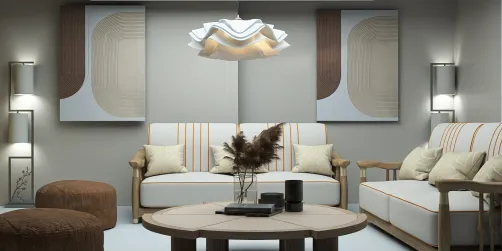
Once, I persuaded a client to opt for a deep moss green paint. However, I neglected to check how it would look in the afternoon sun. At 3 PM, the house resembled a theatrical backdrop, prompting a neighbor to inquire if we were opening a themed bar. That alarming experience solidified my understanding that the way light interacts with green is more transformative than with any other color. For a glimpse of how technology aids in visualizing these changes, consider exploring an AI home design tool I used to preview shades before committing to a complete repaint.
1. Soft Sage for Suburban Calm
I adore soft sage on suburban cottages due to its muted and timeless appearance from the street. This color pairs well with trim in cream or warm white and better conceals dirt compared to pure white. However, in overcast areas, it might appear flat, so introducing warm wood accents or copper hardware can enhance its depth.
save pin
2. Deep Forest for Dramatic Presence
Utilizing a deep forest green can ground a home, adding a touch of luxury; I applied it to a small Craftsman-style house, which significantly boosted its curb appeal. The main drawback is its tendency to highlight imperfections in the siding, necessitating high-quality, fade-resistant paint. When combined with black windows and brass hardware, the result is striking.
save pin
3. Two-Tone Green with Natural Accents
Using a darker shade for the main structure alongside a lighter green trim creates an attractive, layered look without overspending—think olive walls with soft moss accents. This strategy is ideal if you desire drama but worry about resale value; in one instance, I incorporated natural stone and drought-resistant plants to complement the design. Additionally, for kitchens visible from the outside, the kitchen layout concept we reviewed previously helped synchronize the exterior color with interior finishes.
save pin
4. Pastel Mint for Beachy, Airy Vibes
Pastel mint is lively and ideal for coastal cottages or bungalows, reflecting the blue sky and brightening porches. However, it tends to show dirt more easily and can seem overly sweet on larger façades. To ground this palette, I generally recommend pairing it with weathered gray decks or matte metal railings.
save pin
5. Green with Natural Texture: Shingles, Stone, and Wood
One of my favorite techniques is combining green paint with natural textures like cedar shingles, stacked stone, or reclaimed wood, which enhances the color’s vibrancy. While incorporating these materials can be slightly pricier, the increase in perceived value is substantial. To help clients visualize how green interacts with textures before they decide, I often create quick 3D renderings.
save pin
FAQ
Q: Will painting my house green negatively affect resale value?
A: This really depends on the neighborhood and the specific shade. Muted and classic greens, like sage or olive, typically enhance curb appeal, while very bright neon greens could deter potential buyers. It's crucial to consider local trends and to test a few swatches at various times throughout the day.
Q: What exterior paint finish is best for green tones?
A: A high-quality satin or low-sheen finish strikes a balance between durability and looks. While matte can disguise flaws, it's tougher to clean, whereas satin offers easier maintenance coupled with a subtle shine.
Q: How do climate and lighting influence green paint?
A: Northern overcast light tends to cool and mute greens, whereas southern sunlight warms and intensifies them. It’s always advisable to test large swatches on the actual wall and observe them over several days.
Q: Are there maintenance issues associated with green paint?
A: Dark greens can suffer from chalking and fading under sunlight over time. Regular cleaning and selecting fade-resistant exterior paints can minimize upkeep, although trim and accent areas might need more frequent touch-ups.
Q: Which colors work well with green exteriors?
A: Warm creams, soft charcoals, natural wood tones, and warm metals like brass or copper pair beautifully with greens—utilize contrast to prevent a washed-out appearance.
Q: Can green be used effectively on modern homes?
A: Certainly! Deep emeralds or muted olives, combined with sleek black or metallic accents, exude a modern and sophisticated vibe. Keeping embellishments minimal can help maintain a contemporary aesthetic.
Q: What types of paint are recommended for exterior green colors?
A: Experts, such as those from Sherwin-Williams, advocate for 100% acrylic latex exterior paints due to their durability and color retention. They resist cracking and fading better under UV exposure (refer to Sherwin-Williams insights at https://www.sherwin-williams.com/).
Q: How can I test green paint before making a commitment?
A: Apply several large swatches on various elevations and observe their appearance at dawn, noon, and dusk. If feasible, creating mock photos or simple 3D visualizations, like those in Homestyler, can provide a preview of the results before final application.
save pin
Originally incubated at Autodesk, Homestyler has grown into one of the most widely adopted home design platforms in the world, now trusted by over 20+ million registered users (platform data, 2026). Whether you're a homeowner exploring ideas or a professional designer delivering client-ready renders, Homestyler brings industry-leading 3D technology to your fingertips — no experience required.
Looking to transform your home? Homestyler is the ultimate online design platform! With its user-friendly design tool, stunning 3D renderings, and a wealth of DIY video tutorials, you can effortlessly create and visualize your dream spaces. Start designing today!
立即免费设计














![[11]](https://hs-designs.homestyler.com/production/design/images/2026-08-18/65655371-2e61-41bb-9e44-25116ade2000/1787043124071/10645029.jpg?x-oss-process=image/resize,w_502,m_mfit/format,webp)