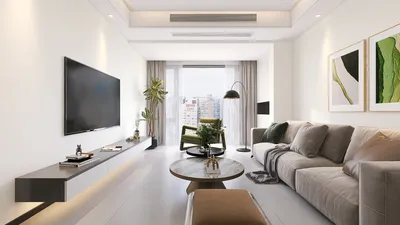


Outstanding gatherings commence in exceptional venues. In Salem, the top event spaces consistently utilize a proven approach: intelligent layouts, properly calibrated lighting, pleasant acoustics, and materials that are both comfortable and resilient. With over ten years dedicated to designing interiors for events and hospitality, I depend on data-driven benchmarks to enhance the atmosphere—since the feelings of comfort and ambiance can be quantified. According to WELL v2, social relaxation requires ambient illumination between 150 and 300 lux, with higher task lighting in areas where details are significant; IES recommends similar levels, suggesting 100 to 300 lux for lounge and multipurpose areas, and 300 to 500 lux on buffet or bar service counters. It has been noted in research by Steelcase that acoustic control is crucial for engagement, highlighting that noise and disruptions are primary detractors from the experience, especially when a DJ overlaps with speeches.
The arrangement of a space holds equal significance to its aesthetic. Gensler’s studies on workplace environments consistently demonstrate that clear spatial organization influences behavior; this principle is equally applicable to events—unambiguous circulation pathways reduce crowding and enhance interaction. Research by Herman Miller regarding human factors emphasizes the need for a balanced mix of standing and seated areas to avoid exhaustion and to cultivate engaging conversations; a typical mix of 60% standing to 40% seated often suits cocktail-style gatherings, while seated dinners reverse that ratio. When planning party halls in Salem, I visualize the flow and placement of furniture before it arrives; if you're imagining the capacity and movement within a room, utilizing a room layout tool can simplify tasks like determining aisle widths, buffet locations, and proportions of dance areas.
What Makes a Party Hall Truly Exceptional?
I focus on four crucial elements: versatile floor plans, adjustable lighting, effective acoustics, and durable materials. A flexible rectangular hall with a minimum clear span of 9 to 10 meters accommodates both banquet and cocktail arrangements without obstructing sightlines. Dimmable layered lighting—including ambient, accent, and decorative—facilitates transitions from welcome drinks to speeches and dancing. Aim for a balanced reverberation time of about 0.6 to 1.0 seconds in mid-frequency ranges for optimal social interaction; overly dry settings can impair ambience, while overly lively settings can hinder conversation. Select materials that resist stains, endure high-traffic areas, and control noise—solution-dyed carpet tiles, high-performance vinyl, and acoustic wall panels excel in this regard.
Understanding Capacity, Comfort, and Flow
Capacity isn’t merely a count of chairs; it involves how people interact. I maintain a gap of 1.4 to 1.6 meters between rows of banquet tables for service, a distance of 1.8 to 2.4 meters between the dance floor edge for safe movement, and a minimum of 1.2 meters for aisles to comply with safety codes while ensuring comfort. Bars function optimally with a meter of counter space for every 3 to 4 guests during peak times, and buffets require 1.5 to 2 meters of serving space per 20 guests to prevent long lines. Cluster lounge areas near the periphery to alleviate center congestion; position speeches against a raised focal point with dedicated AV sightlines to prevent anyone from being obstructed by a column.
Creating Ambiance with Lighting
Lighting serves as the emotional backbone of a celebration. I focus on three lighting layers: ambient lighting at 150 to 250 lux prior to dining, accent lighting for focal points such as floral arrangements at 300 to 500 lux, and decorative lighting (2200 to 2700K) through pendants or festoon lights to enhance faces and provide flattering illumination. Maintain the DJ area slightly dimmer (100 to 150 lux) with vibrant colors introduced only after speeches to prevent sightline disruptions and glare. If the venue employs cool-white downlights, incorporate warmer accent lighting at 2700 to 3000K to achieve balanced skin tones; the WELL Lighting concept further supports that controlling glare and utilizing flicker-free lighting reduces discomfort and eye strain.
Acoustic Considerations for an Enjoyable Experience
Successful parties seamlessly manage sound. I incorporate soft materials to cover 25 to 35% of wall space whenever feasible—using fabric panels, drapes, or acoustic art—to minimize echoes. Rugs or carpets covering 50 to 70% of the floor reduce foot noise and facilitate easy movement. Place subwoofers away from speaking areas; avoid corner placements that may cause overwhelming resonance. During mingling, keep background music at 70 to 75 dB, then reduce to 60 to 65 dB for speeches to ensure clarity without raising voices.
Harnessing Color Psychology for Atmosphere
Colors can subtly influence behavior. Warm neutrals and muted amber shades encourage conversation; rich blues may convey elegance but can also cool the atmosphere if lighting is too harsh. Research from Verywell Mind suggests that warm tones enhance perceived intimacy, whereas cooler colors instill calm. Catering to Salem's diverse event agendas—ranging from weddings to corporate gatherings—I establish neutral backgrounds and incorporate event branding through linens, floral designs, projection mapping, and programmable lighting, ensuring that the colors remain warm around faces and serve to define edges.
Sustainable Materials for Event Durability
Events can be tough on surfaces. I prefer solution-dyed fabrics for stain resistance, marine-grade vinyls for busy seating areas, and low-VOC finishes to enhance indoor air quality. While timber or stone bars have an elegant appearance, they require metal trim at edges that experience high traffic. If a venue features recycled carpets or FSC-certified wood options, choose those; selecting durable materials minimizes refresh cycles and keeps venues visually appealing for longer.
Tailored Layouts for Various Event Types
• Weddings: A central dance floor surrounded by banquet seating improves sightlines while keeping older guests away from speaker setups. Having two bars located in opposite corners minimizes wait times. Utilizing a layout simulation tool can assist in verifying table counts versus comfort on aisles.
• Corporate Events: Designate areas—a welcoming lounge, a moment for photos or demos, a bar, and a stage—to promote purposeful movement among guests. Ensure pathways are at least 1.5 meters clear for groups.
• Birthday or Social Mixers: Position high-top tables every 3 to 4 meters to encourage informal gatherings. Set up games or activities on the perimeters to help ease congestion in the center.
Vendor Accessibility, Storage, and Backend Operations
The behind-the-scenes operations can significantly impact timing. I require a minimum 2.4-meter-wide loading pathway, a setup area for 2 to 3 rolling racks, and designated storage for bins and decoration items. An ample power supply is crucial: provide separate 20A circuits for a DJ and lighting, along with clean circuits for catering needs. If a venue includes a preparation kitchen with at least 3 to 4 meters of uninterrupted counter space and handwashing stations, servicing flows smoothly without delays.
Accessibility, Location, and Parking Considerations
In Salem, being close to major thoroughfares and hotel clusters supports smooth late-night transitions and guest convenience. A covered entrance is essential for rainy days. Ensure compliance with ADA standards, including accessible routes, ramps, and restrooms, with pathways featuring a minimum 1.2 meters of clear width and ramp gradients of 1:12 for unimpeded mobility. Clear wayfinding and sufficient lighting from parking areas to the entrance, maintained at 10 to 20 lux outdoors, are crucial for safety and friendliness.
My Essential Criteria for the Top Halls in Salem
• A versatile floor plan featuring column-free spans or intelligent column placements
• Dimmable lighting options with layered designs and warm color temperatures
• Integrative acoustic treatments rather than afterthoughts
• Strong power, AV infrastructure, and blackout potential
• Adequate back-of-house storage, generous loading facilities, and catering support
• High-quality neutral finishes that are photogenic
• Transparent capacity charts for banquet, cocktail, and theater formats
• Responsive venue management with clear operational policies
Valuable Insights on Budget and Value
Value manifests in what you don't have to contract: lighting setups, drapes, risers, lounge seating, and audio-visual equipment. If a venue comes equipped with dimmable warm lighting, basic uplighting, and a dependable sound system, you can save time and costs. Prioritize spending on focal points such as tables, entry setups, and bar aesthetics; these essential elements establish the narrative in photographs.
Enhancing Guest Experience Through Thoughtful Touchpoints
Structure the event like a story: from arrival to welcome, mingling, speeches, dining, dancing, and farewell. Position photo opportunities at the entry to maximize enjoyment, maintain visibility of desserts (but avoid placing them in trafficked areas), and plan coat checks strategically to prevent congestion during exit. Ensure restroom areas are well-lit and easy to locate without overwhelming signage.
Credible References to Continue Learning
For standards on lighting and wellness, I adhere to WELL v2 recommendations concerning light quality, as well as IES guidelines for illuminance in gathering spaces. For insights on behavior and layout, I incorporate findings from Herman Miller and Steelcase regarding human factors and engagement principles into event design. More information is available at WELL v2 and Steelcase Research.
Frequently Asked Questions
Q1: What is the ideal brightness for a party hall to create a comfortable and social environment?
A: Target an ambient brightness of 150 to 300 lux to enhance social engagement, with 300 to 500 lux on focal areas or buffet stations. These recommendations align with both WELL v2 lighting standards and IES guidelines for multipurpose spaces.
Q2: What is the optimal ratio of seating to standing areas for cocktail events?
A: A ratio of 60% standing to 40% seated typically maintains high energy levels while preventing fatigue. For seated dining events, reverse this ratio based on human factors emphasized in Herman Miller’s workplace research.
Q3: How large should a dance floor be?
A: Allocate roughly 0.4 to 0.6 square meters per guest who wishes to dance. For 100 guests with 40 expected to dance simultaneously, a dance floor of 16 to 24 square meters is adequate; ensure additional space for movement.
Q4: How can I manage echo and enhance speech clarity?
A: Incorporate soft materials—such as carpeting or rugs covering 50 to 70% of the floor and fabric wall panels occupying 25 to 35% of the wall area. Schedule background music at 60 to 65 dB during speeches and keep subwoofers away from the speaking zone.
Q5: What color temperature is most flattering for guests in photographs?
A: Warm lighting ranging between 2200 to 2700K enhances skin tones and creates an inviting atmosphere. If overhead lights are cool, consider layering with warmer accent lights and moderating brightness to reduce glare.
Q6: What is the ideal aisle width for banquet seating?
A: Maintain a width of 1.4 to 1.6 meters between table rows for service efficiency and a minimum aisle width of 1.2 meters to facilitate comfortable movement. Increase space near bars and buffets as necessary.
Q7: What essential power and audio-visual provisions should be considered?
A: Separate 20A circuits for both DJ connections and lighting, clean circuits for catering use, blackout options for projections, and unobstructed sightlines are crucial. Conduct sound checks ahead of guest arrival.
Q8: How can I visualize various layout options before making a decision?
A: Employ an interior layout planner to simulate table arrangements, dance floors, and traffic circulation. A room design software like Homestyler can effectively help anticipate capacity and flow within minutes.
Q9: What is an effective bar setup to minimize long wait times?
A: Implement two bars located in opposite corners or a long central bar with multiple service points. Aim for about 1 meter of counter space per 3 to 4 guests during peak hours.
Q10: Which materials are best for handling spills and the wear from high heels?
A: Opt for solution-dyed fabrics, performance vinyls, and durable carpet tiles with strong backing to resist stains and damage. Protect high-traffic bar corners with metal edging.
Q11: How do I ensure a venue is accessible for all guests?
A: Ensure pathways are at least 1.2 meters clear, with ramps graded at 1:12 slope and accessible restrooms. Display clear signage and provide adequate outdoor lighting at 10 to 20 lux from parking to entrance.
Q12: What venue features can ultimately save on budget?
A: Features such as built-in dimmable lighting, basic uplighting, high-quality sound systems, risers, and lounge furniture reduce rental costs and setup duration. Transparent capacity charts can prevent over-ordering and other expenses.

Modern Minimalist Fabric U Shaped Sectional Sofa 3D Model
Modway Evie Arched Display Cabinet in Black Oak -

Homestyler is your go-to online home design platform, perfect for both novices and experienced designers. With its easy-to-use design tool, stunning 3D renderings, and a wealth of DIY video tutorials, you can effortlessly create and visualize your dream spaces. Transform your design ideas into reality today!
立即免费设计
































