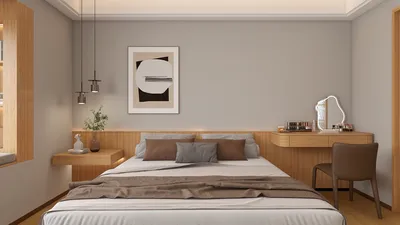


I once had a client who was adamant that their living room curtains reflect the exact hue of an avocado toast photo they loved on Instagram. After measuring and swatching, we ended up with a more vibrant and livable tone. This experience highlighted that choosing curtain colors involves a blend of emotions and an understanding of light, with the power to transform even the smallest of spaces. Particularly in compact areas, a bold curtain can serve as a striking piece of art, making the room feel either larger or cozier depending on how it’s styled.
1: Soft Neutrals with Texture
I frequently suggest warm neutrals—such as oatmeal, greige, or warm white—as they naturally reflect light and provide a serene canvas for changing decor. These shades offer great versatility: textured fabrics like linen or slub weaves add dimension without being too busy. A slight caution would be that very light fabrics may show dirt more easily, so I recommend opting for washable blends for family-friendly areas.
save pin
2: Deep Jewel Tones for Drama
Looking for a dramatic flair? Deep teal, emerald, or sapphire curtains can ground a living room and make the furniture stand out. I once used emerald velvet in a client's apartment, and it instantly transformed a modest sectional. One potential challenge is that these rich colors may absorb light, so it helps to balance them with metallic highlights or brighter walls to prevent a cave-like ambiance.
save pin
3: Pastels to Soften the Mood
Soft tones like powder blue, blush, or mint can work wonders in smaller, north-facing rooms where light tends to be cooler. Pastels help warm the atmosphere and pair beautifully with natural materials like wood and rattan. However, they can fade over time, so consider using UV-resistant fabrics if your windows receive direct sunlight.
save pin
4: Bold Patterns as Focal Points
If your walls are neutral, curtains with striking patterns—geometric, botanical, or ikat—can serve as the central feature of the room while also concealing stains more effectively than solid colors. I remember using a large floral print in a rental living room, and it quickly became everyone's favorite element. To maintain visual harmony, keep other patterns subtle to prevent chaos.
People sometimes assume patterned curtains are too bold; I suggest trying one striking panel and living with it for a month before deciding on a complete set.
save pin
5: Monochrome Matching for a High-End Look
Coordinating curtain colors with a dominant element in your decor—like a sofa or rug—creates a polished, gallery-like appearance. This is a method I employed in a small loft to harmonize various pieces. However, be wary of going too far with matching, as it can feel overly staged; mixing textures and incorporating a contrasting throw or cushion adds warmth and interest.
To effectively plan and visualize how curtain colors will look against your room's palette, I often utilize an online room planner, like Homestyler, to experiment with different shades before placing any orders for samples.
save pin
Tips 1:
A quick budget tip: solid cotton or blended sheer options can be budget-friendly, while velvet and blackout materials tend to be pricier but offer excellent light control. Always request fabric samples and test how they appear in both morning and evening light within your actual room. If you appreciate digital designs, consider using a 3D floor planner like Homestyler to visualize color combinations in situ.
save pin
FAQ
Q: What curtain color enlarges a small living room? A: Light, warm neutrals or pastel shades enhance light reflection and create a sense of space. Adding vertical stripes can also give the illusion of higher ceilings.
Q: Are dark curtains unsuitable for small rooms? A: Not necessarily—dark jewel tones can introduce depth and sophistication; just ensure you balance them with lighter walls and reflective surfaces to prevent a constricted feeling.
Q: What is the best curtain color for rooms with patterned furniture? A: Select a secondary or tertiary color from the furniture’s pattern to maintain harmony; solid colors or subtle textures work best alongside bold prints.
Q: What fabric is recommended for living room curtains? A: It varies based on preference: linen blends create a relaxed vibe, velvet adds luxury and blocks light effectively, while polyester blends are easy to maintain and budget-friendly.
Q: What measurements are ideal for curtains? A: Aim for curtain panels that are 1.5–3 times the width of the window for fullness, and install them high (6–10 inches above the window) to create an illusion of height.
Q: Can I mix curtain colors in an open-plan living space? A: Absolutely—use a cohesive element like a neutral base or a recurring accent color to ensure consistency across different zones.
Q: How can I prevent curtain colors from fading in the sun? A: Opt for UV-resistant fabrics or add a sheer layer to minimize direct sunlight exposure. For detailed guidance, refer to resources like the Textile Exchange for UV protection standards.
Q: How can I visualize curtain colors before making a purchase? A: Experiment with fabric samples in your room at various times of the day, or create digital designs using a free floor planning tool such as Homestyler to preview different combinations.
save pin
Homestyler is an exceptional online home design platform that empowers users to unleash their creativity. With its user-friendly design tool, stunning 3D renderings, and a wealth of inspiring design projects and DIY video tutorials, transforming your space has never been easier or more enjoyable!
Design Now for FREE
































