


Elevating high ceilings requires exceptional lighting that complements their splendor while addressing the practical aspects of delivering warm illumination to the living area. I seek chandeliers that harmonize scale, light output, and visual balance—pieces that anchor the space without being overpowering, providing a warm, glare-free, and layered glow that enhances the ambiance.
To ensure optimal performance, I begin with measurable targets. For living areas, achieving a range of 10 to 20 footcandles (fc) of ambient light is a reliable standard, while task areas aim for up to 30 fc; guidelines from the Illuminating Engineering Society (IES) supply recommended levels. In homes prioritizing wellness, a warm white light of 2700–3000K is advisable during the evening to foster circadian rhythms, in alignment with WELL v2 recommendations on light spectrum and glare reduction. These benchmarks focus the conversation on functionality beyond mere aesthetics. Furthermore, studies in color psychology suggest warm lighting enhances relaxation and social interactions, while cooler hues boost alertness—an overview from Verywell Mind provides a valuable foundation regarding how color intensity and temperature can affect mood.
In a spacious room, scale plays a pivotal role. As a guideline, the chandelier's diameter can be approximated by adding the room's width and length in feet and converting the sum to inches (for instance, in a 15' by 20' room, a 35" chandelier would be fitting). For double-height spaces, I often increase that by 10 to 20% or select multi-tiered fixtures to enhance vertical presence. The height at which to mount should typically place the lowest point between 7 to 7.5 feet above the finished floor in traffic areas; in seating zones, you can lower it slightly, provided the sightlines remain unobstructed. Utilizing a room layout planner is beneficial for simulating sightlines, pathways, and canopy positions prior to the electrical installation.
Architectural Considerations: Select a Design That Resonates with the Space
A tall room's structure resembles a vertical column; therefore, the chandelier should accentuate this height. In spaces with coffered or beamed ceilings, linear multi-pendant or elongated fixtures can gracefully span the grid. For domed or vaulted areas, tiered crystal or drum chandeliers help reinforce symmetry. In modern lofts, sculptural rings or minimalist cascades maintain unobstructed sightlines while delivering layered lighting. I prefer designs that complement downward and diffuse illumination—direct light for tasks, a soft glow for ambiance, and accent uplight if you wish to highlight the ceiling architecture.
Light Quality: Understanding Color Temperature, Dimming, and Glare
Comfort depends on three essential elements: a warm color temperature of 2700–3000K during evenings, a high CRI (90+) for precise color rendering, and a well-thought-out dimming system. I combine chandeliers with dim-to-warm LED modules or drivers, allowing light to transition from bright task lighting to a flickering candlelight atmosphere. Controlling glare is crucial; opt for diffusers, prismatic glass, or angled shields that minimize direct light exposure. If entertaining frequently, a dimming strategy featuring at least three tailored presets (Welcome, Conversation, Movie Night) ensures a consistently enjoyable experience.
Proportions and Drop Length
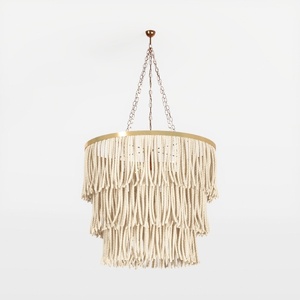
For ceilings that rise 12 feet or more, single-tier fixtures can often appear lost. Multi-tiered or cascading pendants effectively occupy vertical space and bring the luminous volume closer to inhabitants. Typical drops for chains or stems range from 4 to 8 feet in lofty living spaces; always verify clearance above furniture and pathways. In double-height settings (16–20 feet), a two or three-tier chandelier with a diameter of 45 to 60 inches and a drop of 6 to 10 feet is common, but final placement should adhere to the seating arrangement. Use an interior design planner to ensure focal alignment above coffee tables or gathering spots: interior design planner.
Styles That Enhance Tall Living Rooms
Classic and dramatic. Multi-tiered crystal chandeliers diffuse light into a gentle brilliance, perfect for formal living spaces. Choose dimmable LEDs with warm tones to prevent overly sterile reflections; crystal can amplify glare if not balanced properly.
Sleek minimalism. Suspended rings with embedded LEDs provide uninterrupted, diffuse illumination. Staggered configurations generate a sense of verticality, making them ideal for spaces beneath skylights or atriums.
Dynamic focal attractions. Chandeliers featuring multiple arms cast light broadly. Select shaded or frosted bulbs to soften strong highlights, particularly effective in glossy finishes.
Textile or metal shades offer diffuse light with gentle cutoff, making them fitting for media-oriented living spaces. Drum shapes can easily scale up to 36–48 inches in diameter.
Perfect above elongated seating arrangements. Combine both clear and opal glass to harmonize sparkle and subtlety.
Layered Lighting: The Chandelier as the Core, Not the Complete Solution
High ceilings frequently create an imbalance of luminance, with brightness concentrated above and dim lighting below. To mitigate this, I incorporate wall washers to enhance vertical surfaces (heightening perceived brightness), table lamps for functionality and coziness, and discreet spotlights to showcase artwork. This trio guarantees visual ease and added depth. If the acoustics tend to be lively, consider fabric shades or felt rings; they assist in minimizing echo while softening light quality.
Materials and Eco-Friendliness
Seek fixtures equipped with replaceable LED modules, rather than sealed ones, to prolong their life span and lower waste. Metal finishes featuring low-VOC coatings and FSC-certified wood accents are wise choices. Utilizing recycled glass or crystal can be both aesthetically pleasing and environmentally responsible. Ensure the quality of driving components; inferior drivers may produce flickering when dimmed, compromising comfort.
Mounting, Canopies, and Framework
In lofty spaces, the canopy and junction box require secure installation, ideally mounted to proper blocking or a dedicated support plate. Heavy fixtures (exceeding 50 lbs) necessitate sturdy hardware and, depending on local regulations, specific installation standards. If your ceiling is sloped, a hang-straight canopy or adjustable stem is essential. Pre-wire for controls during the planning phase—scene control options, dim-to-warm drivers, and potential smart integration—ensuring flexibility in brightness levels is maintained.
Color Psychology and Atmosphere
Warm lighting pairs beautifully with earth-toned interiors, promoting relaxation and social warmth. Cooler whites enhance contrast in modern monochrome settings, but can feel harsh once evening falls. Use your chandelier to emphasize the room’s emotive goal: welcoming, intimate, or gallery-like presentation. If the space accommodates both casual dialogues and media engagement, prioritize warmer tones and deeper dimming capabilities.
Acoustic Comfort and Visual Harmony
Tall rooms often generate auditory echoes. Soft furnishings such as shades, rugs, and upholstery can help absorb sound, and a chandelier designed with layered diffusers reduces harsh reflections. To achieve visual balance, distribute illuminated surfaces at varying heights—the chandelier at the apex, sconces at mid-level, and lamps at the height of sitting areas—providing the eye with comfortable focal points.
My Recommended Selections Based on Ceiling Height
A substantial single-tier drum or two-tier halo, 30–40 inches in diameter, outfitted with 2700–3000K LEDs, CRI of 90+, and dim-to-warm functionality.
Two-tier crystal or staggered rings, 40–50 inches in diameter, along with wall washers to sustain balance at floor level.
Three-tier chandeliers or cascading pendants, 50–60 inches in diameter; plan for a drop of 6 to 10 feet with layered circuits.
Installation and Safety Guidelines
Verify the total weight along with structural support capabilities, employ licensed installers for heavy fixtures, and test all dimming settings prior to establishing the final height. When dealing with open stair configurations, ensure fall protection measures are in place during installation, and manage all cords neatly.
Authoritative Resources
For in-depth technical information on recommended lighting levels and glare considerations, refer to the IES standards. Regarding human comfort, spectrum management, and controllability, WELL v2 provides beneficial criteria. Insights into mood and perception through color can be found in the helpful overview from Verywell Mind.
Frequently Asked Questions
To determine the starting diameter of your chandelier, add the length and width of the room in feet, using that sum in inches. In double-height areas, consider increasing by 10 to 20% or choosing multi-tier fixtures to fill vertical space appropriately.
Ensure a clearance of 7 to 7.5 feet below the fixture in circulation areas. Over seating, it is often acceptable to drop slightly lower if the sightlines remain clear. Tall rooms may require stem or chain lengths ranging from 4 to 10 feet.
Utilize a color temperature of 2700–3000K for evening comfort, paired with dim-to-warm LEDs to allow for versatile ambiance. Cooler whites (3500–4000K) can suit modern, daylight-focused designs but might feel overly stark after sunset.
Select fixtures featuring diffusers, frosted glass, or shielded optics. Aim for LEDs with a high CRI (90+) and sidestep exposed point-source diodes at eye level to reduce glare.
Certainly. Incorporate wall washing, table lamps, and accent spots to balance brightness at eye level and enhance visual depth. A chandelier alone may not provide sufficient lighting for the seating area.
Implement a scene-based dimming system with at least three customizable presets (Welcome, Conversation, Movie Night). Combine this with dim-to-warm drivers for seamless transitions and ensure there is no flicker at lower levels.
Hard reflective spaces can amplify echoes. Consider incorporating fabric shades, felt details, and diffusers to soften sound reflections. Coupled with rugs and upholstered furniture, these elements can enhance acoustical comfort.
Absolutely. LEDs are known for their energy efficiency, longevity, and controllability. Seek fixtures equipped with replaceable modules and quality drivers to ensure flicker-free dimming performance.
Definitely. Linear multi-pendants align beautifully with long seating arrangements or architectural beams. Always check the scale and drop length to maintain balance and harmony in design.
Utilize a layout simulation tool to visualize furniture, circulation paths, and focal points to effectively position the canopy and confirm the chandelier's diameter and drop length.


Homestyler is your go-to online platform for effortless home design. With its user-friendly design tool, stunning 3D renderings, and a wealth of inspiring design projects and video tutorials, you can easily create and visualize your dream spaces—no experience needed!
Design Now for FREE
































