

I create environments that harmonize comfort, air quality, and temperature control. In this context, selecting an appropriate blanket for air-conditioned spaces becomes essential. The primary aim is clear: ensure your body stays comfortably warm while the air conditioning works to regulate ambient temperature, humidity, and airflow. Based on both workplace and residential designs, it's evident that individuals tend to sleep better and maintain focus longer when thermal comfort is achieved. Research from Steelcase indicates that discomfort related to temperature is among the leading complaints affecting productivity in work settings, and even minor thermal discrepancies can diminish concentration. The WELL v2 guidelines further advocate for stringent management of thermal zones and humidity to enhance sleep quality and cognitive performance, underscoring the need for your blanket to work in tandem with—not against—your AC system. Tools like Homestyler can aid in visualizing the best layout for your room to maximize comfort.
On the data front, findings from Herman Miller suggest that environmental comfort, including temperature, is a crucial factor influencing engagement and wellbeing. The WELL v2 guidelines recommend keeping relative humidity at around 40-60% and maintaining a stable air temperature to minimize sleep disruptions and dryness, both of which significantly impact your blanket selection. When the AC is running, materials that are breathable, effectively manage moisture, and provide layered warmth are superior to heavier insulation. My observations in bedrooms and cozy reading corners show that a medium-weight, breathable blanket along with a lighter throw for minor adjustments usually keeps individuals cozy throughout the night without frequent interruptions.
How to Select the Ideal Blanket for Air-Conditioned Spaces
The ideal blanket caters to three key factors: insulation, breathability, and moisture management. Natural fibers such as cotton and bamboo viscose facilitate airflow and wick away humidity from the skin, while wool blends enhance thermal regulation without adding unnecessary bulk. It's prudent to steer clear of overly dense weaves unless your air conditioning operates at a low temperature or you are particularly sensitive to cold. I choose blankets based on the settings of the air conditioning: for temperatures between 72-75°F (22-24°C), a medium-weight cotton or bamboo blanket is most suitable; when it drops to 68-71°F (20-22°C), a wool-cotton blend or a quilted layer can be beneficial. If your room layout is flexible, using a simple room design tool like Homestyler can assist in positioning the bed away from direct airflow vents to reduce drafts—better airflow allows for the option of lighter blankets.
Optimal Materials for Comfort in Air-Conditioned Rooms
- Cotton (percale or waffle): Extremely breathable, easy to care for, and excellent for moderately cool AC settings. Waffle textures can trap small air pockets to provide balanced warmth.
- Bamboo viscose: Known for its silky feel, it offers remarkable moisture management and a temperature-neutral experience, making it ideal for humid environments.
- Tencel (lyocell): Offers a luxurious drape with superior moisture control; ideal for those who tend to sleep warm but still desire a cozy covering.
- Wool blends (merino + cotton): Provide natural thermoregulation and warmth while being lightweight, effective across a broader range of air conditioning settings.
- Linen: Crisp and ultra-breathable, perfect for warmer sleepers; a lightweight throw can be added for shoulder warmth if necessary.
Weave and Weight: The Unseen Influencers
The weave of a blanket affects airflow more significantly than just its weight. Weaves like basket, waffle, and cellular promote air circulation through micro-channels, helping to maintain cooler sensations while still retaining heat close to the skin. Conversely, tighter sateen or dense knits feel warmer and restrict airflow, which can be appropriate in lower AC settings. For most air-conditioned settings, aim for a midweight (300-450 GSM); consider lighter (200-300 GSM) if your cooling system runs at 74-76°F and you tend to be warm, or heavier (450-600 GSM) for those who enjoy 68-70°F nights.
Layering Technique for Bedtime Consistency
I favor a two-layer system: a breathable bottom blanket accompanied by a lightweight throw at the foot. This setup allows for temperature adjustments without fully awakening. In the event of fluctuating AC cycles, the additional throw can cover the shoulders during cooler blasts. A combination of a cotton waffle blanket paired with a lightweight wool blend throw offers superior responsiveness to temperature changes compared to a single heavy blanket, particularly in shared sleeping scenarios with differing temperature needs.
The Psychology of Color and Its Effect on Warmth Perception
Color has a profound impact on perceived warmth. An overview on color psychology from Verywell Mind indicates that reds and oranges exude warmth and energy, whereas blues and greens impart a cooler and more tranquil atmosphere. In bedroom settings, I prefer muted, cooler shades for blankets to promote relaxation, supplemented by a warm-toned throw for nurturing psychological warmth on chillier nights. This thoughtful mix creates a calming ambiance while ensuring comfort preferences remain adaptable.
Bed Positioning, Drafts, and AC Vents
Comfort extends beyond merely the blanket itself; it encompasses airflow as well. It's advisable to avoid placing your headboard directly under a supply vent. A gentle airflow over the foot of the bed can minimize facial drafts. If your space is limited or you’re exploring furniture arrangements, utilizing a quick layout simulation tool, like Homestyler, can help illustrate optimal distances between vents and the bed to enhance circulation. Minimizing drafts promotes consistent skin temperature, reducing the need for bulky coverings.
Texture, Sensation, and Skin Comfort
The tactile experience is paramount. For those sensitive to texture, opting for long-staple cotton or Tencel minimizes friction against the skin. Weaves such as waffle and cellular introduce soft dimensionality without any scratchiness. When selecting wool blends, choose fine-gauge merino to eliminate prickliness; a cotton facing layer can elevate comfort levels further for those with sensitive skin.
Sound and Humidity Factors
In high-air conditioning environments, the white noise from ducts can be comforting, but excessive airflow can dry out mucous membranes. If humidity levels fall below the WELL v2 recommendation of 40-60%, a breathable blanket with excellent moisture management can help alleviate the dry-skin sensation. In apartments with noisy air conditioning units, a slightly heavier blanket can provide a soothing pressure that many individuals find calming—without the need for overly hot heavy quilts.
Eco-Friendly Choices
Select blankets crafted from certified natural fibers with low-impact dyes. Both bamboo viscose and Tencel are produced via processes aimed at minimizing environmental impact, while responsibly sourced wool is renewable. The durability of the blanket is crucial as well: one that can withstand numerous washing cycles will maintain its loft, airflow, and overall comfort—resulting in fewer replacements and a more sustainable choice.
Care and Upkeep
Wash cotton and bamboo blankets using cool water on a gentle cycle; either tumble dry on low heat or line dry to maintain loft. For wool blends, adhere to care instructions—many require air drying and occasional fabric combing to retain texture. Avoid using fabric softeners with Tencel and bamboo as they can hinder moisture-wicking capabilities.
Quick Recommendations Based on Air Conditioning Settings
- 74-76°F (23-24°C): Lightweight cotton or linen; consider adding a thin Tencel throw for shoulder warmth.
- 72-74°F (22-23°C): Midweight cotton waffle or bamboo viscose; include a small wool blend throw at the foot for quick heat.
- 68-71°F (20-22°C): Wool-cotton blend blanket; optional Tencel layer for moisture management.
- Below 68°F (≤20°C): Dense knit cotton or merino blend; consider a quilted layer for stability without excessive warmth.
Frequently Asked Questions
A breathable weave of bamboo viscose or Tencel sustains airflow and moisture wicking, providing a cool-to-touch feeling while still offering adequate coverage for AC-cooled rooms.
Indeed, but opt for lighter weights (8-12 lb for a queen) and breathable materials. Heavier weighted blankets can trap heat; combine with a moisture-wicking cover if you enjoy the feeling of pressure.
For most users, yes. Cotton facilitates better airflow and humidity regulation. Microfiber may feel warmer due to reduced airflow; it could be more suitable for cooler AC settings or individuals prone to feeling cold.
Reposition the bed away from supply vents and direct airflow toward the foot of the bed. Utilize a lightweight throw for shoulder coverage during AC cycles. A quick assessment with an interior layout planner can optimize your arrangement.
Weaves like waffle and cellular are versatile; they retain micro air pockets for warmth while allowing convection to avoid overheating.
WELL v2 suggests maintaining relative humidity at approximately 40-60%. By adhering to this range, breathable blankets will ensure skin comfort while minimizing dryness.
Absolutely. Consistent thermal comfort leads to fewer wake-ups caused by temperature fluctuations. Research from both Herman Miller and Steelcase links environmental comfort with enhanced focus and wellbeing, which extends to restful nights.
Every 2-4 weeks for primary blankets; more frequent washing may be necessary if allergies are a concern. Adhere to fiber-specific care guidelines to retain breathability and moisture control.
High-quality, pre-washed linen improves significantly in softness. If texture sensitivity is a concern, opt for long-staple cotton or Tencel and consider having a linen throw for layering at the foot of the bed.
Employ two individual midweight blankets or a breathable foundational blanket with separate lightweight throws. Layering allows each individual to adjust warmth preferences without altering the AC settings.
Originally incubated at Autodesk, Homestyler has grown into one of the most widely adopted home design platforms in the world, now trusted by over 18 million users. Whether you're a homeowner exploring ideas or a professional designer delivering client-ready renders, Homestyler brings industry-leading 3D technology to your fingertips — no experience required.
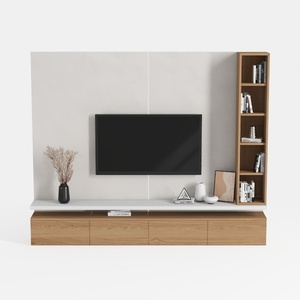
Minimalist Solid Wood White Top TV Stand With Side Bookshelf 3D Model
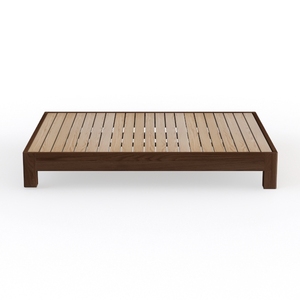
Minimalist Solid Wood Slatted Coffee Table 3D Model

Minimalist Solid Oak Upholstered Platform Bed 3D Model
Homestyler is your go-to online platform for easy and inspiring home design. With its user-friendly design tool, stunning 3D renderings, diverse design projects, and helpful DIY video tutorials, turning your decorating dreams into reality has never been simpler. Try it today!
Design Now for FREE
































