


I have revitalized numerous bedrooms for clients seeking to create a serene and refreshing atmosphere that matches their visual design. An effective room freshener transcends simply masking unpleasant smells; it harmonizes with the space's lighting, materials, and everyday practices. Research on wellness in workplaces and residential settings has demonstrated that both scent and air quality play significant roles in how comfortable and pleasant a space feels. According to Steelcase, ensuring sensory comfort is essential for satisfaction in spaces where people spend extended periods. The WELL v2 standard also highlights that maintaining clean air, controlling low VOCs, and managing odors can profoundly influence our overall wellbeing, which guides my recommendations for bedroom environments.
Data supports what I witness in my projects: the guidelines provided by WELL v2 set specific limits for VOC levels and advocate for measures to address odors at their source. Steelcase's findings emphasize the importance of sensory elements in fostering a calm and concentrated environment. This factor is particularly crucial in bedrooms, where both heart rate and light reduce to prepare the brain for sleep. The connection between scent and color is notable—research from Verywell Mind indicates that calming colors like blue and soft greens can reduce stress, pairing nicely with low-intensity botanical or herbal scents for restful sleep. For further insights into optimizing posture, lighting, and comfort thresholds in your space, WELL v2 offers valuable resources on air quality and scent (v2.wellcertified.com), which I regularly incorporate in my clients' routines.
What Makes a Bedroom Freshener Effective
An optimal bedroom freshener strikes a balance among three key factors: low-VOC formulations, appropriate diffusion rates, and scent families that do not clash with the ideal lighting for sleep. Bedrooms typically require lower light levels (generally between 50–150 lux for winding down, according to IES recommendations) and warm color temperatures (2700–3000K). Strong, sweet fragrances can become overwhelming under warm lighting, while lighter herbal scents (like lavender or clary sage), airy woods (such as cedar or sandalwood), and gentle citrus notes (like bergamot) remain elegant and soothing.
Top Trusted Freshener Options for Bedrooms
Opt for consistent, low-profile diffusers that utilize zero flame and exhibit minimal VOC emissions when selecting high-quality carriers (like plant-derived solvents or glycerin blends). Position them away from direct sunlight and HVAC returns to prevent rapid scent loss. It’s advisable to refresh the reeds no more than once a week to maintain a moderate intensity.
Water-based ultrasonic diffusers disperse a diluted aroma for brief periods (30–90 minutes), making them perfect for pre-sleep routines. Always use pure, verified essential oils and be sure to stop their operation 30 minutes before bedtime to avoid overwhelming scent exposure. Remember to clean the water reservoir weekly to prevent unwanted odors.
These fresheners work wonders on sheets, drapes, and upholstered headboards. When selecting products, look for low-alcohol bases and ensure third-party verification regarding fragrance allergens. A light spray across bedding is sufficient; applying more rarely yields better results.
Ideal for use in closets and under-bed storage, these fresheners help maintain subtle odor control. Opt for neutralizers that contain activated carbon or plant-based absorbers instead of heavy fragrances.
For bathroom suites, consider using a neutralizer containing zinc ricinoleate or cyclodextrins to capture odorous molecules effectively. Keep spray products in the bathroom to limit scent intensification in your sleeping area.
Scent Families That Are Suitable for Nighttime Use
Strategies for Effective Placement, Lighting, and Airflow
Position diffusers 6–8 feet from the bed on a stable surface and away from heat sources. Avoid directing fans at a diffuser, as this might create uneven scent dispersal. Align your room’s lighting schedule accordingly—using dim-to-warm lighting at 2700K during the hour leading up to bed will soften the scent experience. Additionally, if you are experimenting with different bedroom layouts, utilizing a layout simulation tool can assist in testing diffuser and air vent positions relative to your bed: Homestyler is a useful tool for this purpose.
Considerations for Materials and VOCs
Bedrooms frequently contain foam mattresses, synthetic paints, and textiles that release more VOCs when warmed. Choose fresheners that disclose all ingredients transparently, feature low-VOC carriers, and comply with IFRA fragrance levels. It is also wise to combine these with breathable materials like cotton percale or linen, paired with a HEPA-type air purifier if you have sensitivities. Using the WELL v2 framework for source control and filtration serves as a helpful guide in determining your individual thresholds (v2.wellcertified.com).
The Ergonomics of Ritual: Timing and Intensity
I encourage clients to perceive fragrance as adjustable as lighting. Initiate a diffuser on a low setting 60–90 minutes prior to bedtime and cease operation 20–30 minutes before lights out. For reed diffusers, consider starting with 3–4 reeds for a gentler scent intensity and adjust according to preference. Linen sprays work best following nightly turn-down routines, allowing a faint scent to linger as you settle down to sleep.
Acoustics, Sleep, and Scent Perception Dynamics
Quiet environments enhance scent perception. If you use white noise machines, you may tolerate slightly stronger scents. Soft furnishings—area rugs, upholstered surfaces, and layered curtains—help absorb sound and delicately alter how scents linger by reducing drafts. If you are reorganizing furniture and soft finishes, be sure to reassess the scent afterward, since airflow patterns can shift with each layout adjustment.
My Recommended Solutions for Various Bedroom Scenarios
Passive reed diffusers with 3–4 reeds can be effective, or consider a fabric spray nightly. Maintain a low intensity, as smaller amounts can amplify the aroma.
Pair a neutralizing spray for bathrooms with a separate, subtler diffuser for the bedroom to avoid scent clashes.
Prioritize unscented odor absorbers (like activated carbon) and occasionally utilize a very light linen spray. When using essential oils, check for potential allergens like linalool or limonene if you have sensitivities.
Select universally appealing scents—such as green tea, soft cedar, or clean cotton accords—and keep it simple to accommodate different sensitivities.
Maintenance and Care for Your Bedroom Fresheners
Frequently Asked Questions
Aim for a light to moderate scent. Strive for a soft, background note that is noticeable only when paused. This consideration respects your nervous system's relaxation needs and pairs well with warm 2700K lighting.
Not inherently; both can be beneficial if they adhere to low-VOC and safety standards. Conduct patch tests on linens and start with short diffusion sessions initially.
Soft citrus scents like bergamot, gentle woodsy aromas, and green tea accords can enhance the atmosphere without causing drowsiness.
Utilize fewer reeds (3–4) and shorten diffuser run times (30–45 minutes). Allow for five minutes of ventilation before bedtime.
Indeed, warm, subdued lighting can make sweeter notes more apparent. Cooler, brighter lighting emphasizes citrus and herbal fragrances better. Align warm evening lighting with subtle botanicals or woodsy scents for optimal results.
Address odors at their origins first, such as laundry cycles or pet areas. Employ activated carbon or HEPA filtration, then layer on a light fragrance.
Use with care; choose low-VOC cartridges with clear labels, and keep them positioned away from the bed to limit continuous inhalation while sleeping.
Avoid flipping the reeds more than once a week to preserve the diffuser's lifespan and maintain intensity.
These help in enclosed spaces like closets or drawers. Opt for odor-absorbing variants instead of heavy perfume gels in sleeping areas.
Run an ultrasonic diffuser on a low setting for 45–60 minutes, stopping 20–30 minutes before sleep, and maintain the bedroom lighting at a warm 2700K.
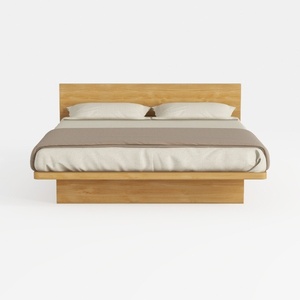
Vibe Gel Memory Foam Mattress, 12-Inch CertiPUR-US


Modern Minimalist Solid Wood Metal Platform Bed With Upholstered Headboard 3D Model

Solid Wood Kids House Bunk Bed With Cabinet Storage 3D Model
Homestyler is your go-to online home design platform, perfect for both beginners and experienced designers. It offers an intuitive design tool, stunning 3D renderings, a multitude of design projects, and helpful video tutorials to inspire and guide you every step of the way. Transform your space today!
Design Now for FREE
































