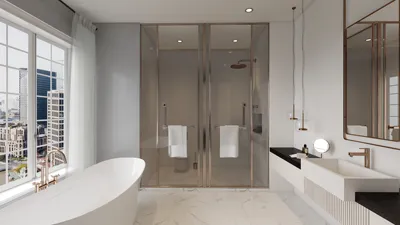


Admitting my past mistakes is part of growth in my design journey. Early on, I once painted a cozy rental bedroom a muddy brown; the client desired a ‘warm and dramatic’ atmosphere, but it turned the space into a cavernous void. This experience taught me a valuable lesson: color choices in small areas can either enhance or detract from the room's appeal. If you're seeking practical insights on how color interacts with different layouts, I often recommend starting with a layout case study approach.
1. Gentle warm neutrals for an expanded, calming effect
I often suggest warm greiges or soft taupes with hints of yellow or peach in their undertones. These colors have the ability to reflect light without coming across as sterile, making even the tiniest living areas feel both inviting and more spacious. The advantage? They offer a timeless aesthetic that’s simple to style. However, it’s essential to be cautious as the undertones can shift with varying lighting, so always test paint swatches in different areas.
save pin
2. Monochromatic color schemes with varied textures
Employing a cohesive color scheme from floor to ceiling while incorporating matte paints, glossy trims, and textured fabrics introduces depth without adding visual clutter. I applied this technique in a 35 square meter apartment, where the uniform color made the layout appear larger while varied textures prevented it from feeling flat. While it can be budget-friendly, you might invest more in quality fabrics or textured wallpapers.
save pin
3. Subtle pastels contrasted with bright white trim
Soft pastels like dusty blues, mint greens, or blush can create an illusion of spaciousness when combined with bright white trim. I recommend that my clients experiment with samples across a wall, observing them in both morning and evening light; alternatively, they can mock up designs on sample floor plans first. This combination is fresh and chic; however, be mindful that pastels can appear colder in north-facing rooms, so complement them with warm wood accents.
save pin
4. Thoughtful accent walls (but keep them minimal)
Rather than painting an entire small room in dark hues, I prefer to incorporate accents on a single short wall or within a recessed niche. A charcoal or deep green accent wall can infuse drama and help anchor furniture without making the room feel cramped. This strategy is cost-effective with significant impact, though attention to furniture arrangement is necessary to avoid an overpowering effect from the accent.
save pin
5. Two-tone vertical sections to create a feeling of height
Painting the lower third of a wall in a slightly darker tone, with the upper section a lighter hue (or painting the ceiling in a lighter shade than the walls) can trick the eye into perceiving greater height. I've utilized this technique effectively in small kitchens; you can further explore proportions through a kitchen layout case study. Ensure your dividing line is precise, so it is worth investing in painter’s tape or hiring professional assistance.
save pin
FAQ
Q1: Which paint colors are best to make a small room appear larger?
A: Light-reflecting neutrals and soft pastels generally enhance the visual openness of a space. Opt for shades with higher lightness levels and always test samples under real lighting conditions before finalizing your choice.
Q2: Should the ceiling be a lighter shade than the walls in a confined space?
A: Absolutely — a ceiling painted a shade lighter creates a vertical contrast that makes the area feel more spacious. Stark white ceilings can be overly harsh; a gentle off-white is usually more effective.
Q3: Are dark colors completely unsuitable for small rooms?
A: Not at all. Dark tones can bring elegance if applied judiciously as an accent rather than on all walls. Entire rooms painted in dark colors require ample lighting and carefully chosen furnishings to avoid feeling constricting.
Q4: How do I select the right paint finish for small spaces?
A: Eggshell or satin finishes are excellent for walls, as they provide just enough light reflection to feel open while concealing imperfections. Gloss is best reserved for trims and doors to frame the room beautifully.
Q5: How many paint samples should I consider testing?
A: I suggest sampling at least 3 to 5 larger swatches on varied walls, observing them throughout the day. Small chips can often mislead when it comes to assessing undertones effectively.
Q6: How significantly does lighting affect my paint color choice?
A: Immensely. Natural light alters undertones, while warm artificial lighting can heat up colors. Understanding Light Reflectance Value (LRV) is essential for predicting how light or dark a paint will appear, as explained by Sherwin-Williams (see: https://www.sherwin-williams.com/ideas/color/paint-colors-color-and-design/color-selection/light-reflectance-value).
Q7: Is it advisable to use the same color across adjacent smaller rooms?
A: Definitely — maintaining a consistent color family in interconnected spaces promotes flow and a sense of openness. You can differentiate each area subtly by varying intensity or finish.
Q8: When should I consider hiring a professional for paint color selection?
A: It's wise to consult a professional if your space presents unique lighting challenges, complex layouts, or expensive fixtures. A designer can prevent costly mistakes and help you select an effective color palette based on practical experience.
Discover Homestyler, the ultimate online home design platform! With its user-friendly design tool, stunning 3D renderings, and a wealth of DIY video tutorials, you can effortlessly create and visualize your dream spaces. Unleash your creativity and transform your home today!
Design Now for FREE
































