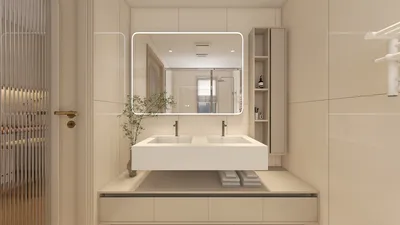


Direct Answer
Selecting the ideal finish board involves choosing materials that align with the room's environment, structural needs, and aesthetic preferences while also resisting wear, moisture, and temperature fluctuations. The three primary elements influencing long-term durability are a sturdy core, protective surface treatment, and thoughtful installation planning.
In reality, the optimal finish board isn't simply the most ornamental choice. It's the one whose composition, coating, and positioning work harmoniously to sustain its look and integrity over time.
Quick Takeaways
Introduction
Over more than ten years of working on interior design projects, I've observed many stunning spaces deteriorate prematurely because unsuitable finish boards were selected. While finish board choice seems straightforward, it's often underestimated in terms of its impact on design longevity.
The challenge lies in balancing two sometimes conflicting priorities: the visual appeal and structural strength. While clients often focus on color, texture, and pattern, designers must scrutinize the core material, moisture resistance, and surface durability. Neglecting these factors can lead to swelling edges, fading finishes, or chipped surfaces within just a few years.
Early collaboration on layout and material choices, especially by using visualization tools like Homestyler that create realistic interior renderings, can highlight potential issues with finish board placement before construction begins.
This guide walks through how professionals optimize finish board selection by considering environmental factors, structural uses, surface treatments, and maintenance to ensure interiors look cohesive and last for years.
save pin
Key Factors That Affect Finish Board Performance
Key Insight: The longevity of a finish board mainly depends on its core structure, surface finish, and installation quality.
Although design discussions often emphasize the decorative layer, the internal core largely dictates whether the board remains stable over time. Even the most attractive surface will fail if the underlying material expands or weakens.
Three main structural components influence performance:
According to guidelines from the American Wood Council, dimensional stability and moisture resistance are critical in predicting how well panels endure long-term. This suggests that the underlying structure is far more significant than just the decorative top layer.
Choosing Finish Boards Based on Interior Environment
Key Insight: Selection should prioritize the room's environmental demands over simply matching the design theme.
Different spaces subject finish materials to varying stresses. For instance, kitchens endure heat and humidity, bedrooms stay relatively stable, while bathrooms frequently face moisture exposure.
I categorize interior zones into three performance groups:
This categorization guides the appropriate finish board choice:
For multi-room projects, designers often rely on spatial planning tools like Homestyler to simulate material zones across full floor plans, helping to avoid placing sensitive materials in high-moisture or high-wear areas.
save pin
Balancing Aesthetic Style and Structural Durability
Key Insight: Interiors that last often favor low-sheen textures and stable finishes rather than glossy, highly decorative surfaces.
A widespread myth is that luxury spaces need shiny or very decorative boards, but these surfaces typically show wear more quickly.
Here's how common finish styles perform in real-world applications:
Textured laminates or matte finishes generally age better in residential settings as they diffuse light and conceal minor flaws.
Surface Finishes That Improve Longevity
Key Insight: Protective surface technologies can effectively double the expected lifespan of decorative finish boards.
Surface coatings shield the board against scratches, heat, and chemical damage. Correct coating selection is crucial, especially for cabinetry and furniture.
Widely used durable surface treatments include:
High-pressure laminate remains popular in commercial interiors due to its excellent balance of cost and durability.
save pin
Moisture and Temperature Considerations
Key Insight: Expansion caused by changes in humidity is a prevalent reason for finish board damage.
Wood-based panels naturally expand and contract with moisture levels. If installation doesn't accommodate this movement, edges and surfaces may warp or swell.
Effective installation practices to minimize risks include:
Though subtle, these adjustments significantly enhance the material's stability over time and tend to be invisible in finished spaces.
Answer Box
The best finish board strategy integrates moisture-suitable core materials, protective surface finishes, and installation methods tailored to environmental conditions. Successful durability depends on matching materials to actual use rather than relying solely on appearance.
Design Optimization for Walls, Cabinets, and Furniture
Key Insight: Finish boards react differently depending on whether they are applied to walls, cabinets, or furniture pieces.
Each context places specific stresses on the material. Treating these applications interchangeably often results in premature failure.
Recommended material and finish combinations include:
Planning becomes much easier when designers visualize entire room layouts early using tools like Homestyler, which supports coordinated furniture and material planning.
Maintenance Strategies for Long Term Performance
Key Insight: Proper upkeep extends the life of finish boards far beyond typical expectations.
High-quality finish boards can still degrade if harmful cleaning products or improper methods damage their protective layers.
Recommended maintenance practices are:
Most damage begins at vulnerable points such as edges, corners, and hardware connections. Addressing these areas early helps prevent bigger issues later.
Final Summary
FAQ
What is the best finish board for interior durability?
Boards with plywood cores combined with high-pressure laminate surfaces offer outstanding durability and moisture resistance in most interior environments.
How do I choose durable finish board panels?
Assess the core composition, surface coating quality, exposure to humidity, and installation strategy. The most durable panels feature stable cores with protective laminates or melamine finishes.
Are MDF finish boards durable?
While MDF panels perform well in dry settings, they are susceptible to moisture unless properly sealed and finished.
Which finish board works best for kitchen cabinets?
Plywood or moisture-resistant panels with laminate coatings typically provide the best reliability for kitchen cabinetry.
Do glossy finish boards scratch easily?
Yes, glossy surfaces tend to show scratches and fingerprints more readily compared to matte or textured alternatives.
How long do decorative finish boards last?
With correct installation and ongoing maintenance, many finish boards can endure 10 to 20 years in residential interiors.
Can finish boards be used in bathrooms?
Yes, but moisture-resistant laminates or waterproof boards are essential to prevent swelling and damage in wet environments.
What are long lasting finish board materials?
Among the most durable choices are plywood laminate panels, high-pressure laminate boards, and UV-coated decorative surfaces suited for interior applications.
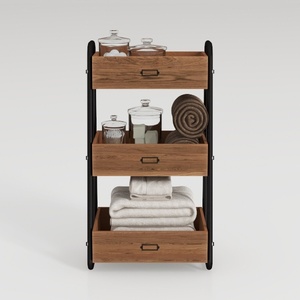
IBUYKE Narrow Side Table with Storage Shelf, 3
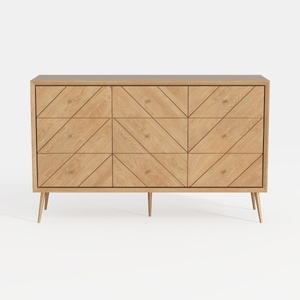
Tribesigns Sideboard Buffet Cabinet with Storage
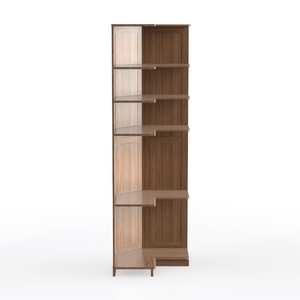
OKD 68" Tall Corner Cabinet, Mid-Century Storage
Homestyler offers an easy-to-use online design tool with stunning 3D renderings, a vast collection of interior design projects, and helpful DIY video tutorials—making it simple and fun to create and visualize your dream home.
Design Now for FREE
































