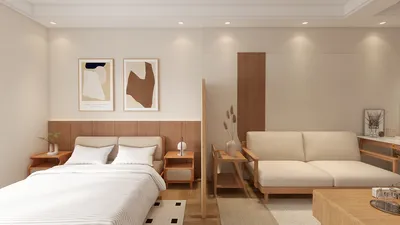


In a past project, I once applied a striking red paint in a small powder room, only to have the client's cat stubbornly refuse to enter for two whole days — and yes, that's absolutely true! This amusing incident illustrated just how impactful the color red can really be. It has the ability to invigorate, create warmth, and, at times, even intimidate. If you're interested in experimenting with red without committing long-term, I suggest utilizing visualization tools like Homestyler that allow you to visualize your space in 3D before making any painting decisions.
1. Warm Brick — Cozy & Grounded
Consider earthy brick reds and terracotta shades that embrace a room like a comforting blanket. I applied this color in a cozy dining nook, successfully rendering the space more intimate; however, adequate warm lighting is essential to prevent any washed-out effect. A practical tip for those on a budget: an eggshell finish strikes a balance between durability and a non-reflective quality, although it does tend to reveal scuffs more than flat paint does.
save pin
2. Deep Burgundy — Dramatic Without Being Overbearing
Burgundy imparts a sense of luxury and is perfect for an accent wall behind a bed or sofa. I once suggested this rich tone to a client fond of cinematic aesthetics — paired with brass fixtures, it transformed the space into something reminiscent of a boutique hotel. A word of caution: keep textiles and artwork lighter to avoid creating a cave-like atmosphere.
save pin
3. Soft Terracotta — Modern, Friendly, Versatile
Soft terracotta is my preferred choice when clients desire warmth without overwhelming intensity. This hue blends beautifully with wood tones and greenery. It's a forgiving option for smaller rooms and seamlessly transitions between mid-century and contemporary styles. If you're contemplating a kitchen makeover, contemplate these kitchen layout ideas while integrating your color choice; the right flow and color synergy can make a huge difference.
save pin
4. Dusty Rose-Red — Subtle & Stylish
Dusty rose-red shades are muted with a slight hint of pink, exuding a modern and soothing vibe. I utilized this color in an apartment where the client wanted a touch of color without overwhelming drama; it reads as sophisticated and surprisingly easy to live with. A minor downside is that it may appear pink under cooler LED lights, so always test samples throughout different times of the day.
save pin
5. High-Contrast Accent — The One-Wall Statement
Opt for a truer red, like a bright tomato or signal red, for a bold accent wall, keeping the remaining walls neutral. I've witnessed how small living rooms instantly gain character this way; the key is to balance the vividness with bright whites and reflective surfaces. For convincing visuals that help alleviate clients' apprehensions, I frequently use realistic 3D renders via tools like Homestyler to provide clear expectations.
save pin
FAQ
Q1: How do I choose the right shade of red for a small room?
I recommend bringing along 2-3 large swatches of paint to observe how they look under both morning and evening light. Light, muted tones like terracotta or dusty rose generally work best in confined spaces.
Q2: Will painting my room red make it appear smaller?
Red can indeed create a cozier atmosphere but does not necessarily shrink the room; the perception of space largely relates to the use of contrast, lighting, and finishes. Use red as an accent for that cozy effect without making the area feel overwhelming.
Q3: Which paint finishes are most suitable for red walls?
I typically prefer eggshell or satin finishes: they are easier to clean while maintaining vibrant color richness. High-gloss finishes can appear dramatic, but they also highlight imperfections.
Q4: How does lighting influence red paint?
Warmer incandescent or LED lights can enhance the richness of red hues; conversely, cool lighting might mute or alter the color towards a pinkish tone. Always test paint samples in the actual room under the lighting conditions you'll have.
Q5: Can red be effectively combined with other colors?
Absolutely — red pairs beautifully with deep greens, navy blues, warm wood tones, and brass. Neutral grays and creams can also soften red’s intensity while allowing it to shine without being overwhelming.
Q6: Are there health or VOC concerns associated with red paints?
Many brands now offer low-VOC and zero-VOC options for red paints; be sure to look for certified low-emission products and ensure good ventilation during your painting process.
Q7: What brands are recommended for durable red paints?
Quality is crucial because the type of pigments used can significantly affect durability. For reliable research on pigments and their performance, Sherwin-Williams provides detailed technical resources—check their color guides online at https://www.sherwin-williams.com/. Follow their sampling and testing recommendations for the best outcomes.
Q8: How much does it typically cost to repaint a room red?
Costs can vary based on region and paint quality, but generally, expect moderate expenses for mid-range paints and labor. Sample paints are quite affordable and can help save money by avoiding poor choices.
save pin
Homestyler is your go-to online home design platform, perfect for anyone looking to transform their space. With an easy-to-use design tool, stunning 3D renderings, and a wealth of DIY video tutorials, you can effortlessly create your dream home. Get inspired and start designing today!
Zaprojektuj teraz za darmo
































