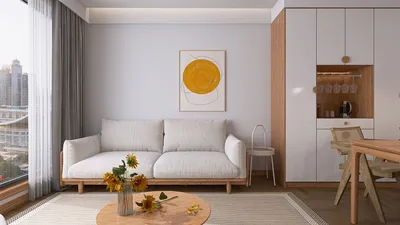


One time, I found myself measuring a living room in an unconventional way — I literally turned my tape measure upside down due to fatigue from a late-night project. The client found it amusing, and after I adjusted the layout, we realized that a small gray rug actually enhanced the room's design far better than the oversized statement carpet they initially intended to use. This experience illustrates how even minor design choices can inspire great ideas in compact spaces.
1. Layered neutrals add depth
I enjoy beginning with a medium-tone gray rug and layering a smaller patterned option on top. This significantly adds depth while maintaining a focus on color. The beautiful aspect is its versatility: you can easily change the top layer according to the seasons. While it may require more frequent vacuuming, the texture and visual appeal it offers make it worth the effort.
save pin
2. Cozy corners with textured shag
When a client sought a cozy reading nook, I suggested opting for a plush gray shag rug. It immediately adds warmth to hard floors and absorbs city noise. However, due to the dust that shag rugs tend to trap, I recommend considering a low-pile alternative if allergies are a concern.
save pin
3. Modern flair with geometric gray
A geometric gray area rug can give a contemporary touch to a well-loved sofa and help hide the signs of high foot traffic. I previously employed a subtle chevron gray rug to improve an awkward furniture layout; the pattern effectively directed movement through the space. Keep in mind that bold geometric designs may clash with busy furniture, so it's wise to keep other patterns more subdued.
save pin
4. Defining seating with border-trim gray
I frequently recommend bordered gray rugs for creating defined seating areas in open-plan living rooms. They gently frame the sofa and coffee table without drawing excessive attention. However, they may be prone to showing scuffs along the edges, so selecting durable fibers is important for households with high activity levels.
save pin
5. Budget-friendly reversible gray rugs
For clients working within a budget, I often suggest reversible gray rugs — two designs for the price of one and extended lifespan. I picked up this practical tip during a rental renovation: simply flip it over for a fresh look. The main challenge lies in choosing a pattern that looks appealing from both sides.
save pin
Tips 1:
When planning a layout, ensure you measure your furniture and leave approximately 18-24 inches of exposed floor around the rug's edges in smaller rooms. If you're interested in exploring virtual layouts, a useful tool is the Homestyler 3D floor planning feature that I utilize for creating client mockups.
save pin
FAQ
Q: What size gray area rug should I choose for my living room?
A: Typically, select a rug that accommodates the front legs of your main furniture, which is generally around 8x10 feet for standard living rooms. Measuring your seating arrangement will help ensure a proper fit.
Q: Is gray effective at hiding stains?
A: Mid-tone grays tend to conceal everyday dirt effectively; however, lighter grays can reveal spills, whereas dark grays often show lint — so consider the fiber and pile accordingly.
Q: Which rug fiber is best for high-traffic living areas?
A: Synthetic fibers such as nylon or polypropylene deliver durability and stain resistance; wool is resilient and naturally sheds stains but usually comes with a higher price tag.
Q: Can a gray rug make a room feel smaller?
A: A very dark gray can give the illusion of reducing space; therefore, it’s advisable to choose medium shades or pair them with lighter walls and reflective surfaces to maintain an open feel.
Q: What's the best way to clean a gray area rug at home?
A: Regular vacuuming and spot-cleaning with mild detergent are effective; for deep cleaning, refer to the manufacturer’s guidelines or enlist a professional service.
Q: Are patterned gray rugs more of a trend or a timeless choice?
A: Subtle designs in gray usually lean towards timelessness, while bold geometric styles are more on-trend — your choice should depend on how long you plan to maintain that style.
Q: Can I layer rugs over hardwood without causing damage?
A: Yes, as long as you use a non-slip pad to protect the flooring and prevent movement; these pads also prolong the life of your rugs.
Q: Where can I digitally experiment with rug layouts?
A: I often create layouts using various floor planners; a reliable tool is the free plan creator I use for quick designs: Homestyler. If you’re working on adjoining kitchen spaces, consider the kitchen layout planner to manage those areas effectively.
save pin
Discover your home's potential with Homestyler! This user-friendly online design platform offers a powerful design tool, stunning 3D renderings, and a wealth of inspiring projects and DIY video tutorials. Transform your space effortlessly and unleash your creativity today!
Design jetzt kostenlos
































