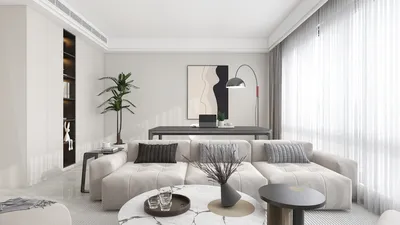


I once worked with a client who wanted their dining room shelf to be photogenic enough for weekly dinner posts on Instagram, while also concealing a collection of quirky novelty mugs. This experience highlighted two key lessons: compact shelves can indeed make a significant impact, and accurate measurements are essential. For anyone looking to visualize their concepts before finalizing, I frequently encourage clients to experiment with their layout in 3D. This way, any surprises become apparent on-screen rather than once the installation has occurred.
1. Staggered Floating Shelves for Visual Appeal
Staggered floating shelves are a favorite of mine because they introduce visual rhythm without consuming precious floor space. They are perfect for displaying a mix of plates, plants, and striking vases—offering a sleek, modern aesthetic. Just be sure to use sturdy anchors if you're planning to store heavier dishes.
save pin
2. Built-in Niche Shelving with Ambient Lighting
Creating a shallow niche within a dining wall and equipping it with thin shelves provides a tailored, upscale look without the need to replace existing furniture. The main advantage lies in the customized proportions; however, keep in mind that this might incur a slightly greater cost and necessitate planning for wiring if you opt for LED strip lights.
save pin
3. Open Framed Shelves that Enhance Your Space
Open framed shelving units—such as those with a metal frame and wooden shelves—serve a dual purpose; they function as both art and storage. I highly recommend these for those seeking a light, airy feel that won't overwhelm smaller dining environments. They're adaptable for seasonal decorations, but be aware—frames can create shadows, so placement is crucial. I often advise clients to use mockups to visualize fitted shelving and assess sightlines.
save pin
4. Leaning Shelves for Rental-Friendly Solutions
Leaning shelves are my preferred choice when drilling into walls isn't an option. They provide height and layered decoration with minimal wall impact, cleverly tilted to enhance styling potential. However, stability is vital; consider adding non-slip pads or securing the upper bracket to ensure safety, especially if children are around.
save pin
5. Versatile Shelf-Cabinet Combinations for Organization
Integrating open shelving above along with closed cabinets below creates a harmonious balance between display and hidden storage. Showcase beautiful dishes on top while storing less visually appealing items below. Although this setup may require a slightly larger investment, it effectively addresses the common dilemma of concealing unwelcome items from guests. Utilizing tools like Homestyler can assist in making quick design mockups, accelerating decision-making.
save pin
Tips 1:
Always measure twice and style once; I recommend using paper templates to visualize shelf heights on the wall before any drilling starts. Keep your rows short—aim for three to five items for a curated appearance—and mix textures to avoid a monotonous look.
save pin
FAQ
1. What wall shelf styles suit small dining rooms best?
I typically suggest floating or slim framed shelves, as they help maintain open sightlines. Open designs can visually enlarge a space more effectively than bulky cabinets.
2. At what height should dining room wall shelves be mounted?
A good rule of thumb is to position the central shelf at eye level for most adults, which is approximately 145-155 cm from the floor. Adjustments may be necessary based on your furniture and ceiling height, especially if positioning shelves above a buffet—allow around 30-45 cm between the buffet top and the lower shelf.
3. What is the ideal spacing between shelves?
For plates and serving ware, a spacing of 30-38 cm (12-15 inches) between shelves is commonly used; taller spacing can be applied for decorative items. For planning purposes, consider referencing IKEA's planning guides, which contain practical spacing examples (available at https://www.ikea.com).
4. Is it possible to combine open shelves with cabinets?
Absolutely—mixing open and closed storage allows for a combination of display and hidden spaces for clutter. I frequently design setups where the lower section consists of closed cabinets while the upper consists of open shelves for an attractive balance.
5. Which materials are best suited for dining room shelves?
Solid wood or plywood with veneer provides durability while adding warmth; metal and wood frame combinations are both lightweight and resilient. When selecting materials, consider the humidity levels and the weight of the items intended for storage.
6. Are floating shelves sturdy enough to hold dishes?
Yes, they can be if attached properly to wall studs or using high-quality wall anchors and brackets. For a full set of heavier dishware, I recommend reinforcement or opting for a built-in solution.
7. How can I style shelves without making them look cluttered?
I prefer to style using odd-numbered groupings (like 3 or 5), varying heights, and textures, leaving negative space so each piece has room to breathe. Rotating elements seasonally can keep the display feeling fresh.
8. What budget should I anticipate for updating shelves?
Basic DIY floating shelves can often be made for under $100 in materials, while custom built-ins or niche installations will typically start at a higher cost, influenced by the chosen finishes and lighting. I always advise setting aside some extra budget for anchors and finishing touches to avoid future regrets.
save pin
Homestyler is your go-to online home design platform. With its user-friendly design tool, stunning 3D renderings, and a wealth of DIY video tutorials, you can easily create and visualize your dream spaces. Transform your home design ideas into reality effortlessly!
Design Now for FREE
































