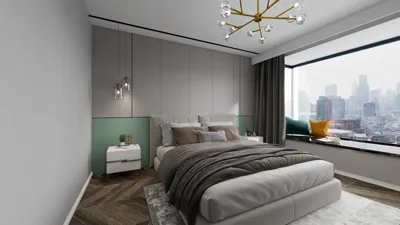


I once hung a watercolor above my stove, and just three weeks later, I discovered the unfortunate effects of steam and frame materials — the painting’s bottom corner curled like a depressed postcard. After several kitchen 'learning experiences' in my projects, I transitioned to using quick preview tools such as virtual room mockups to analyze how art interacts with cabinets, lighting, and kitchen traffic. In small kitchens, creativity is essential; a well-placed painting can serve as a centerpiece or subtly enhance the overall decor, especially when visualizing with platforms like Homestyler to optimize placements.
1. Opt for a large focal painting
An oversized canvas above your breakfast nook or facing the sink acts as an expressive gauge of your entire kitchen’s character. This approach creates instant visual drama and reduces compositional challenges, though it demands careful selection of size, color, and texture to withstand humidity and kitchen splashes.
save pin
2. Design a gallery wall strip
When space is limited, I prefer a horizontal gallery strip set along a backsplash-height wall, using small frames with uniform matting and a cohesive color palette. This design offers a rhythmic aesthetic and allows for seasonal updates; however, it requires some additional maintenance to keep everything cohesive and dust-free.
save pin
3. Select washable art prints near cooking areas
In zones close to cooking surfaces like the stovetop or sink, I suggest using framed pieces protected by glass or laminated artworks that can handle moisture and light exposure. This strategy provides vibrant color without the constant concern for damage. Additionally, when redesigning layouts and planning art placement, utilizing tools that allow you to visualize kitchen layouts alongside artwork can be incredibly helpful, particularly when using resources like Homestyler during a remodel.
save pin
4. Embrace local or culinary-inspired themes
I like to enhance kitchens with vintage botanical illustrations, marketplace photography, or even abstract color schemes inspired by spices. These choices connect the space to cooking traditions and can be surprisingly budget-friendly if sourced from local markets. The charm of personal storytelling is present, but it's essential to balance thematic art with neutral surfaces or simple framing to avoid overwhelming the aesthetic.
save pin
5. Utilize layered lighting and textured frames for added depth
Art pieces benefit immensely from the right lighting — consider a narrow LED picture light or adjustable recessed fixtures that enhance colors and conceal surface flaws. If you desire lifelike previews prior to finalizing your choices, I occasionally create or request high-quality 3D renders to showcase potential designs. This technique clarifies scale and material interactions, although it may demand more time and investment upfront.
save pin
FAQ
Q1: What types of artwork are best suited for kitchens?
I suggest choosing pieces that have durable surfaces or are behind glass in areas exposed to heat and moisture. Options like oils, properly framed reproductions, and sealed mixed-media artworks are excellent choices; it’s advisable to avoid unsealed paper in splatter-prone areas.
Q2: How high should artwork be placed above a countertop?
Aim to hang artwork approximately 12 to 18 inches above the countertop or 4 to 6 inches above a low backsplash; maintain an eye level that feels comfortable from your usual standing position. Consistent height across nearby pieces will help achieve a serene composition.
Q3: Is it possible for art to thrive near the stove?
Certainly, provided it is shielded: consider framed prints with glass protection, metal frames, or sealed canvases. Good airflow can also mitigate long-term effects from grease and steam exposure.
Q4: Which colors are suitable for small kitchens?
Light-colored backgrounds complemented by one or two bold accents typically help to open up space while artworks create focal points. I frequently choose a hue from the artwork to repeat in kitchen accessories, creating a unified look.
Q5: Are DIY prints acceptable for kitchen decor?
Definitely — high-resolution prints in quality frames offer a cost-effective and versatile option. Just be sure that the paper and inks are appropriate for kitchen conditions, or protect them behind glass to ensure longevity.
Q6: How do I select the right frame materials?
Metal or sealed wood frames are ideal choices for kitchens; it’s best to avoid raw, unsealed wood close to moisture levels. A minimalist frame often imparts a contemporary feel and is easier to maintain than more intricate designs.
Q7: Is there professional advice regarding art placement near heat sources?
According to guidelines from the American Society of Interior Designers (ASID), it’s advisable to keep sensitive artwork away from direct heating and high humidity exposure; utilizing protective glazing when necessary can extend the life of your art pieces. More information is available at their official site (https://www.asid.org/). Following these recommendations can help preserve your art effectively.
Q8: Should artwork style match the overall kitchen decor?
While matching can create harmony, introducing contrast can also be refreshing — for instance, a modern abstract piece in a rustic kitchen can feel revitalizing if you balance material textures and color schemes. I often recommend incorporating one surprising element to inject personality into the room.
save pin
Homestyler is your go-to online home design platform! With its user-friendly design tool, stunning 3D renderings, a wealth of design projects, and helpful DIY video tutorials, you can effortlessly create and visualize your dream space. Transform your home with ease and inspiration!
Design Now for FREE
































