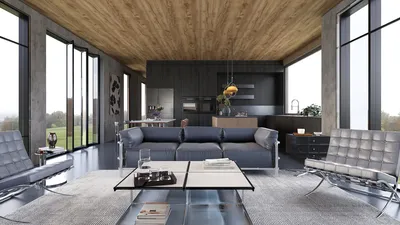


I once accepted a painting job for a client's small studio at a fixed rate and badly miscalculated the paint needed because I overlooked the vaulted ceiling. This was a lesson learned the tough way. Such minor oversights have taught me to measure more effectively, reminding me that compact spaces can inspire significant creativity. By drafting a plan prior to purchasing paint, you can save both cash and avoid regrets. For visual assistance, I often direct clients to space planning examples to assess proportions and define paint zones, where tools like Homestyler can be immensely beneficial.
1. Basic coverage guideline: 350–400 sq ft per gallon
Typically, interior paints cover around 350–400 square feet per gallon for a single coat. This means you should calculate the total wall area (length times height for each wall), subtract any doors and windows, and then divide by the coverage rate to determine the gallons necessary for a single coat. It's straightforward and dependable, although variations may occur based on the type of paint and the texture of the walls—rough surfaces can consume more paint.
save pin
2. Two coats are often necessary — double your calculations.
If your walls require two coats (which is quite common when changing colors or working with fresh drywall), you should multiply your calculations for one coat by two. While primer can minimize the number of finish coats needed, remember that primer’s coverage is similar to paint; hence, include it in your calculations if priming extensive areas. From a budgeting perspective, applying two coats increases costs but results in a more durable, uniform finish worth the additional paint.
save pin
3. Do not overlook trim, doors, and ceilings.
When calculating, trim, doors, and ceilings should be considered separately: trim approximately covers 350–450 sq ft per gallon, depending on the application method; doors generally require about half to one quart each. For ceilings, you can find the required amount by multiplying the ceiling area (which is the same as the floor area) by its coverage—textured ceilings may need more paint. Planning these components separately can prevent last-minute trips to the store and maintain consistency in your color choices.
save pin
4. Exterior painting has distinct regulations.
The paint coverage for exteriors is similar per gallon, but the total paintable area includes siding, gables, and trim, all of which can be affected by surface porosity and the state of weathered wood. A typical guideline suggests 1 gallon per 250–350 sq ft for one coat on standard siding; again, remember to factor in two coats, primer, and the condition of the surface prior to painting. While exterior jobs can be more complicated than interior ones, careful measurement combined with quality primer can minimize the need for frequent repainting.
save pin
5. Intelligent purchasing and design decisions can reduce the amount of paint needed.
Opt for high-quality, high-hide paints whenever possible; these tend to require fewer coats. Implementing accent walls, using durable wash-friendly paints for high-traffic areas, and coordinating trim colors can help limit the variety of finishes needed. For instance, when redesigning a kitchen, targeted repainting in tandem with effective planning using your kitchen layout ideas on platforms like Homestyler can minimize wasted paint while maximizing visual appeal.
As a quick practical checklist: accurately measure wall areas, subtract openings, utilize the baseline of 350–400 sq ft/gallon, double the amount for two coats, add an additional 10% for touch-ups, and take into account primer requirements. I also maintain a reserve quart for future patching—this has proven beneficial for late-night scuff repairs on numerous occasions.
save pin
FAQ
Q: How do I compute the total wall area?
A: Measure the length of each wall and multiply by ceiling height, then aggregate wall measurements. Subtract the areas of any doors and windows to get the paintable wall area.
Q: How many gallons are needed for a 10×12 room with 8ft ceilings?
A: Wall area = (10+10+12+12) × 8 = 352 sq ft. Given the coverage rate of 350–400 sq ft per gallon, you will need approximately 1 gallon for a single coat, and 2 gallons for two coats, in addition to allowance for touch-ups.
Q: Does primer count as one of the coats?
A: Primer is considered separate; it seals the surface and can reduce the number of finish coats required, but you should still account for its gallons when estimating the total product needed.
Q: What coverage figure should I consider for rough plaster or textured walls?
A: Use the lower coverage estimates—around 250–300 sq ft per gallon—since texture increases surface area and paint absorption. Always do a small test area if uncertain.
Q: How much paint is required for the exterior siding of a 2,000 sq ft house?
A: The paint requirements for exteriors can vary significantly; a rough estimate is 1 gallon per 250–350 sq ft for one coat of siding. Remember to include trim, surface porosity, and the need for two coats when planning your budget.
Q: Should I purchase exactly the calculated gallons or a bit more?
A: It’s wise to buy roughly 10% more for touch-ups and minor adjustments, and store a labeled quart for future repairs. Since color batches can differ, having extra paint from the same batch helps to prevent mismatches.
Q: Where can I access a paint calculator or official coverage information?
A: Numerous manufacturers and retailers provide online calculators; for detailed guidance, Sherwin-Williams mentions that a gallon generally covers around 350–400 sq ft, depending on the product and surface conditions (see https://www.sherwin-williams.com for specifics).
Q: Can smart design strategies lower the amount of paint I have to buy?
A: Absolutely—using accent walls, harmonizing trim colors, and selecting paints with improved coverage can decrease the number of coats and overall gallons needed. Tools to visualize color placements can aid in devising strategies that enhance visual impact with minimal paint; I frequently utilize design inspiration from platforms like Homestyler to preview various options.
save pin
Homestyler is your go-to online home design platform! With its user-friendly design tool, stunning 3D renderings, and a wealth of design projects and DIY video tutorials, you can effortlessly create and visualize your dream home. Transform your space with ease today!
Design Now for FREE
































