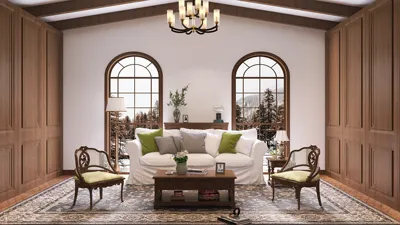


I once arrived at a client's home who believed their living room required 'just a bit of color' — three coats later, we both learned what 'just a bit' truly meant. This low-risk oversight taught me that calculating the costs of painting the interiors of a house begins well before the brush is put to wall. By drafting a comprehensive floor plan and identifying problematic walls in advance, you can steer clear of unexpected square footage and hidden preparation work.
1. Align Paint Sheen with Reality (and Budget)
Choosing paint sheen is like a chef selecting spices: it transforms the entire experience. Flat paint smoother over imperfections and is less expensive per gallon, but high-traffic areas benefit significantly from satin or semi-gloss finishes—though they may come at a higher cost, the savings on touch-ups are worth it. The trade-off is in the finish visibility: glossier paints highlight flaws and require more meticulous preparation, which can raise labor costs.
save pin
2. Color Zoning Enhances Small Rooms to Create a Luxurious Feel
Last year, I designed a compact studio where two colors and a darker ceiling transformed a mere thirteen feet into what felt like a 'suite' without any structural changes. Utilizing paint for zoning can be a cost-effective strategy while saving on construction work—just plan the color transitions carefully and allocate some extra paint for sampling. The challenge lies in the patience needed for testing and living with samples, but this avoids expensive repainting in the end.
save pin
3. Accent Walls: Significant Impact for Minimal Spend
Creating an accent wall can drastically cut down painting costs if you select one focal wall to enhance instead of repainting all surfaces. I once revitalized a dull hallway by investing in textured paint for a single wall while keeping the remainder neutral; this saved the homeowner nearly 40% compared to a full repaint. However, beware of trendy colors—what might be bold now could become outdated quickly—so it’s wise to choose shades that complement existing finishes.
save pin
4. Proper Preparation Is Where Real Savings Reside
Scraping, priming, and patching are often the hidden cost stimulators. I discovered this when a 'quick' touch-up morphed into a full priming job due to stains staining through. Dedicating resources to primer and addressing moisture issues or cracks beforehand can avert the need for multiple coats later on. For visual assistance in planning, a layout guide similar to those used in kitchens can help map out needs—measuring, marking, and documenting problematic areas can save both time and money during bidding.
save pin
5. DIY versus Professional: Knowing Where to Save and When to Hire
I enjoy the hands-on aspect of painting, but I also recognize when hiring a professional becomes more economical compared to their hourly rate. Labor costs frequently equal or surpass materials; tasks such as painting ceilings, high trims, or textured surfaces are often best left to experts. For homeowners on a budget, consider tackling most of the prep work (removing outlet covers, taping edges) and scheduling a painter for the cutting-in and ceilings—this combination can be budget-friendly but requires an honest assessment of time. Additionally, consider utilizing AI interior design tools like Homestyler for quick color testing prior to committing to large purchases.
My projects provide a quick budget overview: a basic room repaint (single color, standard preparation) typically costs between $200 and $600 in materials and DIY labor, while hiring professionals usually ranges from $400 to $1,200, depending on the region and project details. It’s always advisable to obtain at least two estimates and inquire about a painting schedule (including the number of coats and primer requirements) for an accurate comparison.
save pin
FAQ
Q1: What is the average cost for interior house painting?
Costs can vary significantly based on size and finish; however, a typical professional job for a single room in the U.S. averages approximately $1,500 to $2,500. Always ask for detailed estimates to understand what is included.
Q2: How can I estimate how much paint I require?
To determine the amount of paint needed, you should measure the height and width of each wall to calculate square footage, deducting the area for windows and doors, and then divide by the paint coverage per gallon (noted on the can). It's wise to add an additional 10–15% for touch-ups and potential waste.
Q3: Does using primer significantly impact the cost?
While primer does add to the material expenditure, it can save money overall by reducing the number of color coats needed, especially when dealing with dark colors or stains. Skipping primer is often a false economy, particularly for problematic walls.
Q4: Can I reduce labor costs by handling preparation tasks myself?
Absolutely—removing hardware, patching minor holes, and taping surfaces can lower the time required by professionals. However, be realistic as uneven or improperly prepared surfaces can be noticeable and might require professionals to redo the work.
Q5: What effect do paint brands and quality have on cost?
Higher-quality paints are often more expensive per gallon but provide better coverage and durability, which translates to needing fewer coats and extending the duration before a repaint is required. For frequently used areas, investing in quality paint can be advantageous.
Q6: How long can I expect interior paint to last?
Under normal conditions, good-quality interior paints can endure for 5 to 10 years in living areas and approximately 3 to 5 years in high-traffic zones. Proper preparation and ventilation contribute to extending its lifespan.
Q7: Where can I find reliable, average cost data for painting?
Reputable home improvement sites like HomeAdvisor offer regional cost guides and averages for interior painting; these reports can serve as valuable references for comparing local bids (the HomeAdvisor guides are highly regarded in the industry).
Q8: Should I follow color trends or opt for timeless shades?
I prefer using timeless neutrals for larger areas while implementing trendier hues as accents—this maintains resale flexibility and allows for an easy refresh without needing a complete repaint.
save pin
Homestyler is your go-to online home design platform! With its easy-to-use design tool, stunning 3D renderings, and a wealth of inspiring design projects and video tutorials, you'll effortlessly transform your home ideas into reality. Perfect for both beginners and seasoned designers!
Zaprojektuj teraz za darmo
































