


Direct Answer
The primary risks when purchasing antique furniture for a 1920s dining room involve unknowingly acquiring reproductions marketed as originals, missing hidden structural damage, and overpaying for pieces that have been poorly restored. To mitigate these risks, thorough inspections, transparent communication with sellers, and familiarity with period-accurate materials are essential, especially when using tools like Homestyler to visualize the space beforehand.
Quick Takeaways
Introduction
Buying authentic dining room furniture from the 1920s can be a deeply satisfying experience but also fraught with pitfalls if you're unaware of potential issues. Through years of working on historic restorations, I've witnessed buyers spend significant amounts on items that turned out to be reproductions, altered antiques, or unsafe for daily use.
The 1920s introduced a captivating blend of Art Deco design with traditional craftsmanship, often featuring solid hardwood pieces designed to endure. However, today's market is flooded with both genuine antiques and mid-century recreations or modern vintage-inspired furniture, making it tricky to discern true period pieces.
When planning a period-accurate dining room, coordinating the room layout with authentic furniture selection is crucial. I recommend starting with a precise floor plan, often aided by platforms like Homestyler, which helps avoid costly errors in scale or proportion before purchasing significant items.
This guide outlines common challenges encountered when acquiring antique dining furniture and shares professional strategies to prevent costly mistakes.
save pin
Common Risks When Buying 1920s Dining Room Furniture
Key Insight: The costliest errors usually occur when prioritizing looks over verifying authenticity, condition, and provenance.
At first glance, many dining tables and chairs appear genuine, but restoration projects reveal recurring problems.
According to experts, reproduction furniture became common post-mid-20th century, especially during revivalist trends, meaning many pieces on the market are merely inspired by earlier designs rather than original artifacts.
In my client work, construction methods and materials are scrutinized before stylistic elements. Authentic antiques typically show their age in joinery techniques and wear patterns.
How to Identify Authentic vs Reproduction Pieces
Key Insight: Examination of construction details, particularly joinery and material quality, offers a more reliable authenticity indicator than decorative style alone.
Many buyers base decisions solely on visual style, which is risky since modern manufacturers can remarkably replicate historical designs.
Experts instead prioritize clues in craftsmanship.
For example, 1920s Art Deco dining furniture often features geometric shapes, exotic veneers, and striking finishes, yet even these were built on sturdy traditional hardwood frames.
save pin
Structural and Safety Issues in Antique Furniture
Key Insight: Structural integrity is paramount when assessing antique dining pieces, outweighing minor cosmetic imperfections.
Many exquisite antiques may have hidden structural deficiencies requiring repairs, as dining furniture endures constant stress and can degrade over decades.
Common issues to inspect during restoration include:
Minor repairs are typical for antiques, but significant problems can substantially increase restoration costs.
Before purchase, consider how the table and chairs will perform in your actual dining layout. Many clients use visualization tools like Homestyler to plan furniture arrangement, avoiding oversized items that overwhelm a space.
Questions to Ask Antique Dealers and Sellers
Key Insight: Transparency from the seller often reveals more about a piece's authenticity than its appearance does.
Experienced dealers expect buyers to ask detailed provenance and restoration questions; lack of answers should raise caution.
Essential questions include:
Reputable sellers typically disclose restoration work since it impacts value. Avoid sellers who evade these inquiries, as they may lack full knowledge or wish to obscure history.
Price Red Flags in Vintage Dining Room Furniture
Key Insight: Prices that are unusually low or excessively high often signal issues with authenticity or condition.
Antique prices are generally influenced by rarity, condition, and craftsmanship. For 1920s dining furniture, solid wood tables and complete sets usually fall within established price ranges based on maker and state of preservation.
Watch out for:
A prudent approach is to compare several listings before purchasing. Specialized dealers, estate sales, and antique marketplaces can help set realistic expectations.
save pin
Answer Box
The safest approach to acquiring antique 1920s dining furniture is to assess construction details, confirm structural soundness, and inquire thoroughly about restoration history. Authenticity and condition outweigh surface aesthetics.
Safe Restoration and Maintenance Practices
Key Insight: Gentle preservation techniques maintain antique value better than aggressive refinishing or sanding.
One prevalent risk is improper restoration; many 1920s dining tables lose collector value after heavy sanding or polyurethane finishing.
Recommended maintenance practices include:
When restoring an entire dining space, visualizing how antiques harmonize with lighting, wall colors, and layout is helpful. Tools like Homestyler allow homeowners to experiment with complete room designs prior to investing in furniture or restoration.
save pin
Final Summary
FAQ
How can I confirm a dining table is genuinely from the 1920s?
Inspect joinery, hardware styles, and wood type. Authentic 1920s tables use solid hardwood and traditional joinery rather than modern screws or brackets.
Is it safe to use antique dining furniture daily?
Yes, provided the structure is stable. Many antiques remain durable with minor joint or support repairs.
What are the dangers of buying antique dining sets online?
Photos may conceal structural faults or reproductions. Always request close-up images of joints, undersides, and hardware before committing.
Do refinished antiques lose value?
Often, yes. Extensive sanding or modern finishes can diminish collector interest by removing original surfaces.
What woods were common in 1920s dining furniture?
Oak, walnut, mahogany, and occasionally maple were standard choices during the decade.
What is a typical price range for a 1920s dining table?
Prices vary widely depending on condition, maker, and rarity. Genuine pieces usually command higher prices than reproductions.
What is the biggest mistake when buying antique dining furniture?
Focusing solely on appearance without verifying structure, authenticity, and restoration background is the largest error.
How can I avoid purchasing fake vintage furniture?
Learn construction methods and ask sellers detailed questions. Understanding how to identify authentic 1920s dining furniture reduces reproduction risks.
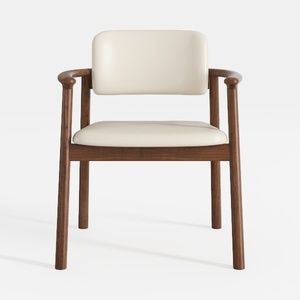
Minimalist Walnut Wood Faux Leather Upholstered Armchair 3D Model
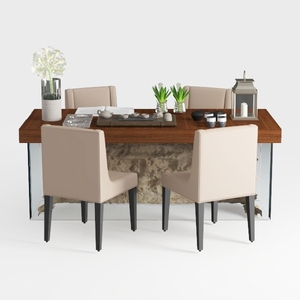
Modern Solid Wood Glass Upholstered Fabric Dining Table Set 3D Model

Modern Velvet Gold Trim Round Ottoman 3D Model
Homestyler offers an easy-to-use online design tool, realistic 3D renderings, inspiring interior projects, and helpful DIY video tutorials—everything you need to create and visualize your perfect home design effortlessly.
Progetta ora GRATIS
































