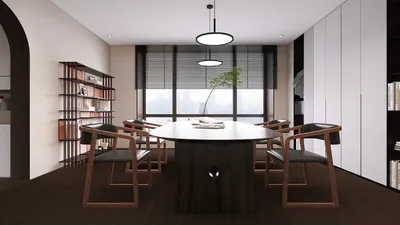


I have created numerous plaster coffee tables for clients seeking an artistic, tactile, and surprisingly resilient option. When executed correctly, plaster offers a delicate stone-like appeal, beautifully diffuses light, and complements both contemporary and vintage decor. In living spaces designed with optimal circulation ratios, an appropriately sized coffee table serves as a focal point for the seating arrangement, establishing a cohesive visual flow.
Considerations of size and comfort are essential. For optimal everyday use, ensure your finished coffee table height aligns with your seating—ideally between 16 and 18 inches for most sofas—while maintaining a clearance of 16 to 18 inches from the sofa edge to the table. Research by Steelcase indicates that clear reach zones can minimize strain during repetitive movements, and WELL v2 advocates for layouts that encourage mobility while reducing hazards. My lighting aim for living rooms is to achieve 100–300 lux as recommended by IES for residential tasks, ensuring the plaster’s subtle texture is visible without glare. If you plan your furniture arrangement in advance, using a room layout tool such as Homestyler can assist in testing necessary clearances and traffic patterns. For a user-centric approach to ergonomics, refer to WELL v2’s Movement concept and IES guidelines on lighting found on wellcertified.com and ies.org/standards.
Materials and Tools
Plaster systems can differ significantly. For DIY projects, I typically opt for a setting-type joint compound (known as powdered 'hot mud') or a lime/gypsum finishing plaster over a stable core. Required materials include plywood or MDF for the core, construction adhesive, screws, drywall tape, a setting compound with a 20–45 minute set time, finishing plaster, primer, high-quality acrylic paint, fine sandpaper (220–400 grit), wet/dry sponges, a mixing bucket, drill/driver, level, square, caulk gun, and an appropriate sealer for plaster. If spills are a concern, select a breathable sealer suitable for mineral substrates to maintain the plaster’s texture.
Design and Proportions
Begin by assessing the seating arrangement within the room. A standard three-seat sofa works well with a table measuring 48–54 inches in length. For sectional sofas, aim for a coffee table that is two-thirds the length of the longest seat. Ensure there is enough legroom on all sides and align heights to avoid wrist strain while reaching. I typically keep the tabletop thickness between 2 to 3 inches once plastered to maintain a robust appearance without feeling overly bulky. If you prefer organic shapes, a plywood template using a jigsaw can help; for a more streamlined rectangular design, ensure that all edges are slightly eased to prevent chipping and reduce glare under accent lighting.
Core Construction (Structure First)
The core is crucial for weight, stability, and durability. Construct a box or pedestal using 3/4 inch plywood or MDF, reinforcing it with internal ribs spaced 8 to 12 inches apart to avoid deflection. Strong connections can be achieved using pocket screws or countersunk wood screws combined with construction adhesive for a solid build. Check for squareness before attaching a top panel. If a rounded profile is desired, you can laminate foam board or flexible plywood to create curves and use lightweight filler to smooth transitions before applying plaster. Tape all seams for a neat finish as a smoother core leads to a cleaner plaster application.
Surface Prep and First Coats
Prepare the setting compound until it reaches a yogurt-like consistency and apply a base coat of 1–2 mm using a 10–12 inch taping knife. Embed tape on seams and edges carefully. Work in sections to avoid cold joints. After the initial setting, lightly sand down any high spots and sponge off any dust. The second build coat, also 1–2 mm, will help even out the surface; use long, overlapping strokes to minimize trowel marks. Ensure that it fully cures according to the product instructions. Effective ventilation can expedite the curing process without relying on fans that might cause uneven drying.
Finishing Plaster: Texture and Light
The finish layers are essential as they establish the character of the table. A polished plaster exudes a refined warmth under 2700–3000K lighting, while a matte lime finish offers an earthy feel with diffuse light highlights. Apply thin layers, and light burnish with a stainless trowel for a subtle shine, or utilize a damp sponge for a soft, clouded texture. Inspect the surface under raking light to identify any ripples. Strive for a balanced micro-texture that resists fingerprints but remains smooth for easy cleaning.
Edge Detailing and Durability
Sharp edges are prone to chipping. I round edges with a 2–3 mm filler before applying the finishing coats. Gain a little more thickness at the corners to enhance durability against impacts. Families with children may benefit from a thicker plaster wrap along the edges and a tougher topcoat. A breathable sealer will help maintain tactile quality while enhancing stain resistance, so it is wise to avoid solvent-based sealers that might darken or plasticize the surface.
Color Strategy and Psychology
The color of the table significantly influences its impact. Warm whites create a calming, inviting atmosphere; cool neutrals offer a more crisp, architectural feel. According to insights from color psychology, softer, desaturated tones can mitigate visual fatigue and enhance the sense of comfort. I usually keep the table a shade lighter than surrounding seating to draw attention without overwhelming the space. Test color swatches under natural lighting; the temperature can alter how the plaster appears—warm bulbs deepen creams, while daylight cools grays.
Lighting and Glare Control
Plaster benefits from layered, controlled lighting. Aim for a mix of ambient illumination around 150–300 lux combined with low-glare accent lights. Utilize broad-beam floor lamps or dimmable ceiling fixtures with diffusers to achieve the desired effect. Maintain shallow angles to prevent intense reflections on polished surfaces. If your gatherings frequently include visitors, consider an accent light providing 5–10 footcandles to highlight edges—this brings out the texture while softening reflections.
Sustainability and Materials
Lime and gypsum are mineral-based, and when paired with suitable primers and paints, they exhibit low VOC levels. Selecting FSC-certified plywood for the core is a sustainable choice. Opt for water-based sealers and paints with transparent emissions data. A surface that can be repaired contributes to longevity, enabling you to sand and re-plaster localized damage rather than replacing the entire table.
Step-by-Step Build Outline
1) Draft proportions that correspond to seating and circulation. 2) Cut and assemble core panels, adding internal ribs. 3) Smooth edges and create any required curves. 4) Tape seams and spot-fill imperfections. 5) Apply the first setting compound coat and sand to achieve a clean surface. 6) Apply the second leveling coat for refined flatness. 7) Finish with your chosen plaster texture and light burnishing, if desired. 8) Prime and paint or leave the surface natural based on your plaster choice. 9) Seal with a breathable product. 10) Allow to cure according to manufacturer’s recommendations before heavy use, typically for several days.
Maintenance and Everyday Use
Utilize coasters and gently clean with soft cloths. Avoid prolonged exposure to water and harsh chemicals. For minor scratches, lightly sand the affected area and reapply the finishing plaster, blending it into the surrounding surface. If the table is positioned near a window, ensure to shield it from direct, harsh midday sunlight to prevent uneven fading of colors.
Layout Testing and Placement
Once the table has cured, position it while confirming the necessary 16–18 inch reach distances, and ensure there are clear pathways of 30–36 inches to facilitate unobstructed movement around the seating area. For experimentation with a sectional or non-traditional room layout, you might find an interior layout planner like Homestyler beneficial in simulating traffic flow and table dimensions before finalizing designs.
FAQ
For a standard 84-inch sofa, aim for a coffee table length of 48–54 inches and a height of 16–18 inches, ensuring a clearance of 16–18 inches from the sofa front for comfortable access.
The weight varies based on the core material. A core made from plywood or MDF with thin plaster layers generally weighs between 30–70 lbs for mid-sized tables, making it considerably lighter than solid stone yet stable for everyday use.
Yes, you can use a breathable sealer. Promptly clean any spills, and be cautious of prolonged exposure to colored liquids; if the table sees significant use, re-seal it annually.
To enhance safety, round the edges, apply a more resilient finish coat, and use a durable sealer. The mineral surface remains low-VOC when paired with water-based products, making it suitable for family environments.
Using warm-dim lamps between 2700–3000K and maintaining ambient light levels of roughly 150–300 lux helps reveal texture without causing glare. Diffusers or shades are effective in softening reflections on polished surfaces.
Lightly sand the damaged section, apply a thin setting-compound patch, and then refinish with your chosen plaster, feathering the edges and matching colors if painted.
Yes, using a quality primer ensures an even porosity, promoting uniform drying for topcoats. If you prefer a natural plaster finish, you can skip painting and seal directly instead.
Plywood offers better handling for screws and moisture, while MDF provides a smoother finish but requires careful sealing. For curved forms, consider using bendable plywood over a ribbed structure.
Apply thin layers, ensuring long, overlapping strokes and inspect under raking light. A light burnishing and a final sponge pass can help smooth out any micro-ridges.
Matte lime and gypsum finishes can withstand minor scuffs, though they are not as tough as stone options. A sealer can improve their durability, and using felt pads under decor helps minimize wear.
Absolutely! You can mold the core using templates and bendable plywood, fill in the transitions, and then apply plaster. Gentle curves will enhance durability while softening the visual impact.
Maintain a distance of 16–18 inches to seating for easy reach and approximately 30–36 inch pathways to promote fluid movement while reducing the risk of accidents.
Looking to transform your space? Homestyler is your go-to online home design platform! With its user-friendly design tool, stunning 3D renderings, and a wealth of DIY video tutorials, you can effortlessly create and visualize your dream interiors. Start designing today!
Design Now for FREE
































