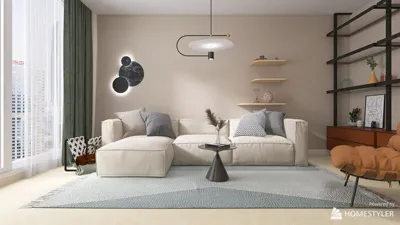


Having crafted numerous dining tables, I can attest that creating a modern, DIY piece is one of the most fulfilling home improvements. A dining table serves as the heart of family gatherings, influencing how we host and setting the ambiance for the entire room. When executed properly, a modern table harmonizes clean, defined lines, authentic materials, and ergonomic dimensions, making it both visually appealing and practical for everyday use. By utilizing tools like Homestyler, you can easily explore design possibilities for your table.
Establish Your Goals and Dimensions First
Prior to purchasing any materials, it's crucial to determine the intended use and size of your table. For enjoyable dining, aim for a height between 28 and 30 inches, with 29 inches being optimal according to NKBA kitchen ergonomics. Ensure you allow for at least 24 inches of width per person along the sides to avoid elbow clashes; a generous 30 inches per person offers a luxurious experience and enhances movement around the table. Research indicates that adequate personal space leads to reduced stress and improved collaboration, ideas that certainly apply to dining settings, particularly in multifunctional spaces that might also serve as study or project areas.
For those who frequently entertain, consider a table width of 36 to 40 inches to facilitate comfortable dish placement and easy reach; 42 inches is excellent for serving large dishes but may impede intimate conversations. It's advisable to allow for at least a 36-inch clear pathway around the table to facilitate ease of movement. To explore different layouts and understand traffic patterns before starting your construction, a tool like Homestyler can assist in visualizing leg placement, chair spacing, and turning areas.
Select a Material Palette with Purpose
Modern dining tables benefit from clarity in design: consider solid wood surfaces, powder-coated steel bases, or engineered woods finished with a durable, low-luster coating. It's wise to research sustainable wood options and composite materials, highlighting the importance of using FSC-certified hardwoods or low-VOC high-pressure laminates to protect indoor air quality. When selecting colors, neutral wood tones like oak, ash, or maple complement understated bases—think shades like charcoal, sand, or black—creating a serene focal point that adapts well to changing decor styles.
Color psychology suggests that muted palettes reduce visual fatigue, allowing diners to focus more on company and culinary offerings than on distracting visuals. Warm wood tones often foster comfort and connection, while a cooler base can visually stabilize the design. For darker spaces, a lighter tabletop can enhance brightness, especially under warm lighting around 2700 to 3000K.
Ergonomics: Ratios That Feel Right
Human factors play a vital role alongside construction methods. Ensure a minimum of 12 inches of legroom from the edge of the table to any supporting structure to avoid knee contact; aim for 26 to 27 inches of clearance beneath the table to accommodate most seating options. For spacing between chairs, allow for 22 to 24 inches from center to center to prevent clashes of armrests. If you plan to incorporate a mix of seating—benches on one side and chairs on the other—ensure a depth of about 16 to 18 inches for benches, with a 10 to 12-degree recline for comfort.
When it comes to rectangular tables, a practical seating guideline is width divided by 24 (rounded down) per side. For a 72-inch table, this translates to roughly three seats per long side and one at each end. Round tables encourage easy interaction; a 48-inch model comfortably accommodates four, while a 54 to 60-inch variant suits six people well. To avoid foot traffic issues, ensure the pedestal base is slim enough not to cause heel strikes when seated.
Selecting Structure: Tops, Bases, and Joinery
A modern tabletop is most visually appealing when it is 1 to 1.5 inches thick. If you prefer a lighter appearance, a 3/4-inch veneer over a sturdy core (such as Baltic birch ply) paired with a mitered apron can achieve the desired look without excess weight. Solid wood must be allowed to expand and contract seasonally—employ figure-eight fasteners or slotted holes to attach the top to the base. For bases, a rectangular trestle made from steel or oak provides rigidity and unobstructed legroom, and central beams should be avoided to maintain space.
Joinery should be straightforward and reliable: utilize mortise-and-tenon or well-crafted dowel joints for the base; employ threaded inserts for removable legs; and incorporate cross bracing discreetly within the aprons if the span exceeds 72 inches. If you opt for a cantilever design or slim profile, installing a lightweight steel subframe underneath the top will prevent warping.
Finishing Considerations: Texture, Durability, and Sheen
'Modern' does not equate to high gloss. A satin polyurethane or hardwax oil provides a tactile surface, decreases glare, and showcases grain patterns beautifully. The IES lighting principles emphasize glare prevention as essential for comfort—lower sheen surfaces scatter reflections, resulting in a cozier dining experience under pendant lights. For families, select finishes that resist heat and stains; water-based polys minimize VOCs and yellowing over time. Sand progressively from 180 to 220 grit, wipe with mineral spirits, test the stain on scrap pieces, and apply thin, even coats.
Proper Lighting Above the Table
Effective lighting enhances food presentation and minimizes eye strain. Position pendants so that they hang 28 to 34 inches above the tabletop—high enough to maintain clear sightlines while being low enough to avert glare. Aim for a light intensity of 300 to 500 lux on the table surface for meals and tasks, using a color temperature of 2700 to 3000K to introduce warmth. Incorporate dimming capabilities to adapt to various moods. For sound management, large fabric shades or wooden diffusers contribute to reducing noise, mitigating clatter from hard surfaces.
Step-by-Step Construction Guide
1) Determine dimensions: the size of the room, number of chairs, and necessary circulation space.
2) Choose materials: opt for sustainable hardwood or stable plywood; select steel or matching wood for the base.
3) Prepare the top: glue boards with alternating grain; clamp, plane, or sand to a flat finish.
4) Assemble the base: create legs and stretchers using mortise-and-tenon or dowel joinery; ensure everything is square.
5) Secure the top: utilize figure-eight fasteners or slotted brackets to allow for wood movement.
6) Sand and finish: vacuum debris, apply stain, and seal with either hardwax oil or satin polyurethane.
7) Setup lighting and verify sightlines: adjust pendant height, ensuring there’s no glare at seated eye level.
8) Style minimally: a low bowl or runner maintains a clear surface and complements your modern design.
Expert Insights from the Field
- In smaller spaces, beveling the underside of the tabletop edges can visually slim the profile without sacrificing strength.
- Powder-coated steel bases outperform painted wood in bustling homes due to their ability to resist scuffs.
- A slight rounding of edges (1/16-1/8 inch) can minimize chipping and enhance the tactile experience.
- For children's areas, select a tabletop finish rated above 2H for scratch resistance and test with utensils prior to installation.
- Attach felt glides under the legs to protect floors and minimize noise transmission.
Designing the Dining Zone
When your dining area doubles as a workspace, how you arrange the space is essential. Aim for a minimum of 36 inches between the table and walls, increasing to 42 inches near doorways to enhance flow. If you're unsure about choosing between rectangular or round tables for compact spaces, try out designs using a digital design tool like Homestyler to visualize leg placements and the arc of chair movements before making final cuts. Ensure that sightlines to windows remain unobstructed to balance natural light and reduce contrast ratios between the dining table and nearby surfaces.
Styling and Understanding Color Psychology
Modern design emphasizes simplicity: a central object, warm wood accents, cool metal features, and a limited color palette. Research from Verywell Mind indicates that warm colors encourage social interaction; incorporating a subtle warm runner or a decorative ceramic piece can invite conversation without cluttering the table. Steer clear of bold, high-chroma items directly on the tabletop, as they often draw too much attention and detract from the dining experience.
Sustainability Considerations for Your Builds
Choose responsibly sourced timber, consider reclaimed materials, and focus on low-VOC finishes. Ensure that any materials mixed in your design are recyclable and have clear end-of-life options. Durable construction lengthens the lifespan of your furniture; a well-constructed table can easily last a decade or more, therefore reducing waste. Additionally, where feasible, design for disassembly so that threaded inserts and detachable bases make repair and refinishing processes more straightforward.
Frequent Pitfalls to Avoid
- Oversizing the tabletop in proportion to the space, resulting in subpar circulation.
- Neglecting wood expansion; fixed tops can lead to cracking.
- Choosing high-gloss finishes that heighten glare and attract fingerprints.
- Positioning a central stretcher too close to the seating area, hampering legroom.
- Overlooking cable management under the table if the area functions as a workspace—maintaining a clean, modern appearance is crucial.
Frequently Asked Questions
Q1: What’s the optimal height for dining tables?
A: A height of approximately 29 inches is suitable for most chair heights, aligning with NKBA ergonomic recommendations for a comfortable dining posture.
Q2: How much space should be allocated around the table?
A: It's ideal to maintain a minimum clearance of 36 inches around walls and furniture; 42 inches is preferable in high-traffic areas for seamless circulation.
Q3: Which wood types balance durability with a modern appearance?
A: White oak, ash, and maple are stable options that accept finishes beautifully, fitting well into contemporary designs. For warmer tones, walnut can add richness.
Q4: What finish offers stain resistance without excessive gloss?
A: Satin or matte waterborne polyurethanes and hardwax oils provide durable, low-glare protection suitable for everyday use.
Q5: How can I avoid tabletop warping or cracking?
A: Ensure allowance for wood movement using figure-eight fasteners or slotted bracket holes, and acclimatize the wood to the room's humidity prior to assembly.
Q6: What pendant height minimizes glare while retaining clear sightlines?
A: Suspend pendants 28 to 34 inches above the tabletop and aim for a color temperature of 2700 to 3000K with dimming capabilities for optimal comfort.
Q7: Is a round or rectangular table better for encouraging conversation?
A: Round tables are excellent for intimate gatherings, fostering equal participation; rectangular tables accommodate more people and enhance serving effectiveness. The choice should depend on guest count and room dimensions.
Q8: How many individuals can a 72-inch table seat comfortably?
A: Typically, a 72-inch table can seat six to eight people comfortably, based on chair width. Aim for approximately 24 to 30 inches of space per person along the edges for comfort.
Q9: What is the simplest durable base for a DIY project?
A: A trestle design featuring mortise-and-tenon or dowel joints provides exceptional strength and ample legroom.
Q10: Is it possible to mix metal and wood without it appearing industrial?
A: Absolutely—pair warm wood tops with powder-coated steel in soft, neutral shades, and maintain slender proportions for a refined, modern aesthetic.
Q11: How can I minimize noise in a dining area with hard surfaces?
A: Incorporate rugs underneath the table, add fabric light shades, and utilize felt glides on chair legs. Soft materials absorb sound and decrease clatter.
Q12: What is the ideal width for a dining table?
A: A width of 36 to 40 inches caters well to most homes, balancing serving capacity with comfortable reach; 42 inches accommodates larger platters but may widen the distance for conversation.
Discover the ease of home design with Homestyler! This user-friendly platform offers an online design tool, stunning 3D renderings, and a wealth of DIY video tutorials. Whether you're a beginner or a seasoned designer, Homestyler helps you turn your vision into reality effortlessly!
Design Now for FREE
































