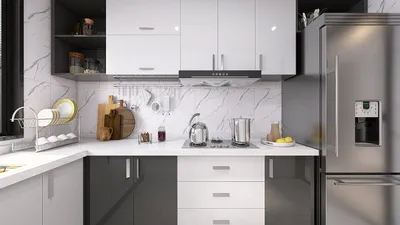


Brief Overview
- An effectively designed pantry cabinet not only improves kitchen functionality but also enhances its visual appeal, helping maintain an orderly and clutter-free environment.
- The typical width for a pantry cabinet ranges from 24 to 36 inches.
- Ensuring sturdiness involves using premium materials, fastening joints with screws and glue, and maintaining accurate alignment.
Creating a kitchen pantry cabinet can be a fulfilling DIY endeavor that boosts both functionality and aesthetic appeal within your cooking space. Regardless of your kitchen's dimensions, a thoughtfully crafted pantry cabinet aids in keeping the area organized and free of clutter, making it an excellent choice for anyone looking to enhance their culinary environment with tools like Homestyler.
Before starting the construction, gather all the required materials and tools. Below is a straightforward guide to assist you through the cabinet building process.
Required Materials and Tools
1. **Materials**: - Plywood (for the cabinet structure) - Solid wood (for shelves and doors) - Wood screws - Wood glue - Paint or wood finish - Cabinet hardware (such as handles and hinges)
2. **Tools**: - Circular saw or table saw - Drill - Measuring tape - Level - Sandpaper - Paintbrush or roller
Step-by-Step Guide to Construction
Begin by measuring the area where you intend to place your pantry cabinet, taking into account the height, width, and depth that would suit your kitchen best. Draw a sketch of your design, detailing the number of shelves and any door features you wish to incorporate.
Cut the plywood according to the dimensions you’ve planned, which usually involves two side panels, a top, a bottom, and several shelves. Ensure that your cuts are precise for a neat finish.
Attach the side panels securely to the top and bottom pieces using wood screws and glue, ensuring everything is square with the help of a level. After securing the frame, add shelves by utilizing shelf pins or brackets to allow for adjustable shelving.
If you opt for doors, cut them from solid wood to your preferred dimensions. Connect the doors to the cabinet frame with hinges, ensuring they operate smoothly, and consider adding a magnetic catch to keep them closed.
Sand all surfaces to smooth out any rough spots and prepare them for painting or staining. Apply the finish uniformly, making sure to allow it to dry completely. Lastly, install handles and any extra hardware you may want.
Tips for Building Success
1. **Select Quality Materials**: Prioritize high-grade plywood and wood to enhance durability. 2. **Accurate Measurements Are Key**: Always double-check your measurements to prevent errors before you begin cutting. 3. **Use a Level**: Keeping everything level during the assembly process is vital to avoid complications later on.
Frequently Asked Questions
Q: What is the optimal size for a kitchen pantry cabinet? A: The size of your pantry cabinet should depend on both your kitchen space and your storage requirements, with a common width falling between 24 to 36 inches.
Q: Is it possible to customize my pantry cabinet's design? A: Yes! You are free to adjust the design, dimensions, and features according to your own tastes and kitchen layout.
Q: How can I ensure my pantry cabinet remains sturdy? A: Opt for high-quality materials, secure all joints with screws and glue, and ensure everything is aligned correctly during assembly for best results.

Minimalist Solid Oak Floating Shelf 3D Model
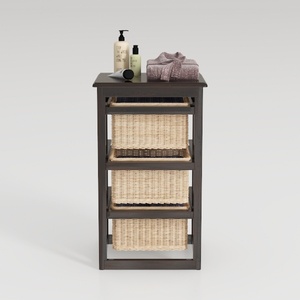
Modern Dark Wood Rattan Basket Storage Cabinet 3D Model
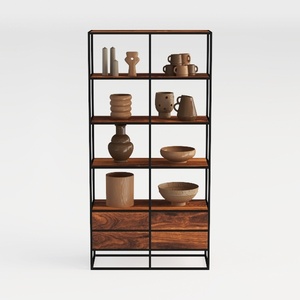
IRONCK Bookshelves 5 Tiers, Corner Bookshelf with
Homestyler is your go-to online platform for transforming your home design dreams into reality! With its user-friendly design tool, stunning 3D renderings, and a treasure trove of inspiring projects and video tutorials, anyone can create beautiful spaces effortlessly. Start designing today!
立即免费设计
































