


Building a 3D model of a DNA double helix is an excellent way to visualize the remarkable structure of genetic material. Whether you are engaged in a school project, preparing an educational exhibit, or simply seeking a better understanding of DNA, creating a hands-on model can be both enjoyable and informative. Here's a detailed step-by-step guide on how to craft an accurate 3D depiction of a double helix:
As a designer, my focus always centers around structure combined with visual aesthetics. To effectively display your 3D double helix, think about placing it in a sleek, minimalist environment with thoughtful lighting. If you are looking for ways to digitize the modeling process or visualize intricate biological structures in your presentations, utilizing tools like Homestyler can significantly enhance your project—providing you with photorealistic renderings of your model set within interior spaces.
Tips 1:
To boost the educational aspect of your project, consider using labels or color-coded keycards that indicate which bead colors correspond to each DNA base. For added realism, incorporate materials with varying textures for each component, promoting both a tactile and a visual learning experience.
FAQ
Q: What materials are best for constructing a durable DNA model?
A: Utilizing flexible pipe cleaners along with firm clay balls or plastic beads makes for a sturdy and user-friendly option, perfect for both classroom settings and home displays.
Q: What should be the size of my 3D DNA model?
A: The size may vary based on your requirements—generally, a length of 12 to 24 inches (30-60 cm) is practical for most educational objectives, but feel free to adjust as necessary.
Q: Can this approach be used for biology fairs or science exhibits?
A: Definitely! Just ensure that you maintain accurate color coding and proper pairing of DNA bases to reflect scientific accuracy.
Q: Is there a digital tool available to create 3D models of DNA structures within a contextual room?
A: Yes, utilizing 3D rendering software and home visualization tools like Homestyler can help integrate detailed models, enabling you to present your educational projects in lifelike environments.
Q: How can I enhance the realism of the helix?
A: Gently and consistently twist the ladder structure, and consider using clear or metallic wires to hold the base pairs, creating an effect where they seem to float.
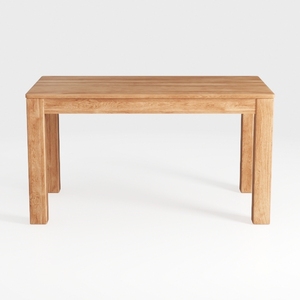
ZQQLVOO Writing Computer Desk,Home Office Desk,Hom
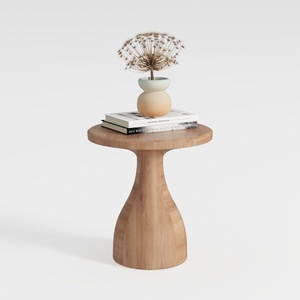
Minimalist Solid Wood Round Side End Table 3D Model
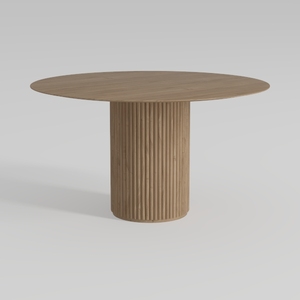
Minimalist Solid Oak Fluted Round Dining Table 3D Model
Homestyler is your go-to platform for transforming home design dreams into reality. With its user-friendly online design tool, stunning 3D renderings, and a wealth of DIY tutorial videos, you can effortlessly explore endless possibilities for your space, no matter your skill level!
立即免费设计
































