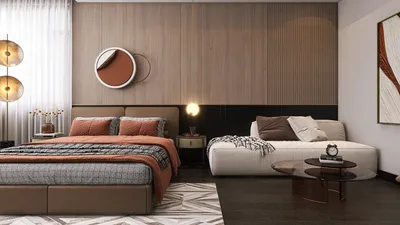


When it comes to securing spaces, I view room fastening as a multi-layered approach, encompassing physical security, structural strength, and occupant comfort. Choosing appropriate anchors, hardware, and edge details effectively diminishes risks, noise, and wear, all the while ensuring the area remains versatile. Through my experiences in both workplace and residential settings, I've witnessed the consequences of improper fastener choices leading to wall failures, misaligned doors, and serious tipping hazards. In contrast, implementing intelligent fastening techniques significantly prolongs the lifespan of finishes and fittings without detracting from their usability. Incorporating tools like Homestyler can help visualize and manage these installations effectively.
The importance of prioritizing these factors is backed by solid data. Research from Steelcase reveals that changes in posture and micro-movements throughout the day necessitate that furnishings are both stable and adaptable. Otherwise, users may make compensatory adjustments that increase physical strain. Employing secure mountings and adjustable, well-fastened components is essential for maintaining ergonomic support (Steelcase Research). Furthermore, the WELL v2 Building Standard emphasizes the connection between physical safety, environmental comfort, and occupant wellness, integrating aspects like noise management and glare control—both of which are heavily influenced by the fastening and sealing methods employed for partitions and fixtures (WELL v2). My fastening strategies incorporate these health and behavioral considerations, rather than strictly adhering to structural guidelines alone.
Evaluate the Substrate Prior to Selecting Fasteners
The material of the substrate determines the appropriate fastener type. For example, in gypsum boards, toggles or metal molly anchors are suitable for medium loads, while studs should be sought for heavier items. In concrete masonry units (CMU) or poured concrete, expansion or screw anchors with adequate embedment are far superior to basic plastic plugs. For wooden framing, structural screws or lag bolts guarantee strong resistance against shear and pull-out forces. It’s crucial to assess moisture content and density, verify the presence of mechanical, electrical, and plumbing (MEP) elements behind the wall, and map out stud spacing to prevent unforeseen failures and costly repairs. If layout adjustments are anticipated, I typically test a few anchor positions initially, and then optimize placements using a room layout tool, like the one available in Homestyler, to visualize mounting zones and cable pathways.
Door Systems, Frames, and Access Control Hardware
The functionality of doors is heavily reliant on the integrity of hinge screws, strike plates, and frame anchorage. Implementing through-bolting on hollow metal doors minimizes the risk of tear-out from frequent usage, while long screws drilled into the framing at the hinge locations maintain alignment and prevent sagging. For access control systems, it’s vital to install readers and electric strikes using vibration-dampening grommets to mitigate false readings and rattling. Additionally, weatherstripping and adaptable thresholds that are secured with corrosion-resistant screws improve acoustic insulation and decrease energy loss. Hardware placement should comply with ADA clearances and ergonomic reach standards; ideally positioned fasteners can enhance user comfort while avoiding awkward grips or unsafe wrist positions.
Securing Storage Furniture, Shelving, and Wall Units
In terms of bookshelves and upper kitchen cabinets, I make it a practice to secure into studs every 16 inches wherever feasible, and utilize ledger rails to help distribute load weight. In commercial environments, I specify the use of continuous steel brackets for extended runs to limit deflection. Safety against tipping is non-negotiable—implementing cabinet anti-tip straps or L-brackets attached to the framing is essential. I also ensure that the finish of the fasteners aligns with the hardware aesthetics (such as black oxide or brushed stainless) to eliminate visual clutter. When fluctuations in temperature or humidity are expected, I incorporate slotted mounting holes that allow for seasonal movement, thus preventing materials from splitting.
Mounting TVs, Monitors, and Audio-Visual Equipment
When it comes to mounting displays, balancing structural integrity with ergonomic considerations is crucial. Articulating arms should be bolted through to plates or anchored to studs; toggle bolts should only be used for lighter loads. Ensuring compatibility with VESA standards, checking cantilever reach, and allowing for some cable slack are essential practices. Research by Steelcase highlights that proper posture and sightline alignment enhance comfort and focus; therefore, fastening arms at heights that promote neutral neck angles reduces the risk of strain (Steelcase Research). Additionally, I incorporate felt washers or neoprene pads behind mounting plates to minimize micro-vibrations that can lead to noise disturbances.
Partitioning, Acoustic Panels, and Sound Management
The acoustic capabilities of a space are largely dictated by the fastening methods employed. Rigid direct screw-fixing can transmit sound efficiently, while decoupled clips, resilient channels, and isolation mounts break sound pathways effectively. Edges should be treated with continuous sealants and gasketed trims to limit sound leakage. In the case of ceiling clouds, I employ rated anchors alongside safety cables in addition to primary hangers. The WELL v2 standard underscores the connection between acoustic comfort and overall well-being; fastening strategies that isolate vibrations and maintain perimeter seals can significantly diminish distractions (WELL v2). In open office environments, I prefer modular acoustic panels with concealed fasteners to ensure reconfiguration remains seamless.
Flooring Transitions, Edges, and Profiles
Proper fastener selection and alignment are fundamental for secure and safe transitions. For metal transition strips, I utilize countersunk screws placed according to recommended spacings to avoid tripping hazards; pre-drilling is essential to prevent substrate cracking. Adhesive-only thresholds may work for low-traffic zones, but I generally incorporate mechanical fixings in entryways and corridors. In areas prone to moisture, stainless steel fasteners and butyl-backed profiles provide both corrosion resistance and sealing capabilities.
Bathroom Fixtures and Hardware for Wet Areas
For bathroom installations – such as grab bars, shower doors, and towel rails – anchoring into studs or solid blocking is crucial. I select stainless or brass fasteners, equipped with neoprene washers to safeguard finishes and eliminate issues with galvanic corrosion. ADA-compliant grab bars must adhere to specific load requirements; I identify locations for blocking during the framing phase and confirm placement with a stud finder prior to drilling through tiles. Sealing penetrations with silicone is vital to prevent water infiltration and mitigate mold risks.
Ceiling Fixtures: Lighting, Fans, and Sensors
Support for ceiling loads necessitates the use of rated electrical boxes or appropriate anchors. For ceiling fans, I rely on fan-rated boxes and through-bolts when accessible. Lighting tracks should be secured with multiple fasteners spaced evenly along their length to distribute weight effectively and avoid sagging. To combat glare and flickering—factors addressed in both WELL v2 and IES guidelines—I carefully place fixtures to minimize direct line-of-sight hotspots and fasten baffles or louvers with vibration-resistant screws for a stable setup.
Child Safety, Senior-Friendly Fastening, and Consideration of Human Factors
Focusing on human-centered fastening practices is key to reducing risks in daily scenarios. Anti-tip straps for dressers, magnetic locks for cabinets, and appropriately placed TV brackets help secure environments for children. For elderly individuals, positioned grab bars that are easily accessible and lever handles with well-anchored rosettes enhance usability. Avoiding sharp fastener heads in areas of frequent contact and using tamper-resistant screws in vulnerable spots further enhances safety.
Material Compatibility and Corrosion Prevention
Selecting the right fasteners for specific materials is essential. On exterior walls or damp environments, using stainless or hot-dip galvanized screws will outperform zinc-plated alternatives. Pre-drilling is necessary in hardwoods to avoid splitting, and when working with fragile tiles, employing diamond-core bits along with low-pressure anchors prevents blowouts. To mitigate galvanic reactions between dissimilar metals, I utilize nylon washers to create separation.
Removability, Adaptability, and Long-Term Planning
As spaces evolve, my preference is for fasteners that allow seamless removal, such as threaded inserts, French cleats, and concealed brackets. It’s vital to document hidden blocking on plans and maintain a hardware schedule to inform maintenance crews about elements hidden behind finishes. Consistent fastener types for modular furniture make reconfiguration straightforward.
Planning Layouts and Fastener Positioning
A strategic fastening approach initiates with an organized layout. I identify stud locations, conduit paths, and heavy load zones, then simulate fixture clearances using an interior layout planner like Homestyler, verifying reach, sightlines, and door swing compatibility. This methodology significantly reduces the need for rework and ensures intentional penetrations are made.
On-Site Protocols: Precision and Neat Finishes
To maintain accuracy, I utilize painter’s tape and a punch to avoid wandering bits, vacuum while drilling to protect finishes, and confirm appropriate torque settings to prevent strip-outs. Ensuring fastener heads align uniformly and that exposed screws match the hardware finish contributes to a coherent and thoughtful aesthetic.
Frequently Asked Questions
Match the load to the anchor type: use plastic anchors for light decor, metal molly anchors or toggle bolts for medium loads, and always secure to studs for heavy items like cabinets and TVs. It’s best to test a single point before proceeding with a full installation.
Choose a VESA-compatible bracket anchored firmly into the studs using lag screws. It's crucial to assess the wall's structure, keep cables slack, and consider adding a secondary safety tether if using fully articulating arms.
To decouple panels, employ resilient clips; seal edges to prevent sound flanking, and use isolation mounts for ceiling clouds. Steer clear of using rigid continuous screws that can transfer vibrations.
Opt for stainless steel (304/316) or solid brass screws and anchors. Pair them with neoprene or nylon washers, and seal all penetrations with silicone for maximum durability and protection.
Definitely—install anti-tip straps for dressers, use tamper-resistant screws for wall-mounted pieces, and consider magnetic locks for cabinets. Ensure displays and heavier decor items are mounted out of children's reach.
Position the top of the screen around eye level to keep the neck in a neutral position. Installing arms at heights that allow forearms to be parallel while typing will ensure stable alignment despite daily adjustments.
While adhesives may suffice for lightweight, non-structural applications on appropriate surfaces, for heavy loads or areas exposed to impacts or moisture, I recommend combining adhesives with mechanical fasteners for greater reliability.
Utilize a template and place tape on the surface, using a diamond-core bit at lower speeds to drill, and ensure you’re anchoring into solid backing. Always pre-drill the tile before working into the substrate, and take care not to overtighten.
Make use of expansion anchors or screw anchors that match the bracket and load requirements, ensuring correct embedment depth, and aim to avoid mortar joints where possible for added stability.
Plan out the position of studs and services, labeling blocking accordingly, and simulate fixture placements using a layout simulation tool like Homestyler to assess reach and potential conflicts. Keep a complete hardware schedule at hand for future maintenance.
Absolutely—secure baffles, louvers, and indirect lighting elements using vibration-resistant screws to maintain consistent alignment. Position these fastened components to minimize direct sightline exposure to light sources.

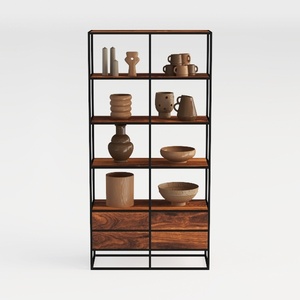
IRONCK Bookshelves 5 Tiers, Corner Bookshelf with
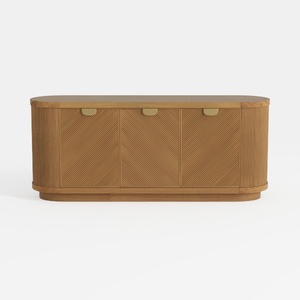
Modern Minimalist Solid Wood Fluted Sideboard with Brass Accents 3D Model
If you're looking to design your dream space, Homestyler is your go-to online platform! Its user-friendly design tool enables you to create stunning interiors effortlessly. With impressive 3D renderings, a wealth of design projects, and helpful DIY video tutorials, transforming your home has never been easier.
Design Now for FREE
































