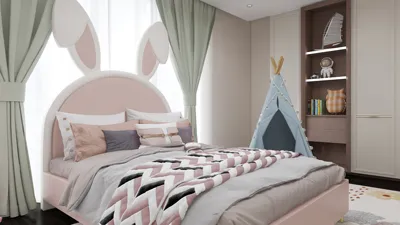


In my experience, painting over a textured wall to save time backfired when the new color accentuated every bump, resembling a topographical map — the client even referred to it as 'modern cottage cheese.' I learned the importance of achieving a smooth finish extends beyond merely rolling on paint with optimism. With each wall preparation, I visualize the space to determine if a flawless finish justifies the required investment of both time and money, often aided by tools like Homestyler for visualization.
1. Sanding and Feathering the Surface
Sanding is the advisable method for wall preparation. I utilize a sanding block on smaller patches and an orbital sander for expansive walls, transitioning from coarse to fine grit to ensure seamless edges. While it is a cost-effective and quick solution, it can be dusty and messy — it's essential to wear a mask and protect furniture during the process.
save pin
2. Applying a Skim Coat with Joint Compound
For walls with significant texture or an orange-peel finish, using a skim coat of joint compound is quite effective. Apply it with a broad knife, allow it to dry, and then sand it to a smooth finish. The result is a professional look that retains paint excellently. Although it requires more effort and drying time, the final product is a flat, durable surface.
save pin
3. Spot-Repair Using Spackle and Primer
Small imperfections such as dents, nail holes, and runs can typically be addressed with lightweight spackle and a quick block sanding. I consistently prime the patched areas before repainting to ensure uniformity in sheen and color. This method is budget-friendly and impactful, though it won't suffice for heavily textured surfaces.
save pin
4. Utilizing High-Build or Sandable Primer
If a skim coat isn't desirable, a high-build or sandable primer can effectively fill in minor imperfections and reduce sanding time. This approach requires less preparation compared to joint compound and is especially useful for refreshing rental properties. However, it should be noted that it may not perform miracles on deep textures.
save pin
5. Deciding When to Repaint or Hire a Professional
In some instances, the wisest choice is to apply a fresh coat with leveling paint or enlist professional assistance for re-plastering, particularly on large walls or historically significant surfaces. If you're working on a kitchen, consider the overall workflow: smoother walls will enhance the aesthetics surrounding cabinets and backsplashes. Although hiring professionals may incur higher costs, it ultimately saves time and ensures a consistently smooth finish.
save pin
Finishing Touches and Budget Considerations
Always sand between paint coats and use high-quality brushes or rollers to prevent stippling. If you're working with a limited budget, concentrate on high-visibility areas while employing spot repairs in less noticeable locations. To visualize the final outcome before committing, I frequently utilize realistic finish previews using tools like Homestyler, allowing me to see how light interacts with the walls.
save pin
Frequently Asked Questions
Q1: Is it possible to sand painted walls without stripping the old paint?
A1: Absolutely — light sanding and scuffing prepare glossy surfaces for new paint. For homes built before 1978, it's crucial to test first and adhere to safety guidelines.
Q2: What type of sandpaper is recommended?
A2: Begin with 80–120 grit for coarse textures, then progress to 180–220 grit for final smoothing. Be careful to finish with a light touch to avoid damaging the drywall.
Q3: Is skim coating a challenging task for a DIY enthusiast?
A3: It is manageable with practice; try small walls and practice boards first. Expect a learning curve — your initial attempts may require multiple passes.
Q4: How long should one wait between applying a skim coat and painting?
A4: Joint compound typically requires 24 hours to dry fully, depending on thickness and humidity, followed by sanding and priming before painting.
Q5: Can a drywall compound be applied over painted drywall?
A5: Yes, however, any rough or glossy paint should be either scuffed or removed for proper bonding of the compound. Using a bonding primer is also beneficial.
Q6: What measures should I take regarding lead paint risks?
A6: For homes built prior to 1978, it's wise to arrange for a certified lead inspection and adhere to EPA Renovation, Repair and Painting (RRP) guidelines to ensure safety for occupants and workers (for details, visit https://www.epa.gov/lead).
Q7: Will a fresh coat of paint conceal small imperfections?
A7: High-quality paint can hide minor flaws, but under bright lighting and close inspection, bumps may still be noticeable. Proper preparation is key to achieving the best long-term appearance.
Q8: When is it advisable to hire a professional?
A8: Engaging professionals is recommended for extensive areas, significant cracking, moisture issues, or if you desire guaranteed flatness; their expertise and tools help reduce rework and conserve time.
save pin
Discover the creative potential of Homestyler, the ultimate online home design platform! With its user-friendly design tool, stunning 3D renderings, and a wealth of inspiring design projects and DIY video tutorials, transforming your space has never been easier. Elevate your home design experience today!
Design Now for FREE
































