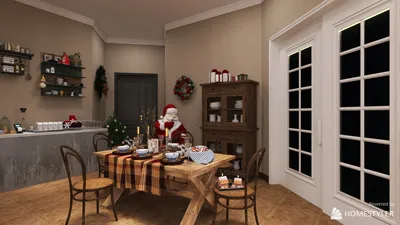


Direct Answer
The Will & Grace apartment set was crafted as a modular TV stage designed specifically to facilitate multi-camera shooting, optimize audience viewing, and enhance storytelling. Set designers built partial walls, expanded walkways, and exaggerated room dimensions to allow camera mobility while keeping the apartment believable as a typical New York residence.
What appears on-screen as a contemporary Manhattan apartment was, in truth, a meticulously planned production setup.
Quick Takeaways
Introduction
When discussing iconic sitcom interiors, the Will & Grace apartment set consistently stands out. Having worked on multiple home interiors inspired by TV shows, I find this set particularly interesting because it merges authentic interior design principles with the technical needs of television production.
On screen, it resembles a stylish yet plausible Manhattan apartment. Off screen, it's more of a theatrical stage arranged for camera equipment, lighting, and a live audience. The design, scale, and furniture arrangement were as deliberately crafted as any professional interior design, only defined by a distinct set of constraints.
For those interested in how TV homes are fabricated, understanding the digital tools used in early design phases can be insightful. Many productions now utilize software akin to Homestyler, enabling interactive, AI-enhanced interior visualizations prior to physical set construction.
This article will examine how the Will & Grace apartment set was developed, the reasons behind its larger-than-life feel, and what priorities production designers focus on when creating sitcom living spaces.
save pin
The Role of Production Design in Sitcom Apartments
Key Insight: Sitcom apartment designs prioritize storytelling and camera movement over absolute realism.
Production designers approach sitcom interiors with goals distinct from those of typical residential designers. Instead of aiming for perfect authenticity, the space must facilitate dialogue, movement, and clear visuals.
In sitcoms like Will & Grace, the apartment acts as a stage for narrative action. The living area, kitchen entrance, and hallway are arranged so actors can smoothly enter scenes while remaining visible from multiple camera angles.
Many TV production designers have backgrounds in architecture or theater. According to interviews from the Art Directors Guild, sitcom sets are often conceptualized like theater stage plans before physical construction.
How the Will & Grace Apartment Set Was Constructed
Key Insight: The apartment was built as a modular stage with removable walls and exaggerated room sizes.
Located on an NBC Studios soundstage rather than an actual apartment, the iconic set created the illusion of a complete home, though only essential areas were fully realized.
The main functional spaces included:
These areas were linked in a horseshoe layout facing the audience, with no walls behind the cameras.
Before large-scale physical set assembly, design teams often tested these configurations using digital planning platforms similar to Homestyler's 3D floor planning environments for spatial experimentation.
save pin
Camera Angles and Wall Placement Decisions
Key Insight: Wall placements in sitcom sets prioritize camera viewpoints over interior design aesthetics.
Will & Grace used a typical three-camera setup for sitcom filming. Each camera needed unobstructed views of the actors.
Consequently, walls were strategically positioned to:
It's a common misconception that the apartment's proportions were realistic. In truth, rooms were stretched horizontally to accommodate simultaneous filming from three cameras.
This technique, often called "cheating the geometry," gives audiences the impression of a genuine home despite the implausible layout.
Why Sitcom Apartments Appear Larger on Screen
Key Insight: Sets feel more spacious because circulation areas are enlarged while private spaces are minimized.
An underlying trick in the Will & Grace set design is prioritizing space where interactions take place.
Typical layout adaptations consist of:
Such strategies ensure scenes remain visually engaging without cramped camera setups.
Answer Box
The success of the Will & Grace apartment set lies in production designers balancing realism with camera logistics. Enlarged common areas, movable walls, and deliberately arranged furniture enabled natural actor and camera movement while preserving the feel of a Manhattan residence.
save pin
Set Flexibility for Multi Camera Filming
Key Insight: Adaptability is crucial due to the long, continuous filming sequences with live studio audiences inherent in sitcom production.
The set supported quick scene changes; unlike films that rely on frequent cuts, sitcoms often play scenes in extended takes.
To address this, the set included:
This flexibility keeps filming efficient during tapings that can extend for hours.
Design Choices That Defined the Apartment Personality
Key Insight: Visual design decisions are driven more by character personality than strict realism.
Will & Grace’s apartment echoes Will Truman’s refined, artistic, and somewhat theatrical nature. Colors, artwork, and furniture proportions were all chosen to emphasize his identity.
Core design features involved:
Designers often used digital planning tools comparable to Homestyler for prototyping layouts that emphasize character-driven aesthetics and spatial harmony.
save pin
How Set Design Influences Audience Perception
Key Insight: Spatial design subtly conveys character traits to viewers subconsciously.
Elements like furniture scale, color schemes, and hierarchical layouts communicate personality, social status, and lifestyle cues.
In the Will & Grace apartment set:
These thoughtful choices help the apartment remain memorable long after viewers watch a single episode.
Final Summary
FAQ
Was the Will & Grace apartment a real apartment?
No, it was a soundstage set constructed specifically for television production purposes.
How large was the Will & Grace apartment set?
Much larger than a typical Manhattan apartment to accommodate multiple cameras and lighting setups.
Why do sitcom apartments look bigger than real ones?
Sets enlarge living spaces and remove walls to allow for clear camera coverage.
What makes the Will & Grace apartment set design distinctive?
Its design harmonizes character expression with practical production demands, creating an aesthetic yet functional filming environment.
Are sitcom apartment layouts realistic?
Generally not; sitcom sets often use altered proportions and missing walls for camera accommodation.
How are television apartment sets constructed?
They are built on soundstages using modular structures, lighting grids, and widened pathways.
Did the Will & Grace apartment change throughout the series?
Yes, revival seasons introduced updates to furnishings, color palettes, and artwork.
What defines multi-camera sitcom set design?
It’s a setup designed to enable filming scenes simultaneously with three or more cameras.
References
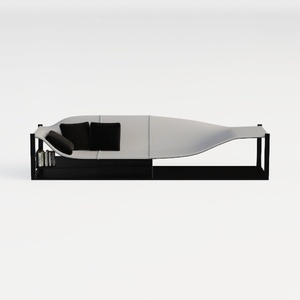

Modern Minimalist Black Metal Leather Fabric Chaise Lounge Sofa 3D Model
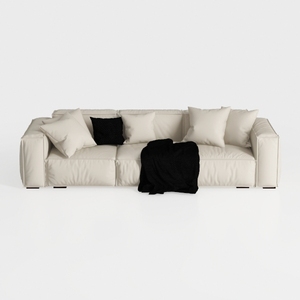
Minimalist Modern Leather Wide Sofa With Throw Pillows and Blanket 3D Model
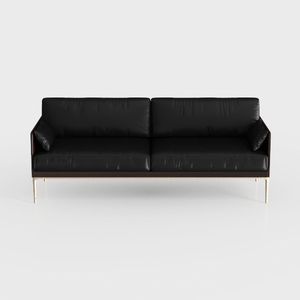
Modern Minimalist Black Leather Wooden Frame Sofa 3D Model
Homestyler is an easy-to-use online home design platform offering powerful 3D rendering, a vast collection of design projects, and helpful DIY video tutorials. It’s perfect for anyone looking to create and visualize stylish interior spaces effortlessly.
立即免费设计
































