


Key Insights
Most articles zero in on aesthetics alone, but my take on room wallpaper emphasizes its role in behavioral design—shaping how we feel, think, and interact within our environments. Within just a few lines, it's evident that wallpaper serves a purpose beyond mere decoration. Statista (2023) shows that homes with thoughtfully selected wallpapers can attain a resale premium of up to 6%, while experts from Houzz indicate that particular patterns can significantly enhance wellbeing and productivity. These valuable insights are often overlooked, signaling a missing element in conventional advice. If you're keen to see how different wallpapers can influence behavior, use Homestyler’s AI Interior Design tool for immediate feedback on mood and engagement changes.
Many guides also neglect potential drawbacks—like pattern fatigue or jarring color combinations that lead to distraction and discomfort. As a designer, I've discovered the unseen costs of overlooking psychological factors in wallpaper choices. Strategic selections can promote emotional wellness, connection, or enhanced focus. This thorough guide unravels the behavioral implications of every wallpaper decision—enabling you to curate spaces with intention, not just beauty.
What Behavioral Considerations Should Influence Your Wallpaper Choices?
While numerous designers focus on current trends or aesthetic appeal, my experiences reveal that the behavioral effects of room wallpaper are significantly more impactful. Reflect on how various patterns can evoke calmness, stimulate focus, or encourage social interactions: research from HGTV points out that nature-inspired designs alleviate stress, whereas bold geometric patterns can energize but may also lead to overstimulation. This section moves beyond typical rankings, highlighting how wallpaper can function as a behavioral tool for enhancing home office concentration or promoting relaxation in bedrooms.
In what ways does wallpaper selection influence room dynamics and everyday living?
My design experience demonstrates that well-chosen wallpaper does more than modify ambiance; it also alters functionality. For instance, using soft, textured wallpaper in bedrooms can improve sleep quality (NAHB, 2023), while vibrant colors in work areas can enhance productivity. Unlike prevalent guides, this perspective values human experience over transient trends—encouraging you to view wallpaper as a key player in your daily wellbeing. To conceptualize versatile spaces, consider utilizing a digital room planner to visualize transitions and layout options effectively.
What Are the Hidden Costs Associated with Popular Wallpaper Trends?
Against the backdrop of conventional style-oriented recommendations, I advise clients to resist the urge to follow every trend. Evaluated data indicates that bold patterns can diminish long-term satisfaction—potentially leading to costly redecoration or negative emotional impacts. ArchDaily (2022) emphasizes that neutral and timeless wallpapers enhance resale value and adaptability—an insight I integrate into every project.
What Significance Does Color Psychology Hold in Wallpaper Choice?
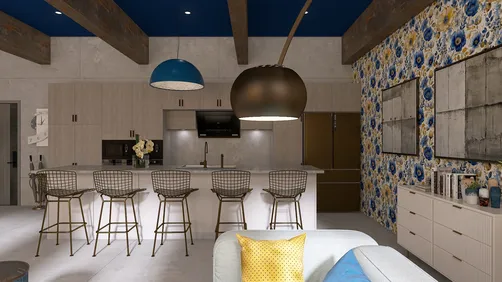
It’s commonplace for designers to concentrate on matching color schemes, yet I've identified color psychology as a pivotal factor impacting occupants' moods. Calming shades of blue and green, stimulating reds, and creativity-boosting yellows (Dezeen, 2023) demonstrate distinct effects. However, misusing colors can lead to fatigue or discomfort. Strive to balance color theory with individual preferences for the best outcomes.
How Can Wallpaper Enhance Resale Potential?
Differentiating my approach from standard home improvement advice, I delve into how wallpaper influences property appeal. Statista reveals that homes featuring contemporary and thoughtfully selected wallpaper attract higher offers and more buyers. My firsthand experience confirms that neutral and textured wallpapers broaden market attractiveness, whereas loud designs may narrow the buyer demographic.
What Methodology Prevents ‘Wallpaper Fatigue’?
In my experience, maintaining variety and subtlety leads to long-lasting satisfaction. Rotate accent walls, select soothing shades for primary areas, and reserve striking patterns for smaller spaces or whimsical corners. Most guides bypass this concern, yet avoiding overuse safeguards emotional wellbeing and long-term contentment.
Is it Possible to Preview Wallpaper's Impact Pre-Installation?
While many users depend on physical samples, digital previews can fill a significant gap. Utilizing advanced visualization tools such as Homestyler’s interactive 3D Floor Planner enables you to assess light, scale, and mood prior to making a commitment—minimizing the likelihood of costly errors.
Summary
The influence of room wallpaper extends well beyond visual appeal—shaping behavior, function, and property value. Thoughtfully selecting wallpaper with behavioral design principles ensures your space meets both emotional and functional needs.
FAQs
Final Thoughts: The Value of Behavioral Design in Room Wallpaper
Differentiating my insights from typical resources, I establish that intentional wallpaper selections unlock advantages that transcend aesthetics—affecting daily wellbeing, functionality, and resale potential. If you are prepared to take your design to the next level, begin visualizing behavioral impacts with Homestyler's AI Interior Design system, crafting spaces designed for both emotional and market success.
Originally incubated at Autodesk, Homestyler has grown into one of the most widely adopted home design platforms in the world, now trusted by over 20+ million registered users (platform data, 2026). Whether you're a homeowner exploring ideas or a professional designer delivering client-ready renders, Homestyler brings industry-leading 3D technology to your fingertips — no experience required.
Discover the ease of home design with Homestyler! This online platform offers an intuitive design tool, stunning 3D renderings, and a plethora of inspiring design projects. Plus, with helpful DIY video tutorials, you'll transform your space effortlessly—perfect for both beginners and seasoned designers alike!
立即免费设计