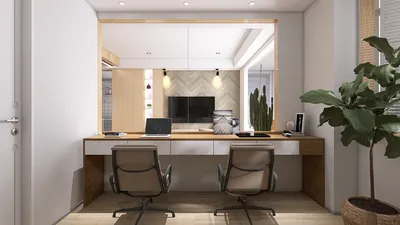


In contrast to conventional guides that merely view pink decorations as a delicate touch, I consider them as a significant behavioral design element. The common misconception is that pink's influence is solely visual. However, recent insights from design psychology illustrate that pink can affect perceptions, emotions, and even productivity when applied thoughtfully. This article will introduce you to innovative, research-based methods that break away from the typical ‘baby girl’s room’ stereotype, revealing untapped market opportunities and cost-saving strategies. Before settling on your next color, discover how pink can enhance your space, facilitate spatial planning, and promote well-being. According to the 2023 Statista report, pink has emerged as a leading trend in urban renovations, yet few resources guide you on how to effectively utilize it for customized outcomes. If you’re keen to rethink the role of pink, consider using AI Interior Design tools like Homestyler to visualize dynamic layouts and uncover new potential.
How Can Pink Decorations Transform Behavioral Design?
While many designers highlight pink’s affectionate connotations, my experience at UCLA indicates that this color can actually reduce stress and enhance concentration when applied in office settings or multifunctional homes. As per a 2021 NAHB survey, subtle pink shades assist renters in perceiving spaces as larger and more welcoming, which can heavily influence lease decisions. Contrary to standard guides, I put more emphasis on the psychological effects of pink rather than merely coordinating colors—especially in adaptable living areas.
Does Pink Influence Mood in Varying Environments?
Based on my findings, the answer is yes, but there are intricacies involved. The particular hue and depth of color are crucial. Bright pink can invigorate communal areas, while softer pinks create a calming effect in transitional spaces, lessening visual fatigue (as pointed out by Emily Carter on Houzz). Rather than giving generic advice, I advocate for a careful application of pink to subtly differentiate functional zones, especially in open-concept homes.
What Potential Risks or Costs Come with Pink Decorations?
Many recommendations neglect issues like color fading and light reflection: intense pinks may reflect excessive light, causing glare and accelerating wear on decor. Evidence suggests that pink fabrics in high-traffic spaces should be fade-resistant. Instead of generic suggestions, I advise investing in durable materials or utilizing a 3D Floor Planner to simulate materials before making purchases.
How Is Pink Effectively Applied in Kitchens and Bathrooms?
Contrary to typical guides that advise against vibrant colors in kitchens, I’ve discovered that pink accents can energize morning routines and enhance the perception of cleanliness. In bathrooms, soft pink tiles can illuminate compact spaces without overwhelming them. ArchDaily highlights that pink is becoming popular in Scandinavian-inspired wet areas where natural light is scarce. Consider using tools like a Bathroom Design Tool to preview layouts and check feature placements.
Are There Opportunities in Pink Decor That Homeowners Can Harness?
Definitely. Although large retailers push generic pink decor, there’s a burgeoning market for local artisans and personalized finishes. By employing data-driven sourcing—such as unique ceramic pieces or sustainable fabrics—you can present your home as a distinctive showcase, enhancing its resale value.
How Can Pink Integrate with Smart Technology or Sustainability?
Pink serves more than just aesthetic purposes. Research from Energy.gov suggests that light-toned pink surfaces can distribute LED lighting effectively, thus lowering energy expenses in smart homes. I incorporate pink design with eco-friendly technology to achieve maximum comfort while reducing costs, an insight often overlooked.
Is Pink Suitable for Outdoor Use—Or Just Indoors?
Most designers avoid using pink in outdoor design, yet from my perspective, soft pinks make excellent landscape highlights or accent patio furniture, providing a fun contrast against green foliage. An added advantage is that pink’s UV absorption characteristics help outdoor materials resist fading more effectively than anticipated.
Can Pink Decor Be Customized through AI or Virtual Tools?
Unlike many typical guides, I suggest leveraging virtual planning tools for limitless shade testing and arrangement, which alleviates the uncertainties associated with shopping and installation. AI-driven color simulations allow you to appreciate the overall effect of pink before making decisions, leading to both time and cost savings.
Conclusion
Research indicates that pink decorations can intentionally enhance mood, productivity, and property value. Moving away from conventional uses, a customized strategy—combined with virtual room planners such as Homestyler—maximizes pink’s unrecognized advantages while mitigating potential risks.
Frequently Asked Questions
Homestyler is your go-to online home design platform! With its easy-to-use design tool, stunning 3D renderings, and a vast library of design projects and DIY video tutorials, you can effortlessly create and visualize your dream space. Transform your home today!
立即免费设计
































