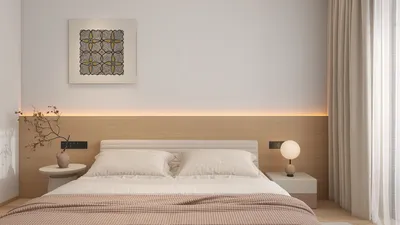


Direct Response
Lighting has a significant impact on the way interior paint colors are perceived, as variables like light temperature, intensity, and angle influence human color perception. The same paint shade can appear warmer, cooler, darker, or brighter depending on natural sunlight, room orientation, and artificial lights. To select the perfect color, it’s essential to evaluate paint samples under actual lighting conditions.
Key Takeaways
Overview
With over ten years of experience in residential interiors, I constantly observe one frequent error among homeowners: picking paint colors without considering the proper lighting. Comprehending how lighting modifies paint hues is often neglected, yet it’s crucial in making a space feel welcoming versus dull.
During design consultations, clients often bring paint samples they loved in stores but later dislike on their walls. This happens because paint interacts with surrounding factors like daylight, shadows, ceiling height, the direction of windows, flooring, and adjacent furnishings.
Before finalizing a color scheme, I advise visualizing room layouts and light flow. Utilizing tools such as Homestyler, which allow homeowners to test different furniture arrangements and wall colors within a virtual environment, makes predicting how light moves through a space much easier.
In this article, I will explain the essential design principles used by professionals to analyze lighting, prevent unexpected color changes, and select paint that looks great in the morning, afternoon, and evening.
save pin
Why Paint Colors Appear Different Under Various Lighting Conditions
Core Insight: The appearance of paint colors shifts because lighting changes the way subtle undertones reflect to the eyes.
Every paint shade includes hidden undertones; for instance, beige may have pink, yellow, or green undertones. These undertones become more or less prominent depending on the lighting environment.
Three main factors cause these changes in color perception:
For example, I once selected a soft greige tone for a living room in Los Angeles. The sample seemed neutral initially, but when applied in a space with warm oak floors and western exposure, the paint exhibited a pinkish cast.
This highlights why professionals avoid judging paint solely from a single swatch; context is everything.
Natural vs Artificial Light Effects on Paint Color
Core Insight: Natural daylight shows the truest color rendition, while artificial light often shifts undertones.
Natural lighting varies throughout the day, but artificial lighting remains constant. Every light source has a specific color temperature measured in Kelvin (K).
Designers typically test paint under the lighting that will be installed. For example, gray walls can look beige under warm LED lights.
An often overlooked aspect is layered lighting; combining overhead lights, lamps, and sconces alters the paint color appearance at night.
save pin
How Room Orientation Influences Paint Color
Core Insight: The direction a room faces affects daylight color temperature, impacting how paint colors are perceived.
Orientation plays a more significant role than many homeowners realize. I always start by identifying window direction when assessing daylight effects on paint.
Recently, a pale gray color looked perfect in a south-facing living room but appeared cold and dull in a north-facing adjacent hallway. Switching the hallway paint to a warmer greige created a more cohesive feel throughout the home.
Using visualization tools like Homestyler to simulate sunlight direction and window placement in 3D can reveal just how much orientation influences color decisions.
Testing Paint Samples in Real Lighting
Core Insight: Large paint samples assessed at various times during the day provide the most accurate color evaluation.
A widespread mistake is testing paint with small swatches that don’t capture lighting effects fully.
Recommended approach used by many designers:
Testing multiple walls is important because shadows and reflected light cause significant color shifts. A wall near a window looks different from one beside it.
Architectural Digest consistently stresses the importance of large sample tests before committing to a full room, as lighting variation is the leading cause for repainting.
save pin
Best Paint Shades for Low Light Spaces
Core Insight: Rooms with limited light benefit from lighter hues and warm undertones to avoid a flat, gray appearance.
Designing for spaces lacking light is challenging since dark rooms absorb color, making mid-tone paints appear much deeper.
Typically, these paint categories perform best:
Colors I usually advise against in low-light rooms are:
If you wish to preview how light and materials combine before painting, realistic renderings created using tools like Homestyler that simulate lighting and wall finishes can help identify issues beforehand.
save pin
Avoiding Surprises After Painting
Core Insight: Most paint regrets occur because lighting conditions throughout the day weren’t considered before choosing colors.
After completing hundreds of projects, I’ve noticed the same three errors occur repeatedly.
A better approach involves:
The difference between color choices that feel perfect versus off usually comes down to being aware of lighting, not paint quality.
Answer Section
Lighting changes the look of interior paint by affecting undertones, brightness, and temperature. Factors like direction of daylight, type of bulbs, and room orientation all influence the final perception. Testing paint samples under real lighting setups is the most dependable way to avoid color surprises.
Conclusion
FAQs
Why does my paint look different at night?
Artificial lighting modifies color temperature; warm bulbs emphasize reds or yellows, while cool bulbs may lend a bluish tint to colors.
How does lighting affect paint in small rooms?
Small rooms often have limited natural light, causing paint colors to look darker or more intense than expected.
Should paint samples be tested on multiple walls?
Absolutely. Because light strikes walls differently, testing several surfaces reveals color shifts more accurately.
What’s the best paint color for low-light rooms?
Warm off-whites, creams, and light greiges usually reflect light well, performing best in dim spaces.
Does LED lighting change paint appearance?
Yes. LED bulbs vary greatly in color temperature and can notably alter paint colors.
How large should paint samples be?
At a minimum, 2 feet by 2 feet to capture undertones and lighting effects clearly.
Can lighting cause gray paint to look blue?
Yes. Cool lighting or north-facing rooms often enhance blue undertones in gray paint.
How do professionals test paint with lighting?
Experts use large samples applied to multiple walls and observe them under daylight and artificial light at different times of day.
References
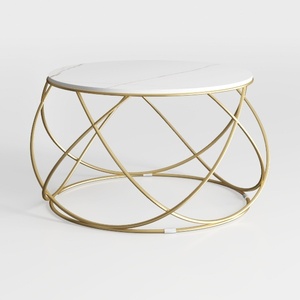
LITTLE TREE Modern White Dining Table for 4, 47-In
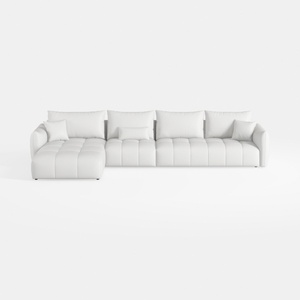
Minimalist White Fabric L Shape Sectional Sofa 3D Model
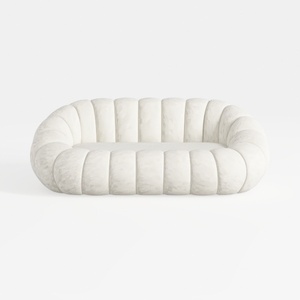
Minimalist Boucle Fabric Curved Sofa 3D Model
Homestyler is an easy-to-use online platform offering powerful home design tools, realistic 3D renderings, inspiring design projects, and helpful video tutorials—perfect for bringing your interior decoration ideas to life effortlessly.
Concevez maintenant gratuitement
































