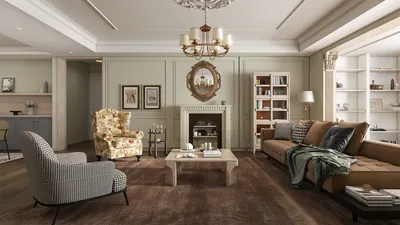


Creating a thoughtfully designed hotel room layout is essential for achieving spatial efficiency while ensuring guest comfort. My experience in designing and renovating midscale to upscale hotel rooms highlights the importance of anticipating guest behaviors such as entry sequence, luggage drop-off, work needs, relaxation, and refreshment. This approach aligns with brand standards and operational realities. According to Gensler’s U.S. Workplace Survey, spatial clarity significantly impacts perceived effectiveness; similarly, a well-organized hotel room design enhances guest satisfaction by minimizing decision friction. Research from Steelcase indicates that ergonomic features—like appropriate desk height, quality lighting, and comfortable seating—are vital for reducing fatigue and enhancing comfort for guests who may need to work from their hotel rooms. The WELL v2 certification emphasizes the importance of quality lighting, sound control, and thermal comfort for occupant wellbeing, thus setting clear goals for designing hotel guest rooms. Incorporating tools like Homestyler can streamline this design process, allowing for efficient space planning and execution.
Establishing measurable benchmarks aids decision-making in hotel room design. The Illuminating Engineering Society (IES) suggests ambient lighting levels of around 150 to 300 lux in guestrooms and task lighting ranging from 300 to 500 lux for work or reading activities. Utilizing a warm to neutral white light ranging from 2700 to 3500K creates a soothing environment. Furthermore, WELL v2 provides additional guidelines promoting glare reduction, color accuracy, and minimizing nighttime lighting—days to support healthy circadian rhythms. From an ergonomic standpoint, standard hospitality desks are typically set between 28 and 30 inches in height (710-760 mm), allowing for chairs that adjust to maintain a comfortable 90 to 100-degree knee angle. These standards lead to rooms that feel inviting, understandable, and serene.
In my practice, I often aim for a footprint of 250 to 350 square feet (23 to 33 m²) for standard king or double-double rooms, ensuring clearances of 42 to 48 inches (1070 to 1220 mm) for primary circulation wherever feasible. The distribution of space plays a critical role: generally, a layout featuring 60 to 65 percent for sleeping and lounging, 20 to 25 percent for the bathroom, and 10 to 15 percent for entry and storage achieves a guest-centric balance. Additionally, ensuring a direct line of sight to the bed from the door, allowing natural light into seating areas or desks, and establishing acoustic barriers from hallways can significantly enhance the guest experience and the quality of rest.
**Core Room Typologies and Circulation**
I typically explore four effective room typologies: (1) Corridor-to-bath-to-sleep access where the bathroom serves as an acoustic buffer; (2) An entry niche with open wardrobe visible from the corridor and a bathroom opposite, leading to a window-facing bed plus lounge area; (3) Corner rooms designed with split zones to maximize exposure; and (4) Compact micro-rooms with integrated storage solutions and wet-room style bathrooms. Continuous circulation from entry to window eliminates congestion, and placing luggage drop opportunities within easy reach simplifies the guest experience. Utilizing a room design tool like Homestyler can aid in quickly testing furniture arrangements and sightlines.
**Bed Zone: Rest First**
The positioning of the bed should prioritize symmetry and ease of access. I strive for a clearance of 24 to 30 inches (610 to 760 mm) on each side of a king bed, at a minimum of 18 to 24 inches (460 to 610 mm) in tighter configurations. Integrating power and data outlets, lighting controls, and acoustic absorption features into the headboard enhances functionality. Layered lighting, including a 150 to 200 lux ambient layer, reading lights adjustable between 300 and 500 lux, and low-level night lighting with minimal blue light, cater effectively to the needs of both couples and solo travelers. Utilizing warm materials, such as textured upholstery, wooden tones, and soft window treatments, helps to absorb sound and soften visual appeal within the room.
**Work and Lounge: Ergonomic Versatility**
As guest behavior evolves towards hybrid work scenarios, I incorporate a compact desk or console set at 28 to 30 inches (710 to 760 mm) height alongside a supportive task chair or a lounge chair equipped with a lap table. To accommodate various body types, I ensure knee clearance of 24 to 30 inches (610 to 760 mm) while also providing access for wheelchair users. Task lighting set at 300 to 500 lux at the work surface with adjustable color temperatures (3000 to 4000K) ensures comfort from day to night. Moreover, including a small round side table (18 to 22 inches / 460 to 560 mm in diameter) allows guests to enjoy dining, using devices, or placing drinks without the risk of sharp edges.
**Storage and Entry: The First 10 Seconds**
Guests form their first impressions before they even notice the bed. A recessed entry niche can effectively dampen corridor noise, while integrated wardrobes and open shelving minimize luggage clutter on circulation paths. I recommend a clearance of 42 to 48 inches (1070 to 1220 mm) from the door swing to the first obstruction, with a mix of open and closed storage solutions: one closet bay with full-height hanging, one open rail with hooks, and a bench or shelf at a height of 18 to 20 inches (460 to 510 mm) for luggage storage. The entry area should feature lighting set at approximately 200 lux with minimal glare.
**Bathroom: Compact, Durable, Accessible**
For a standard hotel room, a bathroom's size of 45 to 55 square feet (4.2 to 5.1 m²) is sufficient for comfortably fitting a walk-in shower, single vanity, and toilet while ensuring appropriate clearances. Wet-room designs optimize limited space, but glass partitions with proper seals effectively contain sound and humidity. Material choices should resist rigorous cleaning routines: I recommend porcelain tiles with a wet slip resistance of ≥0.42 DCOF, durable solid-surface or quartz vanity tops, and sealed wall finishes. Bathroom lighting must provide 200 to 300 lux of ambient illumination and 300 to 500 lux of vertical face light at the mirror, ideally with a Color Rendering Index (CRI) above 90. Compliance with ADA regulations mandates the inclusion of adequate turning radii, grab bars, and accessible shower options without sacrificing design aesthetics.
**Acoustics: Quiet is a Feature**
Noise complaints can greatly reduce guest satisfaction. I advocate for resilient channels or double-stud assemblies in corridor walls and between rooms, budgeting for STC ratings of 50 or more in party walls, while sealing all penetrations. Acoustic panels or upholstered headboards with mineral wool backing can enhance sound insulation against headboard walls. Additionally, soft goods, such as blackout curtains with heavy linings, area rugs or carpet tiles with cushioning, and upholstered furniture absorb mid to high-frequency sound. Bathroom exhaust fans should meet low sone ratings to ensure they are acoustically separated from sleeping areas.
**Lighting Strategy and Glare Control**
An effective lighting design should blend indirect ambient light with task and accent layers. Position downlights away from the pillow line to prevent veiling glare, and include bedside reading lights with asymmetric optics. The use of dimmers and scene controls for lighting settings—such as Entry (70%), Work (100% during tasks), Relax (40%), and Night (1-5%)—provides flexibility for guests. A color temperature around 2700 to 3000K in the evening encourages relaxation, while 3000 to 3500K during the day helps maintain alertness without harshness. Sticking to IES guidelines for illumination ensures safety and comfort and aligns with WELL v2 principles regarding glare and color quality in guest spaces.
**Color, Materials, and Psychology**
Color dramatically influences guest mood. Neutral tones—such as warm grays and desaturated beiges—establish a calm atmosphere, while muted accent colors in the green-blue range can effectively alleviate stress and lower heart rates, a concept supported by color psychology research. Layering textures—like matte walls, woven drapes, cushioned headboards, and a low-sheen floor finish—minimizes visual glare and adds visual depth. Choosing durable materials reduces lifecycle costs, such as solution-dyed fabrics for fade resistance, quartz or compact surfaces for counter spaces, and finishes with low-VOC content. Materials selected should endure frequent cleaning without losing their sheen.
**Furniture Layouts That Work**
There are four effective layouts that consistently perform well across different hotel brands and budget levels:
A bed centered against the window wall, with a lounge chair and side table positioned to enjoy the view; the desk is placed opposite with a slim console under the TV. Benefits include a strong visual focal point upon entering and a fluid flow throughout the space. Maintain clearances of 24 to 30 inches on the sides and 36 to 42 inches in the main pathway.
A bed shifted to incorporate a built-in luggage bench and open shelving at the headboard return; the desk is situated into a cozy niche. This design optimizes storage while maintaining tidy circulation paths, ideally suited for rooms of 250 to 300 square feet.
A single long wall featuring an integrated headboard, bedside tables, and a desk; the opposite wall accommodates wardrobe and media. This layout is particularly efficient for micro-rooms, creating a cohesive, premium feel through continuous millwork.
The sleeping area positioned along the quieter wall, with lounge seating placed strategically to maximize natural light; utilizing a console as a soft divider enhances functionality. This arrangement effectively optimizes light and creates distinct zones without the need for physical partitions.
To validate furniture clearances before finalizing designs, I utilize an interior layout planner during the conceptual phase. Tools like Homestyler can provide visual aids for room design and layout validation.
**Human Factors and Small Details**
Attention to the small details significantly enhances guest experience: ensuring bedside power accessibility at both sides (including USB-C options), providing a ledge near the entry for convenience, and installing hooks by the bathroom door. All controls should be intuitive, eliminating confusion over switches. Thermostat placements should avoid direct sunlight and HVAC drafts to prevent erratic operation. Lever handles offer easier access rather than traditional knobs, while mirror heights should cater to a diverse range of users. Full-length mirrors near the entryway can reduce unnecessary back-and-forth movement for guests.
**Operational Durability and Sustainability**
Efficient housekeeping and maintenance routes are vital for operational success. Selecting upholstered furnishings with removable covers and clean-out gaps, along with flooring transitions that are easy to manage, can improve functionality. LED lighting sources with a lifespan of over 50,000 hours and accessible driver compartments reduce maintenance challenges. Low-VOC adhesives and finishes improve indoor air quality, while water-saving fixtures (1.28 gpf toilets and 1.5 gpm showers where or as code permits) help lower utility expenses. Modular carpeting and replaceable cushioning extend product life and minimize environmental impact.
**2024–2025 Trends to Consider**
- Integrated headboard walls that combine functionality, power, and storage with varied textures. - Smaller, more efficient footprints featuring multifunctional lounge chairs alongside compact desks. - Warm whites and subdued color palettes with matte finishes to reduce glare. - Acoustic-first design approaches with soft walls, curtains, and sealed thresholds. - Digital amenities providing bedside wireless charging and intuitive control for lighting options, bridging physical and app-based user interfaces.
**Common Pitfalls—and Fixes**
- Overloading smaller rooms with excessive furniture: opt for fewer, multifunctional items. - Inadequate glare management: position downlights away from the pillow line and implement shades or lenses where possible. - Insufficient power planning: ensure outlets are installed on both sides of the bed, desk, and entry areas. - Neglecting acoustics: investing in robust wall assemblies and soft materials early on is more cost-effective than dealing with reputational damage later.
**FAQ**
For select-service and full-service properties, aiming for a room size of 250 to 350 square feet (23 to 33 m²) provides an optimal combination of guest comfort and cost-efficiency. Premium or corner rooms may exceed this size, while micro-concepts can effectively utilize 150 to 200 square feet with integrated furniture solutions.
Ensure 24 to 30 inches (610 to 760 mm) of space on each accessible side of a king bed. In tighter configurations, maintain at least 18 to 24 inches (460 to 610 mm) if a wall-side bed is unavoidable.
Follow IES guidelines, aiming for ambient light levels between 150 and 300 lux, and task illumination of 300 to 500 lux for reading or desk work. Evening settings should ideally operate at 2700 to 3000K for relaxation, whereas daytime lighting should range from 3000 to 3500K for functionality, accompanied by dimming and glare management techniques.
Utilize high-performance wall assemblies targeting STC ratings of 50+, seal all penetrations, add soft furnishings, and create a vestige effect at the entry with wardrobes or thicker doors. Upholstered headboards with acoustic materials enhance soundproofing significantly.
Set desk height at 28–30 inches (710–760 mm), with knee clearance of 24–30 inches (610–760 mm), and incorporate a supportive chair that promotes good posture. Ensure task lighting provides adequate brightness between 300 and 500 lux and power sources are easily accessible.
Include a closed off closet area for hanging with open storage options and a luggage bench at 18–20 inches in height. Keep storage spaces out of the key circulation area and near the entry for efficiency.
A walk-in shower should feature a linear drain, a single vanity, and a wall-hung toilet to maximize usable space. Incorporate glass panels to control water spray, ensuring a proper slope and 30 inches (760 mm) of clearance in front of fixtures where feasible.
Opt for porcelain tiles meeting wet slip standards, quartz or solid-surface counters, solution-dyed textiles for durability, and low-VOC coatings for sustainability. Selecting hardware with strong finishes, like Physical Vapor Deposition (PVD), ensures resistance to tarnishing.
Establish physical controls that are clearly marked at entry points, beside beds, and work areas, complemented by optional app controls. Scene selection settings such as Entry, Work, Relax, and Night will enhance guest convenience.
Implement warm, low-blue lighting for night use, provide dimming options, and specify blackout curtains. Position task lighting thoughtfully to prevent direct glare and respect darker conditions during sleep hours to align with WELL v2 recommendations.
Carpet tiles with cushioning properties excel at sound absorption and reducing footfall noise. In durability-centric designs, consider adding area rugs and soft furnishings to ensure acoustic comfort in spaces with hard flooring.
Incorporate USB-C and standard outlets at bed and desk locations, utilizing modular faceplates for upgrades, while routing conduits towards millwork spaces to facilitate service access.
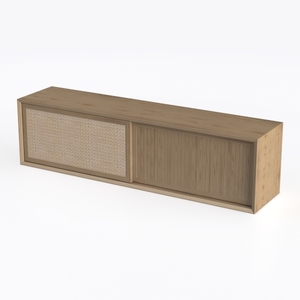
Minimalist Oak Rattan TV Cabinet 3D Model
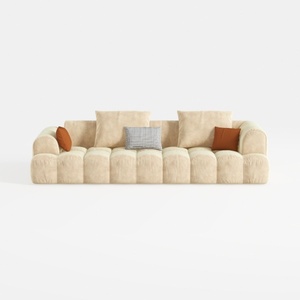

Minimalist Fabric Large Sofa With Decorative Throw Pillows 3D Model
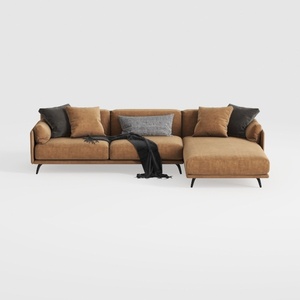
Coaster Home Furnishings - Camacho - Upholstered C
Transform your home design dreams into reality with Homestyler! This user-friendly platform offers a powerful online design tool, stunning 3D renderings, and a wealth of design projects and DIY video tutorials. It's perfect for anyone looking to create their ideal space effortlessly.
تصميم الآن مجانا
































