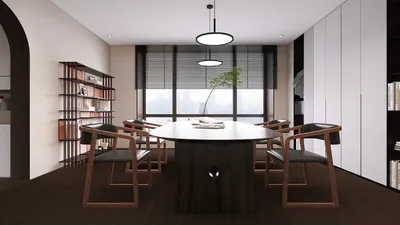


I once had a family request that I design a dining table capable of transforming into a classroom for six, incorporating areas for art projects, laptop tasks, and a snack station. Through this project, I learned some tough lessons—glue stains and whiteboard smudges are very much a reality! I also discovered that a compact dining area can ignite immense creativity. In this article, I share five effective homeschool dining room strategies that I apply to real projects, featuring budget-friendly hacks and layout techniques. If you're contemplating a family-friendly kitchen-dining space, these are the setups I recommend first, utilizing Homestyler for planning.
1. The Convertible Table: Eat, Study, Store
I am fond of folding or extendable tables that not only resemble elegant furniture but also function as classroom desks. These tables provide the formal atmosphere needed for meals while offering the flexibility for study sessions; foldable benches can be tucked under the table to free up floor space when they are not in use. A simple strategy for organization is essential—I often include a rolling cart so that crayons and chargers are kept away from meal settings.
save pin
2. Zoned Layout with Rugs and Lighting
Creating zones is one of my favorite techniques: a low-pile rug accompanied by a pendant light can establish a dedicated study area while keeping the remainder of the table ready for dining. Proper lighting is key to reducing eye strain and ensuring that transitions between activity zones are smooth and intentional. The only challenge is selecting a rug size and light height that adequately serves both academic purposes and family dinners.
save pin
3. Built-in Storage and Homework Caddies
Incorporating built-in benches with cubbies or shallow wall cabinets can keep books, planners, and chargers neatly stored without occupying additional space. For those who rent, I suggest portable homework caddies and vertical shelves; these allow for easy access to supplies while maintaining an organized appearance. To prevent layout uncertainties, I sometimes create a visual mockup using tools like Homestyler, helping families to conceptualize their space in 3D prior to purchasing furniture. Seeing circulation paths up front can save time and expenses.
save pin
4. Display Wall and Whiteboard Zone
A magnetic whiteboard or cork strip attached to a nearby wall can swiftly convert meal time into learning time while showcasing little achievements. I advise clients that boards can become overwhelming if not managed properly, so it’s best to offset them with framed artwork or a chalkboard schedule. This setup is especially beneficial for younger kids who thrive on visual prompts, although developing a habit to keep the wall organized is necessary.
save pin
5. Tech Corner with Charging and Quiet Nook
Establishing a designated charging station and hooks for headphones on one side of the table provides a consistent home for devices. Should your family rely on digital learning, you might want to incorporate basic sound-dampening materials or a foldable privacy screen to enhance focus. When seeking to test various layouts, I often use AI-assisted mockups with Homestyler, as they allow for quick iterations, although they occasionally get overly enthusiastic with color schemes.
save pin
FAQ
Q: How do I make a dining table ergonomic for kids?
A: Opt for adjustable seating or cushions to ensure feet are well-supported; footrests or small boxes under the table can assist. Frequent short breaks during study sessions can alleviate strain and improve focus.
Q: What’s the best lighting for combined dining and study spaces?
A: Implement layered lighting—ambient overhead lights plus a focused task lamp—creating warm meal environments while providing bright, shadow-free illumination for homework. Dimmable fixtures allow for quick adjustments between dinner and study mode.
Q: How can I keep art supplies from taking over meal prep?
A: Organize supplies in labeled caddies or a rolling cart and dedicate a drawer or bin for messy projects. This setup makes cleanup a swift task, allowing the table to be readied for dinner in minutes.
Q: Any budget-friendly storage ideas?
A: Utilize clear plastic bins, magazine holders, and under-bench baskets; these options are cost-effective and facilitate easy access for kids. Secondhand furniture like a small sideboard can often be refinished affordably to match your dining set.
Q: How do I manage noise during lessons in an open-plan home?
A: Introduce rugs, curtains, and soft furnishings to absorb sound, and establish a small visual boundary like a foldable screen. Designate quiet times and set headphone rules to minimize distractions.
Q: What age is best to start using the dining area as a learning space?
A: You can start at any age—toddlers will gain from crafts in a family-oriented setting, while older children benefit from designated workspaces. Tailor your expectations and tools to their developmental stage: hands-on tasks for younger ones and structured desk areas for older students.
Q: Are there safety considerations with tech and charging stations?
A: Keep chargers elevated off the floor, utilize surge protectors, and educate kids on basic cord safety. Ensure that the charging station is positioned away from water sources and supervise younger children when devices are connected.
Q: Where can I find research-based advice on children’s study habits?
A: The American Academy of Pediatrics (AAP) provides valuable insights on nurturing routines and screen time for children; their guidelines are an excellent resource when structuring family schedules (check out: https://www.aap.org).
Homestyler is an exceptional online home design platform perfect for transforming your interior spaces. With its easy-to-use design tool, stunning 3D renderings, diverse design projects, and helpful video tutorials, you can effortlessly create and visualize your dream home—no prior experience needed!
تصميم الآن مجانا
































