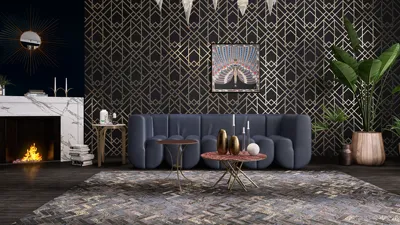


Designing a home theater can be an exciting endeavor, allowing you to immerse yourself in movies, television shows, and video games right from the comfort of your own living space. The foundation of a successful home theater is meticulous planning, especially when it comes to creating an effective floor plan. A thoughtfully designed layout not only ensures a practical use of space but also elevates the viewing experience significantly. Start by evaluating the dimensions and configuration of the room you envision for your home theater. Carefully measure the area, taking note of windows, doors, and any built-in features that might influence your design. Next, consider your seating arrangement. To optimize your experience, arrange your seating at a suitable distance from the screen. A general recommendation is to position yourself at a distance that is 1.5 to 2.5 times the diagonal measurement of your screen. This can vary based on your personal taste and the type of screen you choose, whether it’s a projector or a flat-screen television. Additionally, don’t forget to plan for a few extra seats for family and friends who may join you for enjoyable movie nights! Lighting plays a pivotal role in your home theater's ambiance. Aim to create a dark environment that enhances the visual experience. Installing blackout curtains can help eliminate outside light, while dimmable lighting options allow you to adjust brightness as needed. Ambient lights can enhance the atmosphere without drawing attention away from the screen. Make sure to incorporate sufficient electrical outlets into your design for easy access to all your audiovisual equipment. Acoustic design should also be a priority in your planning stages. The materials selected for walls, flooring, and furniture can significantly influence sound quality. Incorporating soft furnishings such as carpets, drapes, and upholstered furniture will help absorb sound and minimize echo, leading to a more immersive experience. Lastly, consider harnessing design software like Homestyler to visualize and refine your layout. This powerful tool enables you to create 3D representations of your space, facilitating experimentation with various furniture configurations and styles. You can also browse an extensive library of furniture options, ensuring you find pieces that align with your aesthetic preferences and budget. With careful planning, your home theater can transform into the ultimate entertainment center, personalized to reflect your unique style and requirements.
Tips 1:
Select cozy seating that matches your style and allows sufficient space for movement.
FAQ
Q: What is the ideal size for a home theater? A: For an optimal viewing experience, it’s best for a home theater to measure at least 12 feet by 15 feet.
Q: How can I enhance the sound quality in my home theater? A: By utilizing sound-absorbing materials and correctly positioning your speakers according to your room layout.
Q: Is it preferable to use a projector or a television? A: The choice depends on your preferences; projectors can provide a larger viewing area, while TVs typically offer superior brightness and clarity.
welcome to Homestyler
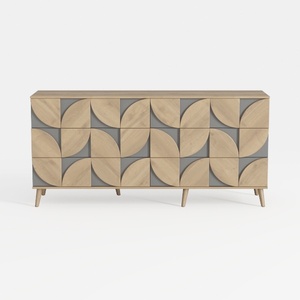
Modern Geometric Pattern Solid Wood Sideboard Cabinet 3D Model

Minimalist Solid Wood TV Stand Cabinet with Slatted Doors 3D Model

Japanese Floor TableSmall Coffee Table & Tea Table
Homestyler is your go-to online home design platform. Featuring an easy-to-use design tool, stunning 3D renderings, a wealth of design projects, and helpful DIY video tutorials, it's perfect for anyone looking to transform their space effortlessly. Explore your creativity today!
Concevez maintenant gratuitement
































