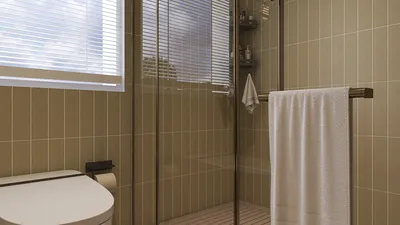


When it comes to planning my home spa days, I approach it much like I do interior design: starting with a clear intention and then curating the elements of light, sound, and touch to evoke that specific atmosphere. The ultimate objective is to create a rejuvenating experience—arriving, relaxing, restoring, and finally stepping back into the world—achieved through mindful choices in layout, materials, and rituals. Homestyler can be an excellent tool for visualizing these spaces effectively.
Define Your Intention and Flow
Start with a clear focus, such as relieving stress, enhancing sleep quality, or aiding recovery after exercise, to give your spa day structure. Organize your session into three key parts: the warm-up (breath work, gentle stretching), the deep restoration phase (soaking, applying masks, body treatment), and the re-entry (hydration and soft movement). This organization aligns with how the nervous system functions, providing steady cues, consistent temperatures, and smooth transitions.
The foundation of your experience relies on lighting and sound. The WELL v2 Light framework emphasizes that suitable circadian lighting and glare control not only enhance alertness but also promote relaxation. For evening rituals, opting for warmer light around 2700K with reduced luminance contrast is beneficial. Concurrently, the IES guidelines recommend balancing task and ambient light to prevent discomfort. Soft, diffused ambient lighting can be particularly soothing as you navigate through your spa process.
Comfort lies at the intersection of the individual and their surroundings. Research from Herman Miller indicates that factors like posture, pressure distribution, and small movements greatly influence comfort and recovery when seated or reclining. Opting for supportive surfaces can minimize discomfort and promote relaxation. Keep your seating arrangements—like cushions and mats—with medium-density foam to ensure your joints are supported during activities such as masks or breathwork.
Design the Space: Minimal Effort, Maximum Impact
I like to segment the space into low-effort zones: a serene corner (with seating, a throw, and a side table), a wet area (like a bath or foot soak), and a vanity station (equipped with a mirror, storage, and towels). If space is limited, you can create a spa-like retreat in your bedroom using a screen or a tray for your oils and a foot basin. Utilizing Homestyler can help you visualize the flow and layout of these zones effectively.
Concerning proportions, it's critical to maintain 900–1000 mm of clear space around primary seating or bathtub edges to facilitate safe movement with warm oils and water. Ensure you create a reachable triangle involving the water, towels, and skincare products within arm’s length to minimize interruptions.
Light, Hue, and Aroma
Emphasize warm, adjustable lighting (200–300 lux ambient) highlighted with softer accent lighting for rituals, steering clear of overhead glare. Introduce a task light at your vanity set around 500 lux, diffused for a gentler effect. Maintaining a color temperature of around 2700K is essential, as it prevents late-night melatonin suppression and aids in sleep enhancement, in line with WELL v2 recommendations.
The psychological impact of color plays a subtle but essential role. According to Verywell Mind's research, blues promote calmness while greens foster balance. I tend to gravitate towards soft shades such as sage, taupe, and deep indigo to create an atmosphere that feels soothing and warm. You can utilize textiles and bath accessories in these hues for a quick transformation without needing a complete repaint.
When it comes to fragrance, keep it supportive of your breathing rather than dominating it. Opt for a grounding base note (like cedar or vetiver), a bright top note (such as bergamot), and an herbal middle (lavender). It's best to use these sparingly—diffuse lightly and limit your combination to three scents to avoid overwhelming your senses.
Acoustics and Sound Comfort
Water can resonate strongly, so use a bath mat and a soft runner to soften hard surfaces and minimize reflection. A small speaker playing low-volume, steady-tempo ambient music will suffice for your auditory experience. Closing any gaps at doors with draft stoppers can enhance sound insularity. Additionally, minimize fan usage at high speeds, as their noise can overshadow the subtle relaxation cues from your body.
Thermal and Material Selections
Utilize thermal contrast as a traditional spa technique. Alternate between warm soaks (37–39°C) followed by cool rinses (18–22°C) for about 30–60 seconds, enhancing your recovery experience without shocking your system. Pre-warm towels in a basket or use a towel warmer set to low to maintain comfort.
The materials you choose are crucial for both touch and hygiene. Opt for mid-pile cotton or TENCEL towels for quick drying and minimal lint. Cork mats can offer a warm and padded surface underfoot compared to traditional porcelain flooring. Consider decanting salts and clays into labeled glass jars for both visual appeal and easier inventory management.
The Ritual: A Flow Achieving Professional Standards
Preparation (5 minutes): dim the lights, start your choice of music, pour water for soaking, and arrange your towels. Take a moment to breathe and release any tension in your jaw and hands.
Warm-up (10 minutes): dry brushing towards the heart, and gentle mobilization for the neck and shoulders. If you're a fan of scents, consider dabbing a bit on your wrists and collarbone.
Deep restoration (20–30 minutes): soak your feet or your whole body, followed by gentle exfoliation. Apply a hydrating mask, and relax with a throw on a cushion. Keep a carafe of room-temperature water within reach.
Re-entry (10 minutes): cool off with a rinse, moisturize using slow and deliberate strokes, and transition to softer home lighting paired with a light, non-stimulating snack (like warm herbal tea or nuts) and calming music.
Storage and Preparation to Enhance the Experience
Utilizing shallow trays to organize your steps—soak, mask, moisturize—can prevent rummaging during your ritual. Incorporate a lidded bin for used towels to quickly eliminate visual clutter. Pre-measure bath salts into single-use packets and have them neatly stacked near the tub to streamline your process.
Safety and Ergonomics
Prioritizing safety is a quiet yet critical aspect of a spa experience. Ensure you have a non-slip mat by the edge of the tub, maintaining clear sightlines. For those needing mobility assistance, a tub ledge seat or sturdy stool can facilitate safer transfers. Be mindful of wrist positions while mixing or pouring products, and avoid heavy glass containers in moist areas.
Sustainability Without Sacrificing Quality
Making low-waste choices can significantly impact your space: opt for bar cleansers in ceramic dishes, choose refillable pumps, and launder cotton rounds. Approach material selection responsibly; resources like Material Connexion can assist in evaluating bio-based textiles and coatings for durability and cleanliness. For water use, time your soaking sessions carefully to minimize waste while still maximizing recovery.
Designing for Morning vs. Evening
Morning spa rituals benefit from cooler ambient light (3000–3500K) and slightly higher brightness (300–500 lux) to promote alertness. In contrast, evening routines should adopt warmer, dimmer lighting (200–300 lux) to facilitate a smoother transition to sleep. Keep your sequence consistent; only the lighting and auditory elements shift.
Addressing Common Challenges
If your space feels cluttered, limit visible products to a maximum of five essentials and stow the rest away. For fluctuating water temperatures, pre-mix in the basin or bathtub to avoid adjusting while in the moment. If you find your focus slipping, setting a straightforward timer per phase can help keep you on track without needing to check your phone.
Frequently Asked Questions
Aim for ambient lighting around 200–300 lux with warm white tones (approximately 2700K). Utilize a small, diffused task light at the vanity at about 500 lux only as required. This approach aligns with WELL v2 recommendations for circadian-friendly lighting while minimizing glare, according to IES guidelines.
Soft greens, subdued blues, and warm neutrals are excellent choices. The color psychology insights from Verywell Mind link blue with tranquility and green with equilibrium; select these softer shades to help avoid visual overstimulation.
Incorporate soft surfaces—bath mats, runners, and towels—to absorb sound reflections. Reduce the speed of ceiling fans, use draft stoppers to close gaps, and position speakers away from hard surfaces to mitigate echoes.
Keep your water temperature between 37–39°C for optimal comfort. If you enjoy thermal contrast, alternate briefly with cooler rinses (18–22°C), always testing the temperature with your hand before entering.
Establish a straightforward path: seating → soaking → toweling off → attending to the vanity. Ensure approximately 900–1000 mm of clear circulation around your main fixture, keeping essentials within reach. A room layout tool, such as Homestyler, can assist in visualizing the flow before rearranging furniture.
Employ shallow trays for your current ritual, while storing additional items in lidded bins. Decant products into matching containers to reduce visual clutter and promote efficient preparation.
Opt for mid-pile cotton or TENCEL towels, as well as cork or rubber-backed mats that offer warmth and grip, alongside glass or ceramic containers for refills. These selections balance comfort, hygiene, and long-lasting performance.
Absolutely. Warm, soft lighting in the evening supports melatonin production according to WELL v2 recommendations. Avoid cool or bright lighting after your soak to maintain a relaxed state.
Using scent is optional. If included, limit your mixture to two or three notes (like lavender, bergamot, and cedar) at a gentle diffusion level to avoid overwhelming your senses. Always prioritize fresh air and comfortable breathing.
The ideal duration is about 45–60 minutes, incorporating a brief warm-up, followed by 20–30 minutes of deep restoration, and a gentle re-entry. This timeframe provides a sufficient reset while remaining manageable for a busy evening.

Minimalist Solid Oak Linen 3 Seater Sofa 3D Model
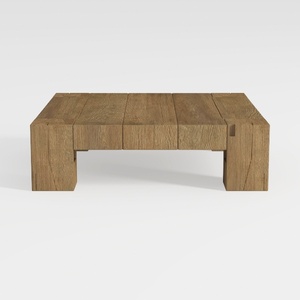
Rustic Solid Oak Wood Coffee Table Minimalist Living Room 3D Model
Homestyler is your go-to online home design platform! With its user-friendly design tool, stunning 3D renderings, and a wealth of inspiring design projects and video tutorials, you can easily transform your creative ideas into reality—perfect for designers of all levels!
今すぐ无料でデザイン
































