

Lighting is often the most underrated element in interior design, yet it has the greatest impact on the atmosphere and comfort of a room. You can have the finest furniture, the most beautiful wall paint, and the highest quality flooring materials — but if the lighting is off, the entire space can feel flat, cold, and uncomfortable for daily living.
Conversely, proper lighting can transform a very simple room into a space that feels warm, spacious, and full of character — even without changing a single piece of furniture. This article offers a comprehensive guide to selecting and arranging home lighting that truly optimizes every room.
Why Lighting Is the Most Powerful Design Element
Professional interior designers always plan lighting at the start of the design process rather than as an afterthought. The reason is clear — lighting affects how all other elements in a room are perceived. The same paint color can look very different under cool white light compared to warm yellow light. The textures of wood, natural stone, and fabrics appear richer and more beautiful with the right lighting from the correct angles.
Most importantly, lighting completely sets the mood of a room. The same room can feel energetic and productive with bright neutral lighting, or become intimate and relaxing with soft warm lighting — simply by adjusting the intensity and color temperature of the lamps used.
The Three Essential Layers of Lighting You Should Know
Ambient lighting is the primary illumination that evenly lights the entire room — such as ceiling lights, concealed downlights, or main pendant lamps. It provides the basic visibility and should be bright enough for general activities without causing uncomfortable glare.
Task lighting is focused light designed to support specific activities — for example, desk lamps for reading and working, under-cabinet lights in the kitchen for cooking zones, or vanity lights in the bathroom for grooming. It needs to be brighter than ambient lighting and free from shadows that might interrupt the tasks at hand.
Accent lighting is decorative lighting that adds dimension and character to the room — such as spotlighting artwork, LED strips behind TV backsplashes, decorative wall lights, or illumination inside display cabinets. Accent lighting creates visual focal points that make a space feel significantly richer and more distinctive.
Choosing the Right Color Temperature for Each Room
Types of Lights and Their Best Uses
LED downlights are the most popular choice for modern ambient lighting. Installed flush with the ceiling, they provide a clean look without any hanging elements. They consume electricity efficiently — typically 7 to 9 watts of LED power equals a 60 to 75 watt incandescent bulb — and have a long lifespan of 25,000 to 50,000 hours.
Pendant lights serve both as statement pieces and effective light sources. Above a dining table, they help create an intimate dining atmosphere. In living rooms, large pendants can act as visual focal points that define the room's overall character.
Wall sconces provide soft, decorative accent lighting and are very versatile. Placed on either side of a bed as an alternative to table lamps, in hallways for warm illumination, or as washing lights that highlight wall textures from the side.
LED strips are among the most versatile lighting elements — positioned behind TV backdrops to reduce screen contrast, under kitchen cabinets as task lighting, beneath beds for a floating effect, or behind architectural features for dramatic cove lighting.
Table and floor lamps are the most flexible lighting fixtures since they can be moved anytime. A table lamp in the corner of the living room creates a cozy reading area, while floor lamps add vertical dimension to often overly horizontal lighting schemes.
Lighting Tips for Every Room
For living rooms, combine ambient downlights with dimmers, one pendant or chandelier as a focal point, and table or floor lamps strategically placed in corners. Being able to adjust light intensity with dimmers is key for a living room that can adapt between bright daytime liveliness and warm, intimate evenings.
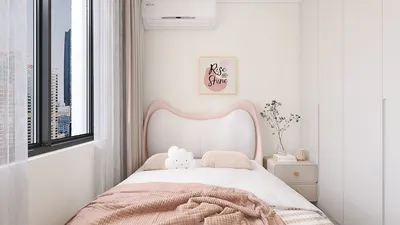
In bedrooms, avoid bright downlights directly above the headboard as they shine into the eyes when lying down. Use wall sconces or table lamps on either side of the bed, hidden LED strips behind the headboard, and dimmable downlights as ambient lighting that can be softened at bedtime.
In kitchens, cooking and countertop areas must have sufficiently bright, shadow-free lighting for safety. Under-cabinet task lighting is often overlooked but tremendously enhances both the kitchen's functionality and aesthetics.
How to Visualize Home Lighting with Homestyler Before Installation
Planning lighting without previewing the outcome before installation is one of the riskiest choices in interior renovation. Spots that seem logical on paper frequently result in unexpected dark zones or uncomfortable light hotspots when the lights are on.
Using Homestyler, accessible via browser or desktop applications for Windows and macOS, you can design and simulate the position, quantity, type, and color temperature of each light in the entire room digitally — viewing photorealistic 4K renders of the lighting effects before drilling any holes in ceilings or walls. This is the most efficient method to ensure your lighting scheme is truly optimized prior to committing to installation, which is difficult to alter afterwards.
Conclusion
Proper lighting is not a luxury but a fundamental necessity that directly impacts the comfort, productivity, and well-being of everyone in the home. By understanding the three layers of lighting, selecting appropriate color temperatures for each space, and digitally visualizing lighting schemes before installation, your home’s illumination can reach the high quality normally seen only in premium hotels and showrooms.
Start simulating your home lighting scheme with Homestyler today — available free via browser or desktop apps for Windows and macOS. Illuminate your home with confidence.
FAQ
1. What color temperature of light is best for the living room?
A warm white range of 2700–3000K is ideal for living rooms because it creates a cozy, welcoming atmosphere perfect for relaxing with family or entertaining guests.
2. How many watts should LED downlights be for a standard room?
7–9 watt LED downlights per point are usually sufficient for standard residential rooms. More important than wattage is having an even distribution of lighting points — approximately one light per 1.5 to 2 square meters.
3. Can I digitally simulate my home lighting before installation?
Yes, Homestyler, available via browser or desktop applications for Windows and macOS, lets you simulate light positions, types, and color temperature effects with photorealistic 4K rendering before installation.
4. What is CRI and why is it important for home lighting?
CRI, or Color Rendering Index, measures how accurately a light source replicates colors compared with natural sunlight. A CRI of 80 or above is good for general residential use, while CRI 90 and above is recommended for dining rooms and master bedrooms where true color rendering makes a significant difference.
5. Are all LED lights dimmable?
Not all are dimmable. Be sure to purchase LEDs labeled 'dimmable' and use dimmer switches compatible with LED technology to avoid flickering or damage. Traditional dimmers for incandescent bulbs can harm LEDs.
6. Which is better for dining rooms: pendant lights or downlights?
A combination is best — a pendant light directly above the dining table as a focal point and intimate accent lighting, paired with ambient downlights around the room for even general illumination.
7. How long do LED lights typically last?
High-quality LED lights have a lifespan of 25,000 to 50,000 hours — equivalent to 25 to 50 years if used 4 to 5 hours daily. This is a major advantage over conventional bulbs which require more frequent replacements.
8. How can I make my bedroom lighting feel warmer?
Use a combination of warm white 2700K lights, avoid bright downlights above the headboard, install wall sconces or table lamps on either side of the bed, add LED strips behind the headboard, and use dimmers so brightness can be adjusted at bedtime.

Modern Rattan Linen Outdoor Sofa With Decorative Throw Pillows 3D Model
Minimalist Fabric Curved Accent Armchair 3D Model
Homestyler is a user-friendly online home design platform offering powerful 3D rendering tools, inspiring design projects, and helpful DIY video tutorials. It makes creating and visualizing your dream space simple and enjoyable, whether you’re a beginner or a design enthusiast.
立即免费设计
































