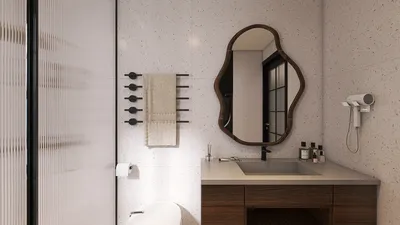


Creating the layout of your home can be a thrilling yet complex endeavor. Whether you're constructing a brand new house or updating an existing one, it's crucial to design a layout that maximizes comfort and functionality. Here's a guide to help you get started:
1. **Evaluate Your Requirements**: Start by analyzing your lifestyle and specific needs. Determine how many bedrooms and bathrooms you will need, the desired kitchen size, and any other areas like a home office or fitness room. Make a list of essentials and additional preferences.
2. **Know Your Space**: If you are redesigning an existing home, take precise measurements of each room and observe any architectural features that could influence your design choices. For new constructions, familiarize yourself with the land and any relevant zoning laws.
3. **Establish a Logical Flow**: Consider how you will navigate through your home. Crafting a cohesive flow between rooms is vital for both usability and comfort. While open floor plans can enhance flow, don’t forget to maintain privacy where necessary.
4. **Embrace Natural Light**: Strategically place windows to harness natural light effectively. Pay attention to your home’s orientation; south-facing windows usually capture the most sunlight. Additionally, installing skylights can help brighten up darker areas.
5. **Select an Aesthetic**: Choose a design style that speaks to your personality. Whether it leans towards modern, traditional, or a mix, your layout should enhance your selected theme. This also involves choosing furniture and decorative items that fit your envisioned style.
6. **Utilize Design Tools**: Platforms like Homestyler are excellent for visualizing your home layout. With countless design ideas and furniture models available, you can create a 3D representation of your space, explore various layouts, and understand how different components work together.
7. **Plan for Future Needs**: As you design your layout, think about potential future requirements. If you anticipate changes, such as expanding your family or working from home, ensure your design allows for flexibility in accommodating these adjustments.
8. **Consult Professionals**: If the process feels daunting or you’re uncertain about your design choices, consider reaching out to an interior designer or architect. Their expertise can offer valuable guidance and assist in realizing your vision.
9. **Finalize Your Plan**: After considering all elements, solidify your layout. Ensure your plan includes furniture arrangements, room dimensions, and any necessary structural modifications.
10. **Reflect and Revise**: Once you implement your design, live in the space for a bit before making significant changes. Adjustments may be needed based on how you adapt to the area.
By adhering to these guidelines, you can develop a home layout that not only aligns with your functional needs but also showcases your unique style. Enjoy the design process!
Design Tip 1:
Always keep your budget in check while designing your layout. It's easy to get overwhelmed by exciting ideas!
Frequently Asked Questions
Q1: Which software can assist in designing house layouts? A1: Homestyler is an excellent tool offering a variety of design functionalities and furniture visualization options.
Q2: How can I ensure my layout is practical? A2: Consider how you will use each room and make sure there is a natural flow between various spaces.
Q3: Is it possible to modify my layout post-move? A3: Absolutely, many homeowners make updates over time to better suit their evolving needs.
Welcome to Homestyler!

Minimalist Brown Velvet L Shaped Sectional Sofa 3D Model
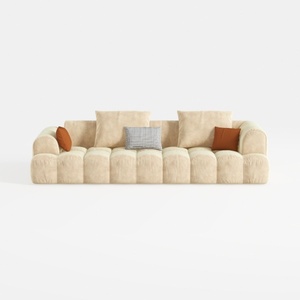

Minimalist Fabric Large Sofa With Decorative Throw Pillows 3D Model
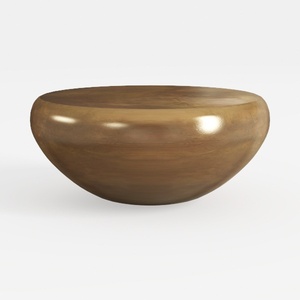
Discover the ease of home design with Homestyler! This user-friendly platform features an intuitive online design tool, stunning 3D renderings, diverse design projects, and informative DIY video tutorials. Transform your living space with inspiration and creativity—perfect for all skill levels!
Progetta ora GRATIS
































