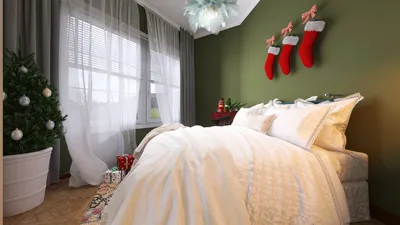


When it comes to festive decorating, I treat it like a carefully planned interior design project. This involves achieving balance, maintaining rhythm, and having a clear intention for each area. It’s essential that a holiday home radiates warmth, is easy to move around in, and appears visually cohesive—regardless of whether you're embellishing a cozy studio or a spacious multi-level home.
Establish a Holiday Theme and Flow
Start with a straightforward color scheme that incorporates two primary colors and one accent hue to avoid overwhelming visuals. While the classic red and green are timeless, a modern twist is achieved with deep forest green paired with brass and ivory. A unified color plan not only intuitively guides guests through your space but also minimizes clutter-induced stress. Research from Steelcase reveals that visual clarity can ease cognitive load and enhance comfort; similar findings by Gensler indicate that intentionally defined spaces can aid in navigation and behavior in dynamic environments (Gensler Research Institute).
The right lighting sets the overall mood. The Illuminating Engineering Society generally suggests approximately 10 to 20 footcandles for living spaces; ensure ambient light is soft and complemented with task lighting near seating or crafting areas. According to WELL v2 standards, managing glare and offering a variety of lighting scenarios contributes positively to comfort—use warm white lighting (2700-3000K) for a cozy evening atmosphere while masking bare bulbs with diffused string lights hidden behind garlands. Refer to the IES guidelines for additional tips.
Design a Comfort-First Living Area
During the holidays, gathering spaces should center around comfortable seating and sensible circulation. Ensure main pathways are 36 to 42 inches wide and aim for 18 inches between coffee tables and sofas, allowing easy access for cups and plates. Keep throw blankets handy in a side basket, and opt for fabrics that offer a pleasant mix—such as velvet for warmth, chunky knits for added texture, and breathable cotton to prevent overheating near the fireplace.
Utilize dimmable lamps to minimize harsh overhead lighting. Create a sparkling effect for ornaments by positioning a 2700K uplight behind the Christmas tree, which adds depth while reducing dependence on bright overhead lights that may wash out metallic accents.
Enhance Tree Aesthetics: Scale, Rhythm, and Safety
Select a tree size that corresponds with ceiling height: for an 8 to 9-foot ceiling, a 7 to 7.5-foot tree is ideal, leaving space for a topper. Maintain visual balance with a 60/30/10 ornament guideline—60% matte, 30% satin, and 10% shiny accents—to avoid overwhelming reflections. If pets or toddlers are around, keep the lower 12 to 18 inches sparse and consider switching to shatter-resistant ornaments.
For a visually rich effect, use 200 to 300 lights per vertical foot for a dense brilliance (LED warm white) and drape ribbons in gentle 'S' curves to direct the viewer's gaze. If placing the tree in a busy area, verify clearance using a layout tool like an interior design planner.
Create a Functional and Welcoming Entryway
Entryways leave the first impression and handle real foot traffic. A 24 to 30-inch runner minimizes slip risks near wet footwear; consider a tray for salt and a dedicated basket for gloves to keep surfaces tidy. Color psychology plays a role here—research indicates that green is associated with balance and tranquility, making it an inviting color choice for wreaths and garlands.
Layer light sources by using a 2700K lamp equipped with a soft shade along with a battery-powered sconce over the console to avoid harsh shadows during evening arrivals. Use gentle scents from fir or cypress diffusers so that the entryway remains inviting without overpowering the adjacent dining area.
Dining Room: Enabling Intimate Evenings and Togetherness
Arrange seats allowing 24 inches per person and 12 to 14 inches of knee space beneath the table. If space is limited, consider using benches on one side to accommodate more guests. Ensure centerpieces remain no taller than 10 inches to maintain unobstructed views across the table.
The lighting should be adjustable between 2000 to 3000K; incorporate clusters of candle holders with dripless tapers. Acoustic comfort is vital when combining glassware, background music, and conversation; utilizing a wool runner alongside fabric chairs can help absorb high-frequency sounds, enhancing the overall dining experience.
Kitchen: Efficient, Festive, and Safe
Holiday cooking is an artful choreography. Ensure task lighting at countertops is bright enough to eliminate shadow during food preparation—IES guidelines recommend brighter illumination for such tasks while keeping ambient light warm elsewhere. Use color accents like cranberry dish towels and evergreen sprigs in decorative jars to enhance the kitchen without disrupting workflow. Ensure that garlands are placed away from the stovetop and avoid dangling string lights over active cooking zones.
For entertaining, position a hot beverage station close to the dining area to streamline movement. If you frequently host, envision self-serve and cooking pathways with a layout visualization tool, such as a Homestyler room design planner.
Clever Strategies for Small Spaces
In studio apartments, consider alternative tree options like a wall-mounted evergreen grid or a petite tabletop tree. Enhance light reflection with mirror-backed shelves; use vertical ribbon hanging strategies to create the illusion of height. Choose space-efficient decor: thin wreaths for interior doors, slender console garlands, and tall pillar candles. Store decorations in transparent, labeled bins under beds or sofas for efficient access.
Maintain color restraint to enhance the feeling of spaciousness. Pairing two tones like forest green and burnt orange can create richness without making the room feel smaller. Keep pathways unblocked with foldable stools and nesting tables for flexibility.
Bedroom: Peaceful and Inviting
Holiday festivities shouldn’t disrupt quality sleep. Use warm, low lighting to create a soothing environment. Consider replacing bright, multicolored strings with soft micro-LEDs delicately wrapped around the headboard. Opt for softer reds (like terra-cotta) and deep greens (like sage) to foster relaxation; reserve brighter shades for more public spaces.
Textile layering is crucial: sateen sheets, wool throws, and quilted bedspreads enhance tactile comfort while preventing overheating. Introduce a small diffuser with cedar-scented oil and ensure blackout curtains are in place for optimal sleeping conditions throughout the festive period.
Kids’ Spaces and Activity Areas
Engage children in creating their own ornaments. Safety should be top-of-mind, using non-toxic paints, rounded craft scissors, and unbreakable decorations. Make storage accessible with labeled bins for ornaments, ribbons, and paper to minimize floor clutter while promoting independence.
Balance energizing colors like bright red and gold with calming nuances of blue or green in background elements; this provides a focus-friendly atmosphere during crafting. Adding a rubber mat under the craft table will catch spills while improving acoustics.
Enjoying Outdoor Warmth Without the Chill
Exterior decor serves as a pathway to guide guests toward the entrance while being considerate of neighbors. Use warm white LEDs (2700K) to avert a cold ambiance. Frame windows with symmetrical decorations and use greenery to diffuse railing lighting to minimize glare. For porch areas, arrange lanterns at varying heights to create visual rhythm while reducing wind pressure.
Always check outlet loads and opt for outdoor-rated extension cords. Protect walkways and secure cords with clips. Introduce a coir mat and boot brush by the entry to protect the indoors and reduce the risk of slips.
DIY Projects to Elevate Your Decor
- Create cinnamon and orange garlands by dehydrating orange slices and threading them with cinnamon sticks; hang them across the kitchen window for added fragrance and a warm glow.
- Craft ribbon wreaths by combining matte and satin ribbons for depth, keeping the color palette streamlined and finishing with a brass bell.
- Make heavyweight paper star mobiles; suspend them above the dining sideboard for vertical interest without obstructing views.
- Design a shadow-box advent calendar using a shallow frame with tiny drawers styled with mini pinecones and messages of gratitude.
Selecting Materials with Sustainability in Mind
Opt for natural, reusable materials such as wool, linen, untreated wood, and recycled glass. Steer clear of glitter-laden plastics that contribute to microplastic pollution. Store decorations in modular bins to prevent damage and extend their lifespan. When buying new items, seek out FSC-certified wood products and LED lights that allow bulb replacement.
Ensure that fragrances do not compromise air quality—avoid using heavy aerosols and limit essential oils to a minimum. If candles are included in your celebrations, choose soy or beeswax with cotton wicks, and ensure good ventilation post-events.
Plan with Purpose
I consider the design of the holiday environment akin to planning an event: creating an inviting entry, relaxing living space, efficient kitchen, communal dining area, and peaceful retreats. Analyze the layout, verify clearances, and design layered lighting that adapts, whether for morning activities or late-night festivities. If you need to visualize furniture arrangements or guest circulation, a room layout tool like Homestyler can help you experiment digitally before moving any furniture.
Frequently Asked Questions
Lighting in the 2700–3000K range provides a cozy atmosphere reminiscent of candlelight. Maintain slightly brighter lighting in task areas, while avoiding cool tones over 4000K in living and dining rooms during evening gatherings.
For an opulent appearance, 200 to 300 LEDs per vertical foot is ideal for tree height. Adjust this number based on personal preference for a sleek glow or if ornaments are very reflective.
Aim for 36 to 42 inches of clearance in primary paths and 24 to 30 inches in secondary paths to prevent congestion and minimize the risk of spills.
Diffuse lights behind greenery, employ dimmers, and avoid direct sightlines. Uplighting the tree while ensuring reflective ornaments are balanced against matte finishes is key.
Opt for sustainable materials like wool, linen, paper, reclaimed wood, and recycled glass. Avoid glitter-heavy plastics; ensure LEDs have replaceable components to prolong their lifespan.
Explore vertical options such as wall trees and ribbon drapes, use slim wreaths, and keep to two primary colors. Utilize nesting tables and foldable stools to maintain clear pathways.
To maintain visibility and safety, keep arrangements under 10 inches in height or select low-profile garlands. This precaution protects sightlines and prevents candle heat from being too close to eye level.
Incorporate shatter-resistant ornaments, felt, or wooden pieces, and safe paints. Ensure delicate decorations are placed above 48 inches and store supplies in clearly labeled bins for easy access.
Layering textiles such as wool runners, fabric chairs, and soft blankets will help absorb sound and high-frequency clinking. Position speakers strategically to reduce echo and promote a serene atmosphere.
Utilize subtle evergreen scents and keep diffusers at a low concentration. Ensure proper ventilation before guests arrive and avoid heavy aerosol sprays.
Utilize an interior layout planner to visualize traffic flow, seating arrangements, and sightlines. Test out lighting and centerpiece placements digitally prior to physical setup.
Discover your creative side with Homestyler! This easy-to-use online home design platform offers a powerful design tool, stunning 3D renderings, and a wealth of design projects and DIY video tutorials. Transform your space effortlessly, whether you're a beginner or a seasoned designer!
Zaprojektuj teraz za darmo
































