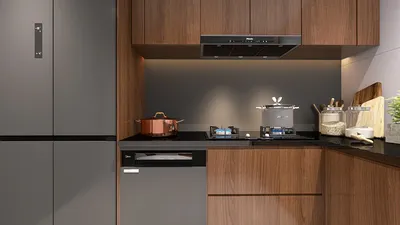


Over the years, I have designed and installed numerous high gloss kitchens, and the key to their appeal is successfully combining the perfect finish with lighting, ergonomics, and everyday maintenance. When executed properly, glossy cabinetry enhances light, creates an illusion of larger space, and offers a fresh, modern aesthetic that remains inviting and comfortable.
The allure of gloss is more than just a shiny surface; it involves how the sheen interacts with the lighting elements, workflow, and complementary materials. In kitchens with abundant light, controlling glare is critical, alongside achieving optimal reflectance. The WELL v2 Light guidelines provide benchmarks for visual comfort and circadian rhythms, including glare management and consistent illumination—essential factors when planning lighting layers for reflective surfaces, making tools like Homestyler invaluable to visualize these elements during design.
Managing lighting levels and beam direction is vital for surfaces with gloss. The Illuminating Engineering Society sets standards for residential task areas and outlines approaches for tuning luminance ratios to minimize glare discomfort (IES standards). When combined with the research-driven insights from the NKBA regarding kitchen workspace layout, you can harmonize the visual shine with practical cooking needs.
Finish Types: Options From Lacquer to High-Pressure Laminate
Clients frequently inquire about choosing between high-gloss lacquer, thermofoil, acrylic-faced boards, or high-pressure laminate (HPL). My recommendation is to evaluate durability, the ease of repairs, and the quality of edges.
Color Psychology and Reflective Balance
High gloss elevates the vibrancy and reflectivity of colors, which significantly influences both the atmosphere and the spatial perception of the kitchen. Cool whites and soft grays contribute to an illusion of spaciousness and a clean, polished look. Rich blues or deep greens enhance sophistication without being overpowering when paired with muted countertops. Studies indicate that colors like blue and green can foster calm and concentration, while reds can energize a space—use saturated colors judiciously on highly reflective surfaces (color psychology).
Light Strategy: Layered, Dimmable, Low-Glare
Glossy cabinets thrive under a well-planned layered lighting approach. I strive for three distinct lighting levels:
It's important to maintain gentle luminance ratios across various perspectives; narrow-beam downlights should not shine directly onto glossy surfaces. Dimming capabilities and warm-to-cool color tuning (around 2700–3500K for evening use, and 3500–4000K for daytime cooking) are essential for creating comfort and softening reflections visually.
Ergonomics and Daily Use
High gloss finishes should never sacrifice practicality. Features like handleless designs (J-pull, C-pull) can look sleek, but I evaluate grip comfort and finger space during actual use—especially when it comes to heavy drawers. Glossy surfaces tend to showcase fingerprints more prominently, particularly in darker shades; thus, it is advisable to incorporate pulls or subtle rails in frequently touched areas to keep upkeep manageable. Installing soft-close mechanisms can help mitigate impact, which may otherwise cause micro-crazing on fragile finishes over time.
Layout Matters: Sightlines and Reflection Control
Cabinet arrangement should be planned to limit direct reflections from windows or intense pendant lights along primary sightlines. Adjust pendant angles or select wider diffusers. If redesigning a galley or L-shaped kitchen, utilizing an interior layout planner can help you foresee reflections, traffic patterns, and ergonomic clearances. Incorporating a staggered design with glossy and matte surfaces can enhance visual appeal; place glossy tall cabinets on shorter walls, and position a matte island to face dining areas, preventing guests from being struck by glare as they eat.
Material Pairings: Matte Countertops and Textured Balance
Combine high gloss with matte or honed stone, quartz, or solid surfaces to counteract bright highlights. Adding timber accents such as fluted oak or rift-cut walnut contributes warmth and helps in noise reduction. Steer clear of highly-patterned, glossy countertops directly facing glossy cabinetry, as this can create visual chaos. Additionally, brushed metal hardware provides a quieter aesthetic against gloss than highly polished chrome, which can exacerbate glare.
Cleaning and Maintenance: Maintain the Shine, Erase Smudges
My cleaning routine is straightforward: all you need is a microfiber cloth, a pH-neutral cleaner, and distilled water for the final swipe. Refrain from using abrasive sponges or ammonia-based products on lacquer or acrylic. For minor swirl marks, a plastic polish or automotive finishing polish can restore sheen—always test it on a hidden edge first. Establish a maintenance schedule: a quick evening wipe of high-contact areas, a thorough weekly cleaning of lower cabinets, and a monthly check on hinge alignment can prevent misalignment scuffs.
Scratch and Heat Management
Gloss surfaces magnify every flaw. To guard corners during installation, utilize felt pads beneath stools and trays, and ensure oven clearances are maintained. For superficial scratches on lacquer, careful polishing with fine compounds can help blend imperfections. Acrylic panels may require dedicated acrylic polishing products. Thermofoil can be more sensitive—preventative measures are essential. It's best to keep heat sources like kettles and toasters at a distance from tall cabinet doors and place heating appliances on open countertops.
Acoustic Comfort in Reflective Kitchens
Hard, glossy surfaces can reflect sound. To mitigate this, add soft furnishings, upholstered stools, or acoustic panels behind seating areas to reduce echo. A textured backsplash or ribbed wood paneling can help diminish harsh reflections and enhance conversational comfort during active cooking times.
Sustainability and Longevity
Opt for low-VOC finishes, ask for E1/E0 formaldehyde-compliant core materials, and prioritize repairable systems. HPL featuring high recycled content and lacquers produced by environmentally responsible manufacturers reduces ecological footprints. Durable edges and robust hardware can extend product longevity; kitchens featuring cabinets that can be refinished or re-faced remain relevant through multiple updates.
2024–2025 Design Insights: Calm Luxe, Warm Minimal
Current projects are trending towards soft neutral high gloss options—such as porcelain white, clouds gray, and pale taupe—combined with warm woods, bronze hardware, and subtle lighting. Gloss is utilized as a means of enhancing light and clarity, rather than a statement of ostentation. Seamless integrated appliance panels with glossy finishes help maintain clean lines, while matte surfaces on islands offer tactile variety.
My Installation Checklist
FAQ
Typically, high-gloss surfaces will reflect 70–90% of light, producing a mirror-like effect. If you desire a gentler appearance, consider semi-gloss finishes (about 50–60%) to lessen glare while retaining ease of cleaning.
Indeed. By reflecting light and nearby surfaces, gloss can enhance the perception of depth. Implementing lighter colors and diffuse ambient lighting can optimize this effect.
It will, especially on darker finishes. Opt for integrated pulls or subtle rails in frequently touched areas and utilize microfiber cloths for cleaning to minimize smudges.
HPL often excels when it comes to resistance against scratches and impacts. Conversely, lacquer achieves a deep, consistent sheen and can be touched up for minor scratches with expert polishing techniques.
Employ a layered, dimmable lighting strategy with frosted lenses and avoid narrow-beam downlights aimed at cabinetry. Adhere to glare control standards and balanced illumination recommendations from sources like IES.
Maintain appropriate distances and thermal buffers. Thermofoil reacts poorly to heat, while HPL and lacquer cope better but still require careful clearances and ventilation.
Matte or honed stone/quartz counters offer contrast and help diminish visual noise. Textured wooden elements add warmth and enhance acoustic properties.
For lacquer finishes, a fine polishing compound can help disguise micro-scratches; for acrylics, use an acrylic-safe polish. Always conduct tests in hidden areas before applying all-over treatments.
Gloss typically cycles in and out of trend, but as a tool for enhancing light and clarity, it remains relevant. Pair it with warm materials and thoughtful lighting to ensure longevity.
Yes, hard glossy surfaces can indeed magnify sound reflections. Incorporating soft textiles, textured elements, or drapery can greatly improve acoustic comfort.
Transform your home with Homestyler, the ultimate online design platform! Enjoy a user-friendly design tool, stunning 3D renderings, and a wealth of inspiring DIY video tutorials. Whether you're a beginner or a pro, bring your creative vision to life effortlessly!
Design jetzt kostenlos
































