

Over the past ten years, I have designed many dining sets, and one of the most impactful additions is high back dining chairs. These chairs not only enhance comfort but also elevate the overall aesthetic of any dining area. Their elongated lines create a visual anchor in the room, promote proper posture during lengthy meals, and effectively enhance spaces with lower ceilings. Clients in residential projects often express that well-proportioned high backs encourage them to stay longer and feel more at ease.
The concept of comfort is not left to chance; it is quantifiable. According to WELL v2, crucial factors like posture and musculoskeletal support play a significant role in occupant comfort, underscoring the importance of supportive seating for extended periods (WELL v2, Movement & Comfort). Research from Steelcase on workplace and social engagement has shown that ergonomic support can greatly enhance focus and decrease fatigue during seated activities—principles that are equally applicable to dining experiences, where prolonged social interaction and meals greatly benefit from robust lumbar and shoulder support. My experiences confirm that enhanced back geometry keeps conversation lively around the dining table.
Understanding the Characteristics of High Back Chairs
In practical terms, a truly high back dining chair usually stands between 38 and 44 inches in height, with the back crest extending about 14-18 inches above the seat. For optimal comfort, I typically aim for a seat height of 18-19 inches to match standard dining tables, which are usually between 29 and 30 inches tall, and I recommend a back angle between 100 and 105 degrees for a comfortable yet upright posture. A gentle lumbar curve at the L3-L4 region can help prevent slouching throughout long meals.
Experiencing Performance Benefits
- Posture & endurance: Tall back designs assist in supporting the scapula area and help alleviate upper back fatigue. A graceful curve in the back rest supports the natural thoracic curvature, leading to less restlessness and more engagement in conversation.
- Visual flow: The vertical lines of high back chairs create a sense of architectural rhythm, which is particularly beneficial in areas with lower ceilings as they draw the eye upward, creating an illusion of more space.
- Acoustic comfort: Upholstered high backs provide sound absorption at the seating level, diminishing noise in dining rooms characterized by hard surfaces. Just partial upholstery can significantly reduce perceived sound levels, enhancing conversational clarity.
- Emotional resonance through color: Research on color psychology suggests that blues and greens promote calmness, while warmer tones can stimulate energy and appetite. This is why shades like terracotta, muted coral, and deep mustard are ideal for vibrant dining atmospheres. For more detailed color-emotion relationships, refer to Verywell Mind’s insights on color psychology.
Size, Proportion, and Human Factors
Achieving balance around the dining table requires careful consideration of scale. I usually recommend a seat width of 18-20 inches and 20-22 inches for armchairs positioned at the table's ends. Allow for at least 24 inches per diner for comfort, and 28 inches if you frequently use family-style serving. It is also essential to consider the push-in depth: high backs with ample lumbar support may stick out an additional 1–1.5 inches, so ensure sufficient space behind chairs for ease of movement.
Selecting Appropriate Materials
- Frame: Materials like solid ash, oak, or beech offer needed stability without adding excessive weight. For modern designs, powder-coated steel legs provide strong support for taller backs with a sleek look.
- Upholstery: I recommend performance fabrics with over 50,000 double rubs (Wyzenbeek) to withstand the rigors of daily dining. Quick-clean options like wipeable coated textiles or solution-dyed acrylics are excellent for spills. If sustainability is a priority, recycled polyester blends or EU Ecolabel-certified textiles are fantastic choices.
- Foam & filling: High-resilience (HR) foam weighing around 2.5–3.0 lb/ft³ provides lasting comfort. Incorporating a thin Dacron wrap can enhance breathability while maintaining softness around the edges.
Ergonomics You Can Feel Right Away
- Lumbar support: A 1–1.5 inch lumbar swell located about 6–8 inches above the seat works well for most adults.
- Seat pan design: A subtle waterfall front design eases pressure on the popliteal area, with a seat depth of 16.5–17.5 inches accommodating a variety of users. For shorter individuals, consider a depth of 16 inches with a shallower back pitch.
- Back flexibility: An excessively rigid back can create a formal atmosphere during conversation, while one that is too soft lacks support. I prefer a back panel that offers a gentle flex—whether constructed from wood or molded plywood—combined with medium-density foam.
Light, Colors, and the Dining Atmosphere
The height of chairs affects how light is perceived. High backs capture light gradients and shadow, which contributes to their visual drama. To prevent glare on shiny surfaces, aim for ambient lighting levels around 200–300 lux with warmer tones between 2700–3000K, employing dimmable fixtures positioned 30–36 inches above the dining table. IES dining guidelines advocate for a layered lighting approach—balancing both ambient and task lighting—to enhance comfort while showcasing textures.
Arranging for Space and Movement Around the Table
High back chairs carry more visual presence, making circulation considerations crucial. Ensure at least 36 inches of clearance behind chairs toward walls or credenzas for easy passage, and allow for 42–48 inches where food service or buffet setups are expected. Before finalizing layouts, I often utilize room design tools to test seating arrangements and movement patterns, particularly when using layout simulation programs that help visualize the distance and sight lines for both rectangular and round tables or to assess the use of armchairs at the ends.
Emerging Style Trends for 2024–2025
- Soft modern: Featuring slim wood frames paired with upholstered panels in textured materials like bouclé or chenille, with trending colors such as moss, oat, and oxblood.
- Tailored transitional: Emphasizing tapered legs and tight backs with top-stitch detailing, using performance blends of linen.
- Sculptural forms: Inclusive of winged or shield backs that gently wrap around the shoulders, providing privacy without isolating conversations.
- Mixed materials: Combining leather seating with wooden back supports or metal frameworks paired with wool-blend upholstery for contrast and resilience.
Acoustic and Social Wellbeing
In rooms with lively acoustics—characterized by stone floors, glass, and drywall—consider using partially upholstered backs or fabric panels on the inner side to reduce reverberations without making the chairs feel bulky. In open-concept homes, high back styles define the dining environment, creating a sociable boundary that lends a sense of purpose to meals.
Durability and Upkeep
- Stain resistance: Opt for Crypton-type finishes or silicone-coated fabrics that resist everyday spills. For leather, select protected versions (pigmented) that ensure lightfastness in bright areas.
- Frame evaluation: Frequent hosts should prioritize chairs with corner blocks and robust, through-bolted stretchers in wooden frames. For metal frames, checking for high-quality welds—ensuring smooth finishes under powder coats—is vital.
Budgeting for Value
Investing in high back chairs is essential as guests will notice these elements prominently. If the dining table serves as the centerpiece, choose simplified chair designs; conversely, if the table is understated, opt for sculpted, upholstered backs to enhance visual appeal. I often combine two armchairs with side chairs to balance both cost and style variety.
Practical Planning Tips
- Initial test: If possible, start by ordering a single chair to evaluate the lumbar support, seat depth, and fabric texture under actual lighting conditions.
- Considerations for sight lines: If the dining space faces a television or a scenic view, opting for slightly lower high backs (38–40 inches) may help maintain the sightline.
- Mixing with benches: If you prefer a bench along one side, complement it with high backs on the opposite side to frame the dining table without overwhelming the space.
Resources for Comfort and Design Studies
The principles of evidence-based design correlate with current standards set by WELL v2 regarding user comfort and posture support, alongside broader ergonomic research by Steelcase that examines seating comfort and social interaction dynamics. For insights into color-emotion relationships that refine upholstery choices, Verywell Mind’s exploration of color psychology offers practical, research-based guidance.
Common Questions
Q1: Are high back dining chairs a good choice for lengthy meals?
A1: Absolutely, particularly when designed with a back angle of around 100–105 degrees and a gentle lumbar contour. This combination effectively reduces fatigue and enhances guest comfort for extended stays—an aspect supported by the WELL v2 guidelines regarding posture.
Q2: What is the ideal chair height for standard dining tables?
A2: A seat height of 18–19 inches pairs nicely with tables measuring 29–30 inches in height. For high backs, a total height of 38–44 inches offers a commanding presence without obstructing sight lines.
Q3: How can I determine the number of chairs to fit around my table?
A3: Plan for 24 inches of width per person for comfort (28 inches for family-style serving). Don't forget to ensure at least 36 inches of clearance behind chairs for easy movement.
Q4: Do upholstered high backs aid in reducing noise?
A4: They do indeed. Even partial upholstery contributes to sound absorption at head height, diminishing ambient noise and improving clarity of conversations in rooms with hard finishes.
Q5: What are the best fabrics for easy maintenance?
A5: Performance textiles that withstand over 50,000 double rubs and have stain-resistant properties are excellent. Premium, protected leathers also lend themselves well to daily use, particularly in brightly lit areas.
Q6: What back shape fits most individuals?
A6: A mild lumbar curve located 6–8 inches above the seat, alongside a back angle of approximately 102 degrees, accommodates a broad range of users. For shorter individuals, a shallower seat depth may be beneficial.
Q7: Will high backs make a compact dining space seem cramped?
A7: Not necessarily, especially if you opt for sleek frames and lighter fabrics. In fact, the vertical emphasis can often visually enhance low ceilings and provide structure in smaller rooms.
Q8: Which is preferable for the ends of the table, armchairs or side chairs?
A8: Armchairs at the ends provide a sense of hierarchy and comfort. Ensure their arms are below the tabletop, allowing them to slide comfortably beneath the apron to save space.
Q9: What type of lighting is best for use with tall backs?
A9: A warm range between 2700–3000K, maintaining ambient levels of 200–300 lux, paired with dimmable pendants positioned 30–36 inches above the table to avoid glare while showcasing texture without harsh shadows.
Q10: How can I prevent wobbling in tall-back designs?
A10: Choose chairs that feature braced stretchers or robust corner blocks, ensuring the joinery is solid. Sturdier lower frames enhance stability in taller backs.
Q11: Are mixed-material chairs durable?
A11: Yes, provided that the connections are well engineered. Wood and metal hybrids should exhibit clean, strong transitions and uniform coatings without any gaps.
Q12: Is it feasible to pair high backs with a bench on one side?
A12: Definitely. Positioning the high backs opposite the bench will help frame the table while maintaining visual balance, contributing to a dynamic and flexible layout.

Solid Wood Hand Shaped Novelty Accent Chair 3D Model

Modern Minimalist Oak White Plastic Dining Chair 3D Model
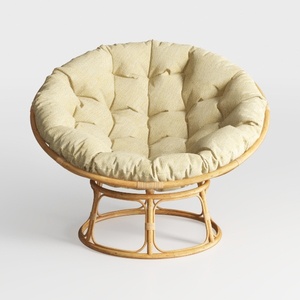
Rattan Fabric Papasan Lounge Chair 3D Model
Homestyler is your go-to platform for all things home design! With its user-friendly online design tool, stunning 3D renderings, and a wealth of DIY video tutorials, you can effortlessly create and visualize your dream spaces. Transform your home design journey today!
Diseño ahora GRATIS
































