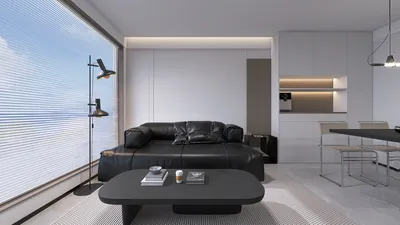


A hidden bookcase door can drastically transform a room's ambiance. When executed correctly, it not only provides additional storage and privacy but also adds an element of surprise without disrupting your daily activities. In my experience, effective concealment hinges on the right proportions, weight distribution, and precise detailing, ensuring the bookcase is perceived as an integral architectural element rather than just a novelty item. Integrating this design concept can be efficiently enhanced with tools like Homestyler for visualization purposes.
This aspect goes beyond mere aesthetics; performance must be prioritized. According to the IES, general ambient lighting levels of 300–500 lux are recommended for reading areas to mitigate eye strain. Therefore, ensure your hidden door is placed in a well-illuminated environment, allowing for a natural browsing experience. Research by Herman Miller suggests that comfortable human reach spans 20-26 inches, guiding your decisions on shelf depth and swing clearance, making everyday usage convenient (source: hermanmiller.com/research). Well-certified spaces emphasize glare control and uniform illuminance for visual comfort, which is crucial given that books and finishes may create reflective highlights (source: wellcertified.com).
Planning the Concept
Start with a clear purpose: is the hidden entrance leading to a closet, a home office, or even a private retreat? The flow of movement and space adjacency are essential considerations. I recommend maintaining a minimum clear passage of 36 inches from the approach and 48 inches behind the swing for easy navigation. Consider using a room layout tool to experiment with furniture arrangements and the flow of traffic before actual construction, as it can simulate the pivot arcs and sightlines you’ll need for a bookcase-like structure that fits into the overall wall pattern, possibly aided by Homestyler.
Choosing the Mechanism: Hinged vs. Pivot vs. Sliding
Each of these mechanisms presents unique spatial and structural considerations:
Ideal for lighter bookcase configurations and narrower doors. For a standard 1-3/4" thick door leaf, limit shelf depth to 8-10 inches to effectively manage torque. At least three heavy-duty concealed hinges should be spaced evenly; dry-fit to ensure the door operates smoothly under load.
Best suited for heavier bookcases with deeper shelving. An offset pivot may reduce the clear opening but helps in distributing weight across the floor and the header. Utilize a stainless or brass pivot designed for the total load (with books averaging 1.5-5 lbs each, a 30-inch-wide, 72-inch-tall case can quickly exceed 200 lbs).
Ideal for spaces with limited swing clearance. A recessed track with flush stile detailing can conceal the panel's seam; ensure a stable bottom guide to prevent racking. Although sliding mechanisms lack the intrigue of a secret swing, they are beneficial in compact areas.
Structural Considerations
Most conventional studs may struggle to support a fully loaded, cantilevered door. Reinforcement of the jamb with doubled studs and a sturdy header is crucial, especially in pivot systems. I prefer a cavity of 2x6 with plywood backing to affix hinge plates securely. Check the floor's load capacity—solid wood or concrete performs better under point loads compared to floating laminate surfaces. If using a pivot, it’s important to request a load-bearing floor plate and confirm the thickness of the subfloor.
Proportion, Rhythm, and Visual Camouflage
The most effective secret doors seamlessly blend into the surrounding wall rhythm. Align shelf spacing with nearby millwork and ensure the stiles and rails correspond to the room trim. I recommend a subtle reveal shadow line (1/16-1/8 inch) around the perimeter to prevent binding, while also ensuring it appears as an architectural feature. Use asymmetric shelf rhythms to disguise hinge locations cleverly, aligning the case with ceiling lines and baseboards while extending the baseboard across the door edge to create a sense of continuity.
Material Selection and Finish Strategy
Solid hardwood frames (such as white oak, maple, and walnut) are preferable for supporting fastener loads better than MDF alone. For the panels, a hardwood veneer on furniture-grade plywood will keep the weight down while ensuring a quality finish. For environmentally-conscious projects, opt for FSC-certified wood and low-VOC finishes. Matte or satin finishes minimize glare and can help conceal seams, while high-gloss options tend to highlight imperfections.
Hardware and Weight Management
Select hardware based on the total loaded weight rather than the empty case weight. Employ concealed magnetic latches or touch-latch mechanisms instead of visible pulls. To enhance smooth operation, the weight should be distributed—placing heavier books near the hinge side and lighter decorative items towards the latch side. A soft-close damper on pivot systems can safeguard the trim from damage.
Safe Clearances and Human Factors
Practical usage is essential. Maintain a net clear opening of 34–36 inches for easy entry. If children are present in the home, implement a slowing mechanism to prevent finger pinching at the hinge area. Position frequently accessed books between 30–50 inches above the floor, ensuring they are within reach. Verify that lighting meets the 300–500 lux requirement, and place fixtures carefully to avoid glare on glossy book covers.
Acoustic Control
Effective concealment is enhanced through sound management. Incorporate perimeter gaskets and opt for a solid core construction to minimize sound transmission. A felt or rubber sweep at the threshold can limit light leaks while also increasing acoustic privacy. Within the hidden space, soft elements such as rugs, upholstered panels, and curtains can absorb sound reflections, effectively reducing noise.
Locking and Access Strategy
The allure of hidden doors tends to spark curiosity. If security is a concern, install a mortise lock concealed behind a book-spine pull or a push-to-open magnetic catch that is paired with a discreet release, such as an under-shelf button or trim-based access. It's advisable to avoid smart locks that require visible keypads to maintain a clean and uniform appearance.
Lighting Integration
Incorporating layered lighting enhances the experience. Recessed micro downlights positioned above shelves, coupled with a concealed linear LED in the header and a subtle toe-kick illumination, facilitate browsing while enhancing the illusion. Maintain a color temperature of around 2700–3000K for a warm, residential feel. Dimmable drivers will allow brightness adjustments; connect them to a hidden contact switch that activates the lights upon the door’s movement.
Color Psychology and Mood
Warm woods and muted color schemes create a welcoming atmosphere while minimizing visual contrast that may expose seams. For a more dramatic effect, opt for deep navy or charcoal tones that blend into shadow, while a soft moss green can facilitate a transition to a reading nook environment. Consistency in color across adjacent millwork will reinforce visual continuity.
Step-by-Step Build Outline
1) Measure and reinforce: confirm rough openings and add doubled studs with plywood backing.
2) Build the case: construct a solid wood frame with a plywood carcass, adjustable shelves, and a hidden back panel.
3) Install hardware: set hinge or pivot plates, ensuring they fit plumb and square.
4) Align trim: extend baseboard and crown molding, ensuring a uniform micro-reveal.
5) Finish and paint: sand, seal, and apply a low-VOC finish, color-matching to adjacent millwork.
6) Balance load: position heavier items near the hinge, lighter decor towards the free edge.
7) Integrate lighting: install concealed LEDs, ensuring a color range of 2700–3000K while verifying the 300–500 lux requirement at the shelf front.
8) Conduct a final test: inspect swing, clearances, latch operation, and the acoustic gasket seal.
Common Pitfalls to Avoid
- Excessively deep shelves which contribute to torque and sag.
- Visible gaps that undermine the illusion.
- Neglecting to reinforce the floor load and subfloor.
- Glossy finishes that amplify seams and surface flaws.
- Insufficient lighting resulting in glare or shadowed areas.
Design Variations
- Narrow hallway case: slim 8-inch shelves with concealed hinges and a strong shadow line.
- Library wall: full-height pivot system with a symmetrical grid and integrated ladder rail.
- Modern flush panel: slab veneer, sliding track design, with no applied trim for a minimalist look.
Maintenance and Longevity
Regularly inspect hinge screws, readjust shelves as necessary, and refresh perimeter gaskets. Wood does expand and contract; a micro-reveal will help prevent binding during humidity fluctuations. Keep touch-up finishes available for edges and corners.
Tips 1: Detailing That Sells the Secret
Ensure that the crown profiles, baseboard heights, and paint finishes are consistent across the door and fixed millwork. Use uniform shelf spacing and mimic decorative details to avoid signaling a disruption in the wall's flow.
Tips 2: Test With Mockups
Prior to finalizing your design, create a mockup of the door swing using a plywood blank cut to size. This method is a quick way to identify conflicts with rugs, side tables, or ceiling lights. Utilizing a room simulation tool like Homestyler can also help visualize your intended layout and clearances.
FAQ
What is the ideal shelf depth for a hidden door?
For a hinged bookcase door, a shelf depth of around 8-10 inches is ideal to control weight and torque. If employing a pivot, systems can accommodate 10-12 inches if the hardware is rated to handle the load.
How much clearance do I need?
Aim for a 36-inch approach pathway and a net clear opening of 34-36 inches. Ensure at least 48 inches of space behind the swing for comfortable navigation and safe operation.
Can I use MDF?
MDF may work for panels but should not be used for structural frames. Opt for solid wood for stiles and rails, while using furniture-grade plywood for the carcass; MDF is better suited as a veneer or painted surface.
Which hinges are best?
Heavy-duty concealed hinges are suitable for lighter configurations; for heavier and deeper shelves, floor-to-ceiling offset pivots are more effective. Always specify hardware according to the total load it must support.
How do I control noise and light leaks?
Install perimeter gaskets, a threshold sweep, and consider solid core constructions. Applying matte finishes and aligning trims carefully will help minimize visible leakage.
What lighting should I use?
Ensure your lighting provides 300-500 lux at the shelf fronts, with warm tones around 2700–3000K, and use dimmable drivers. Position light fixtures strategically to prevent glare from glossy book covers.
Is a lock necessary?
Not always. For privacy, concealed magnetic latches are sufficient, while a mortise lock with a discreet release mechanism can be used for security while keeping the face clean.
How do I keep the illusion consistent?
Match trim profiles, paint finishes, and shelf rhythms with those of adjacent millwork. Avoid visible pulls; instead, consider using touch-latch or concealed mechanisms.
What about floor strength?
Always assess subfloor thickness and materials. Solid wood and concrete substrates can handle point loads effectively; floating laminates may require reinforcement beneath pivot plates.
Can I retrofit an existing bookcase?
Yes, if the wall can accommodate reinforcement and the bookcase can be reconfigured for hinges or a pivot mechanism. Oftentimes, it’s simpler to build a new case tailored to load requirements and clearances using tools like Homestyler.
Looking to transform your space? Homestyler is your go-to online home design platform! With its user-friendly design tool, stunning 3D renderings, and a wealth of inspiring design projects and video tutorials, you can effortlessly bring your vision to life. Start your design journey today!
立即免费设计
































