

Determining the appropriate wattage is crucial for creating a comfortable room, preventing energy waste and cold spots. I evaluate heaters based on the room’s volume, insulation level, and intended use, while also ensuring comfort metrics—such as temperature, air circulation, and noise levels—so that the heating experience is integrated smoothly into daily routines.
Practical advice is invaluable for making informed decisions. Studies from Steelcase reveal a strong connection between thermal comfort and enhanced performance, highlighting how variations in temperature and cold drafts can disrupt concentration. According to WELL v2, establishing thermal comfort ranges and allowing for localized control improves satisfaction and minimizes feedback (WELL v2 Thermal Comfort). These insights serve as reminders that selecting wattage extends beyond calculations; it involves understanding user behavior, control factors, and maintaining consistency.
For preliminary sizing, I typically consider 10–12 watts per square foot for well-insulated areas and 12–15 watts per square foot for spaces with average insulation. In rooms lacking insulation or featuring high ceilings, I recommend 15–20 watts per square foot to be on the safe side. For instance, a living room measuring 180 sq ft with average insulation often requires between 2,200–2,700 watts to maintain comfort in colder climates. If the room has large north-facing windows or frequently opens to the outdoors, I suggest increasing capacity by 15–25% to account for heat losses and recovery time.
Assess Your Space and Insulation First
I begin by examining the room’s envelope. Features like double-glazed windows, effective weatherstripping, and insulated walls can substantially lower the wattage required. Conversely, spaces with single-pane glass, unsealed crevices, or exposed concrete flooring will need more energy to reach the desired temperature. High ceilings add volume, which may increase wattage requirements by 5–10% for each additional foot unless there’s a ceiling fan on low speed to redistribute warm air. In open layouts, I create zoning strategies to avoid overheating areas that aren’t being used, while reducing cycling frequency.
Translate Area to Wattage
Consider these wattage ranges as foundational guidelines:
Further adjustments can be made based on occupancy and habits: if you're hosting gatherings with doors that frequently open to the patio, you’ll want to raise capacity; however, if the room is primarily used during the day with ample passive solar gain, you can opt for a lower wattage.
Match Heater Type to Use
Convectors ensure consistent heating in living spaces. Radiant panels or infrared heaters are ideal for localized warmth—such as in home offices, reading corners, or restrooms—as they directly heat surfaces and occupants. Oil-filled radiators offer gentle, quiet warmth and possess longer thermal inertia, reducing noise from cycling. While fan-forced heaters provide quick warmth, they can increase ambient noise; I mitigate this by using lower fan speeds and balancing the heat with a radiant heating source. Moreover, integrating a precise thermostat is essential; as noted by WELL v2, having control over your environment significantly influences comfort perception, making a programmable or smart thermostat an integral part of the wattage calculation as it governs effective heating delivery.
Lighting and Acoustic Considerations
Comfort encompasses multiple sensory experiences. I ensure low glare and warm color temperatures (ranging from 2700 to 3000K) in heated areas to boost perceived warmth—a strategy supported by research from VerywellMind, demonstrating that warm colors enhance comfort levels. Fan-operated heaters can contribute to noise; therefore, I maintain sound levels below 40–45 dBA in work or reading zones to avoid fatigue, as highlighted by Steelcase research linking noise to decreased productivity.
Placement, Layout, and Airflow
The placement of a heater significantly influences its effective wattage. It’s advisable to avoid hiding heaters behind furniture or thick curtains; radiant heaters require a clear line of sight while convectors need unobstructed airways. For rooms with large windows, positioning a convector beneath the windowsill can help mitigate downdrafts. In irregularly shaped rooms filled with furniture, I utilize an interior layout planning tool to assess thermal pathways before selecting a heating unit, ensuring adequate warm air flows to occupied areas.
room layout tool
Ceiling Height, Stratification, and Fans
In rooms with a ceiling height exceeding 9 ft, warm air tends to accumulate at the ceiling level. A low-speed ceiling fan positioned in winter mode (reverse) can gently circulate the warm air downwards, enabling a heater rated at 1,800–2,000 watts to perform as if it’s of higher wattage without extra energy consumption. It’s important to keep air movement under 0.2–0.3 m/s in areas dedicated to reading or working; excessive drafts can make the space feel cooler than it is.
Safety, Materials, and Sizing Reserves
Select heaters equipped with safety features like tip-over protection, overheat cutoffs, and cool-to-the-touch surfaces, especially in environments where textiles are present. In smaller rooms, I prefer wall-mounted convectors, which not only maximize floor space but also minimize the risk of tripping hazards. If using radiant panels near wood surfaces, it’s crucial to confirm appropriate clearances to prevent heat-related damage. I like to build in a safety margin of 10–15% for swift recovery after doors are opened or when damp clothes are hung for drying.
Thermostats, Zoning, and Controls
Employing smart thermostats along with zoned heating schedules helps to avoid the frequent mistake of oversizing heaters for immediate warmth. A properly sized heater equipped with smart technology can ramp up to provide comfort without overly high spikes. The WELL v2 guidelines supporting individualized control align with the concept that the ability to make localized adjustments and personalized schedules significantly enhances satisfaction, often more than merely increasing wattage.
Energy Efficiency and Sustainability
Seek out heaters with eco-friendly adaptive settings and occupancy sensors. Pairing heaters with weatherproofing measures like door sweeps and window films can considerably reduce the base load. Material selection is equally significant: placing thick rugs on hard floors made of concrete or tile reduces heat loss and boosts comfort. I regularly evaluate seasonal usage patterns—if a room is unoccupied in the morning hours, I prefer setback temperatures to optimize energy savings instead of increasing heating capacity.
Quick Reference Wattage Guide
These wattage figures serve as starting points; always adjust based on the quality of the building envelope, ceiling height, door frequency, and how quickly you want the space to warm up.
References I Rely On
Insights into thermal comfort and workplace efficiency come from Steelcase Research, while recommendations on thermal comfort and manageability are sourced from WELL v2 Thermal Comfort.
FAQ
To estimate wattage, multiply your room’s square footage by the appropriate watts per square foot: utilize 10–12 W/ft² for well-insulated spaces, 12–15 W/ft² for average, and 15–20 W/ft² for poorly insulated or areas with elevated ceilings. Adjust upward by 15–25% if there are extensive single-glazed windows or frequent entryways.
Enhance performance by adding around 5–10% to the wattage or incorporate a ceiling fan operating in reverse to move warm air downward. This method of gentle recirculation prevents capacity wastage, making appropriately sized heaters feel more effective.
Utilize radiant panels to minimize drafts and sound, making them perfect for focused work settings. In larger spaces, consider coupling a modest convector for baseline warmth with radiant heaters aiming at the primary work area.
While increasing wattage doesn’t alter physical demands, it significantly enhances delivery. Implementing preheating prior to occupancy and avoiding temperature spikes allows a properly sized heater to achieve desired comfort standards more quickly without the need for larger units.
Improved insulation directly decreases the necessary wattage and operating time. Sealing openings, applying window film, and insulating floors can dramatically lessen heat loss; consequently, a heater rated at 2,000 watts might act similarly to a 2,500-watt unit in a poorly sealed room after improvements are made to the envelope.
Aim for noise levels below 40–45 dBA in workspace and reading areas to safeguard concentration. Opt for oil-filled radiators or radiant panels for quieter operations, setting fans to low speeds.
Although it is feasible, zoning configurations usually yield better results. Strategically positioning two smaller units can temper hot spots and enhance air recovery near doors or windows.
Utilizing warm color temperatures (2700–3000K) and earthy color schemes fosters a greater sense of warmth. Individuals report feeling more comfortable in environments with warmer hues, even without rising the actual temperature.
Prioritize heaters with safety features such as tip-over switches, overheat protection, cool-touch surfaces, and proper clearance from combustible materials. Wall-mounting units can reduce trip hazards, ideal for families.
Maintaining a small reserve of around 10–15% is a wise choice. Oversizing beyond that can result in short cycling, inconsistent temperatures, and elevated noise levels. It’s wiser to use programmable preheat settings for expedited comfort.
Absolutely. Infrared panels or heating lamps deliver immediate, targeted warmth, minimizing the reliance on high wattage for entire spaces. Ensure that electrical ratings and moisture safety standards are adhered to.
For effective air flow, add 15–25% to wattage or place a convector near the source to balance downdrafts. Quick fixes like weatherstripping and door sweeps yield notable improvements in thermal comfort and energy efficiency.
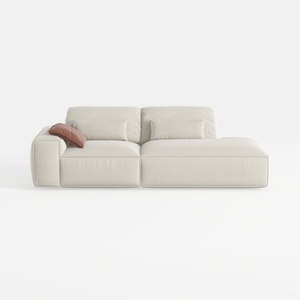
Minimalist Beige Fabric L-shaped Chaise Sofa 3D Model


Minimalist Black Stone Coffee Table Unique Irregular Shape 3D Model
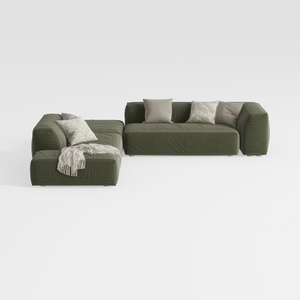
Minimalist Modern Fabric L Shaped Sectional Sofa with Throw Pillows 3D Model
Homestyler is your go-to online platform for effortless home design. With its user-friendly design tool, stunning 3D renderings, and a wealth of inspiring design projects and DIY video tutorials, you can effortlessly transform your living space into a masterpiece. Start designing today!
Design Now for FREE
































